

There is a version of Mexico City that is breathtaking, affordable, and life-changing.
Then there is the version that charges you $18 for a taco because you are standing 40 feet from a famous cathedral.
Americans over 50 are a favorite target. Hustlers assume you have a retirement account, a kind heart, and a tendency to trust a friendly smile.
Two out of three of those things are great qualities. In a tourist trap, all three will cost you.
1. The Zocalo Terrace Restaurants
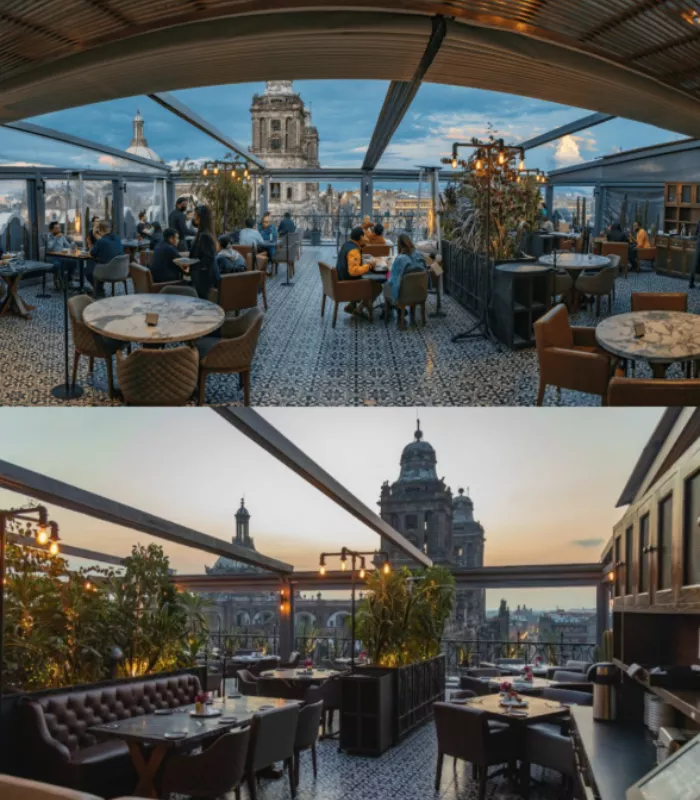
The rooftop restaurants ringing the Zocalo look tempting. The view of the Metropolitan Cathedral is stunning.
But here’s the catch: the food is often overpriced and disappointing. Menus shown outside may not reflect what you actually pay.
Workers stand outside and actively wave tourists in. That is your first red flag.
Locals rarely eat at these spots. They know better places just a short walk away.
The portions are often small and the service can be slow. You are essentially paying for the view, not the meal.
Why It’s On This List: Tourists regularly report paying 2 to 3 times more than locals for mediocre meals. You’re better off eating one block away at a local spot with no view but real food and honest prices.
2. The Chocolate Museum (Museo del Chocolate)
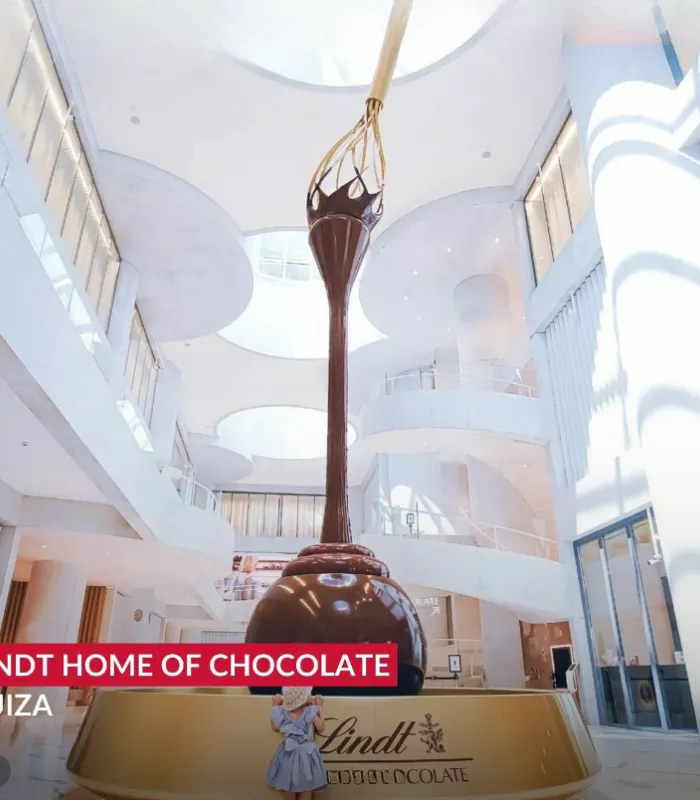
The name sounds like a dream. The reality is far less sweet.
Inside, it is mostly signs on the walls explaining the history of cacao. There is very little to taste or do.
The entry fee is not worth it for what you get.
Most visitors are done in under 20 minutes and leave feeling underwhelmed.
There are no interactive exhibits and very few samples. For a museum named after chocolate, that is a serious problem.
Why It’s On This List: Visitors expecting a Willy Wonka experience leave feeling let down. Save your money and buy artisan chocolate from a local market instead.
3. Overpriced Taxis From the Airport
Mexico City’s Benito Juarez Airport is one of the busiest in Latin America, welcoming over 40 million passengers a year.
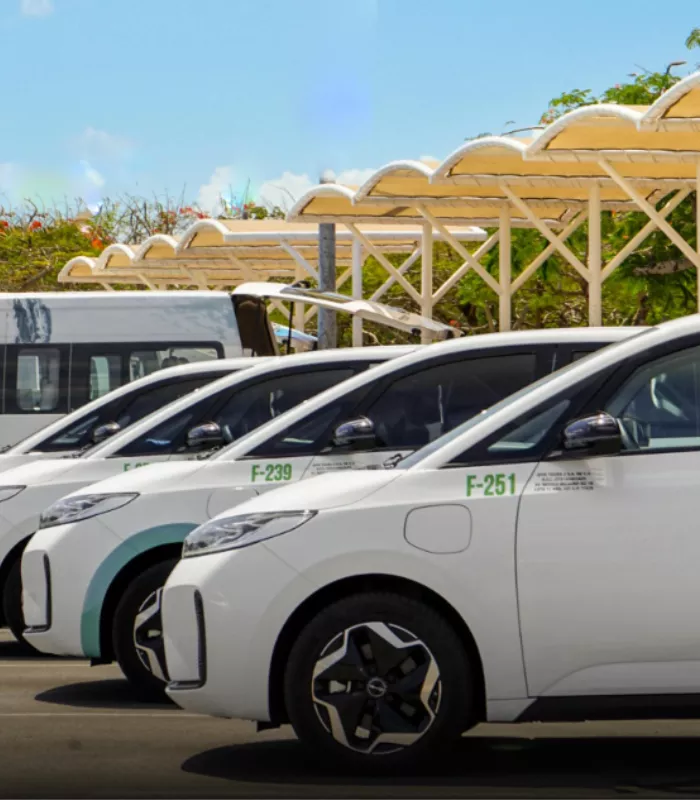
Unofficial taxi drivers near the exits often charge Americans two to three times the going rate. Some use rigged meters.
That is why you should only book from the official authorized taxi booths inside the terminal before you exit.
The difference in price can be staggering. Some tourists have paid $50 or more for a ride that should cost under $15.
Being tired and jet-lagged after a long flight makes you especially vulnerable. Scammers know exactly when to approach.
Why It’s On This List: This is one of the most common and costly mistakes American tourists make on day one of their trip. Book a ride-share app like Uber instead for a transparent flat fare.
4. Xochimilco’s Crowded Main Piers
The floating gardens of Xochimilco are a UNESCO World Heritage site. That sounds impressive, and it can be.
But the main piers like Nativitas are extremely crowded, loud, and heavily commercialized. The canals there are dirty.
Vendors on boats sell overpriced food and drinks, and the experience feels more like a noisy floating carnival than a cultural gem.
On weekends, the main piers can feel completely out of control. Hundreds of boats crowd the same narrow canals.
Many visitors leave early feeling exhausted and overcharged rather than relaxed and inspired.
Why It’s On This List: You’re better off heading to the quieter Embarcadero Cuemanco pier. It is far less touristy and still gives you the real floating-garden experience.
5. Plaza Garibaldi Mariachi Shows
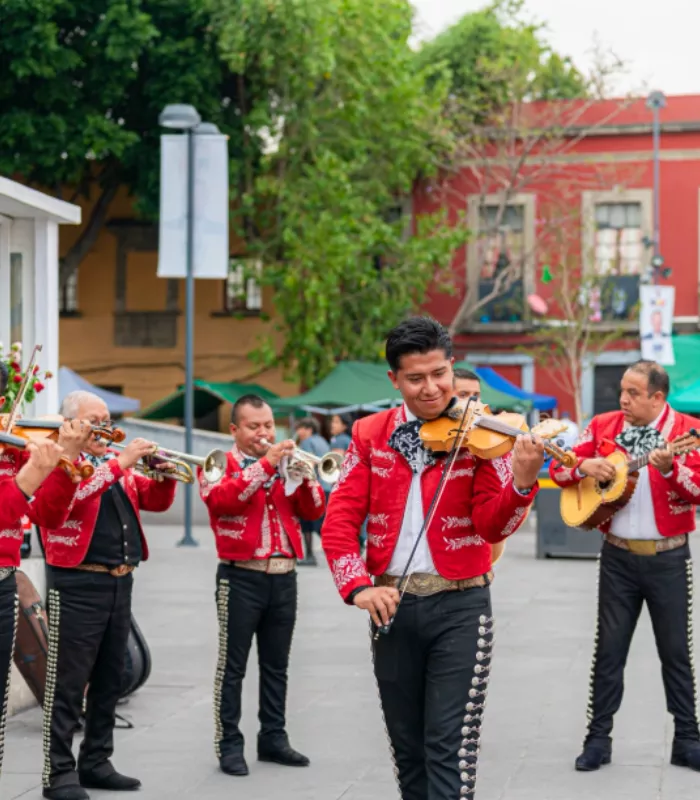
Mariachi music is a true part of Mexican culture. Plaza Garibaldi is where it started, and that history is real.
But today the plaza is surrounded by hustlers, aggressive vendors, and people looking to overcharge tourists for photos and performances.
The surrounding streets at night can feel unsafe, especially for older travelers going solo.
Mariachi groups here regularly approach tourists without being asked and then demand payment for an unrequested song.
It can feel overwhelming rather than enjoyable, especially if you are not prepared for the high-pressure atmosphere.
Why It’s On This List: Mariachi groups here regularly charge foreigners far more than locals. If you love mariachi, ask your hotel to recommend a dinner show instead where pricing is clear upfront.
6. Fake “Artisan” Souvenirs at Tourist Markets
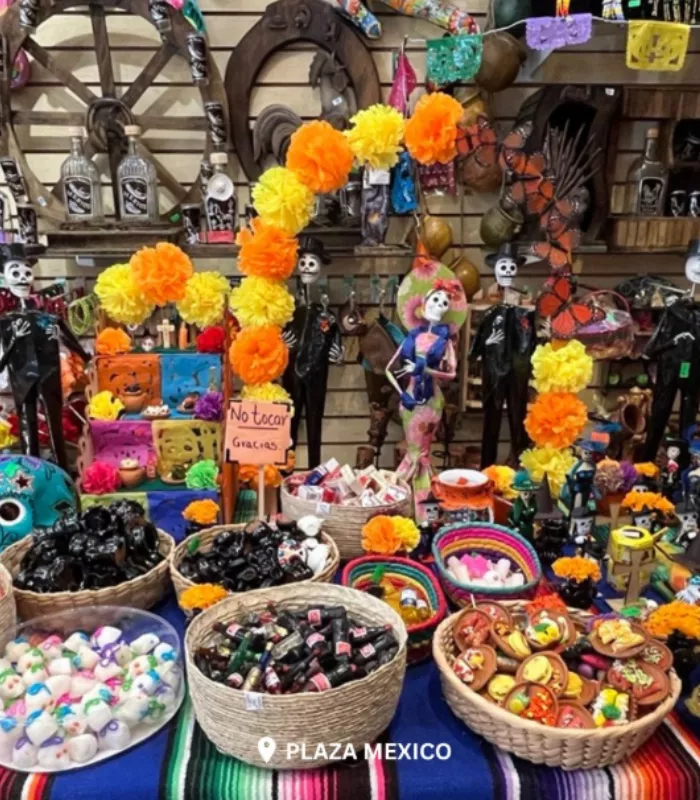
Souvenir stalls near popular sites sell items labeled as handmade or traditional. Many are mass-produced in factories.
I made a classic mistake buying what looked like a hand-painted pottery bowl, only to find the same item in three other stalls at half the price.
Prices near major tourist attractions can be three to five times higher than at local neighborhood markets.
The quality is often poor. Items that look beautiful in the stall can chip, crack, or fade within weeks of getting home.
Vendors near the big sites count on the fact that you will not walk two extra blocks to compare prices.
Why It’s On This List: True artisan crafts exist in Mexico City, but you will find them at places like Mercado de Artesanias La Ciudadela, where quality is higher and prices are fairer.
7. Street ATMs in Tourist Zones
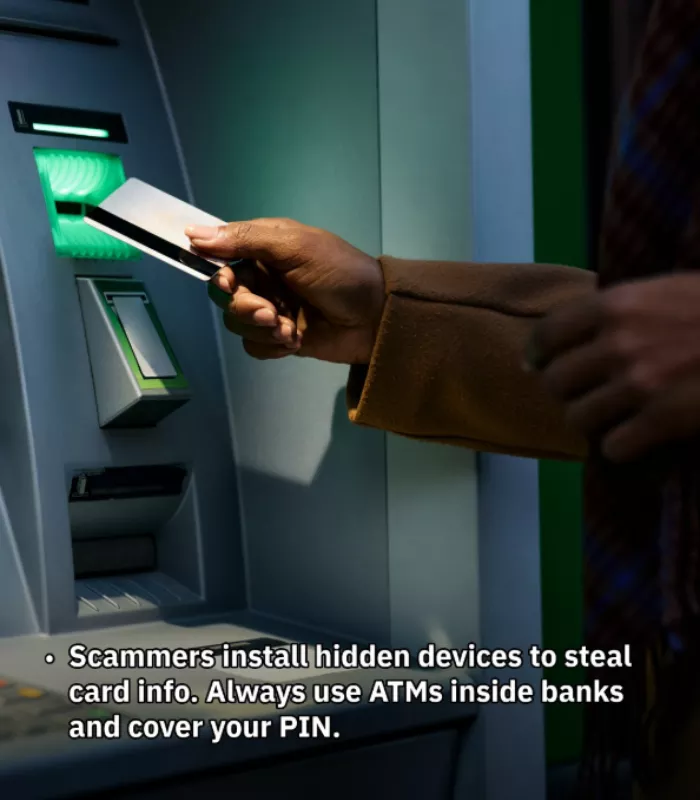
ATMs are everywhere in the tourist areas of Mexico City. Not all of them are safe.
Skimming devices on ATM machines in busy tourist zones like the Centro Historico have been widely reported. Your card data can be stolen in seconds.
Fees on standalone street ATMs can also be shockingly high for American cardholders.
Some standalone machines charge a flat fee of $5 to $8 per transaction on top of whatever your home bank charges.
A few withdrawals can quietly add up to $30 or more in fees before you even notice the pattern.
Why It’s On This List: Always use ATMs inside bank branches during business hours. Banks like HSBC, Banamex, and Santander are safer choices and more closely monitored.
8. Timeshare Presentation Hustlers
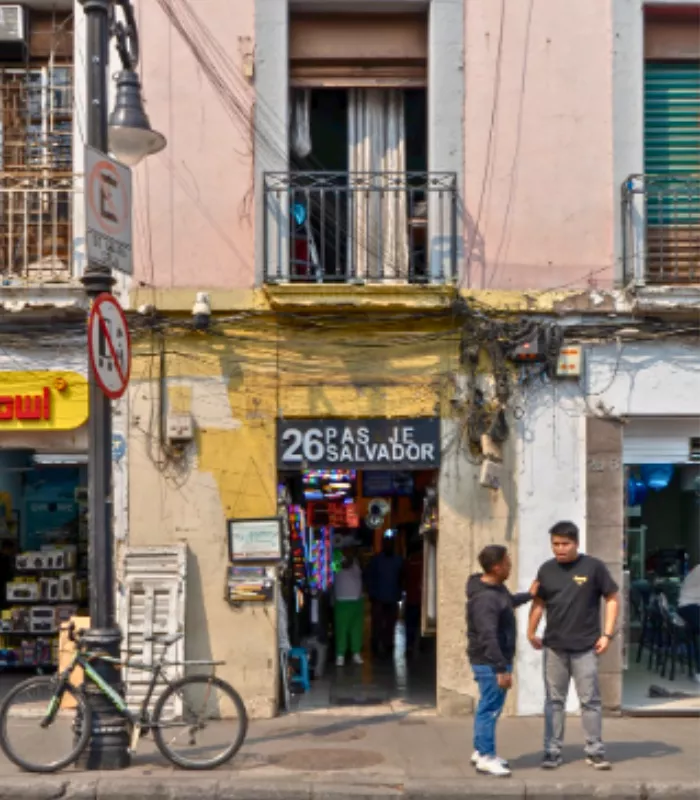
You might be approached by a friendly person offering free tours, breakfast, or discount tickets. It sounds too good to be true.
It is. These are often setups for high-pressure timeshare presentations that can last two to four hours.
Americans over 50 are a specific target because hustlers assume you have retirement savings to spend.
The presentations are designed to wear you down emotionally. Sales tactics include fake urgency, flattery, and limited-time offers that never actually expire.
Some tourists have reported signing contracts they did not fully understand and spending months trying to cancel them afterward.
Why It’s On This List: The words “free gift” and “special deal” are your signal to walk away. Book all tours through your hotel or a verified online travel platform before you arrive.
9. Fake Police Officers Asking for Bribes
Some tourists in Mexico City have been approached by people posing as plainclothes police officers.
They may demand to see your passport or wallet, claiming you violated a local rule. Once they have your items, the pressure for a “fine” begins.
Real police officers in Mexico City generally do not stop tourists randomly on the street and demand cash.
These encounters are designed to feel official and intimidating. The goal is to make you panic and pay quickly.
Staying calm and firm is your best defense. Scammers rely entirely on fear to make this work.
Why It’s On This List: If approached, stay calm and ask to go to the nearest official police station. Scammers almost always back off when you say that.
10. The Mercado Centro Terraza Trick
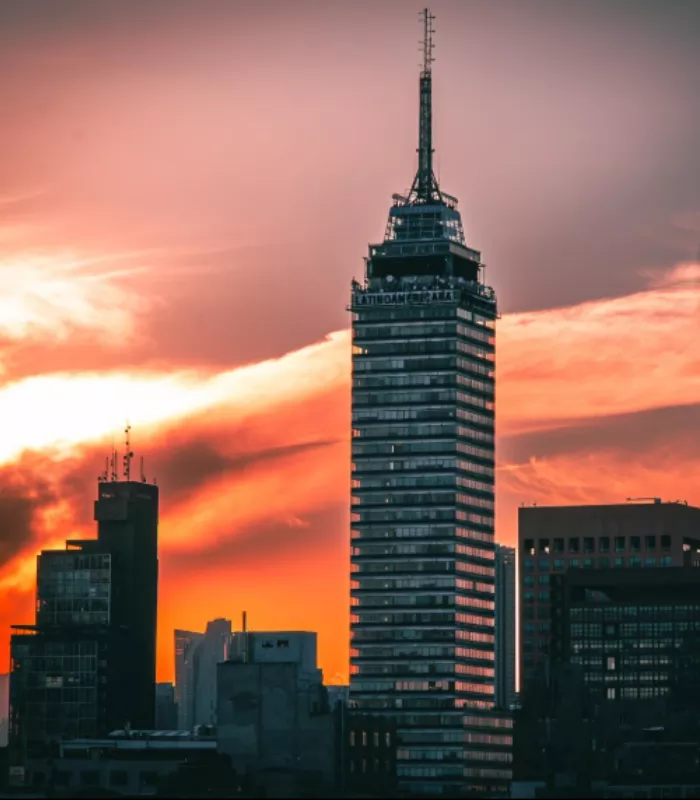
Near the historic center, restaurant workers call out to tourists from the street, promising beautiful views of the Cathedral and the Zocalo.
Once you are seated upstairs, the menus often do not show prices clearly. The final bill can be a shock.
One family reported paying the equivalent of over $100 for a simple lunch for three people, with no warning of the costs beforehand.
The staff can be friendly and attentive right up until the bill arrives. That is part of how the trick works.
By the time you realize the prices are unreasonable, you have already eaten and feel pressured to pay without making a scene.
Why It’s On This List: Always ask for a menu with prices before you sit down. If prices are not listed, that is your sign to keep walking.
11. Fake Tour Guides at Teotihuacan Pyramids
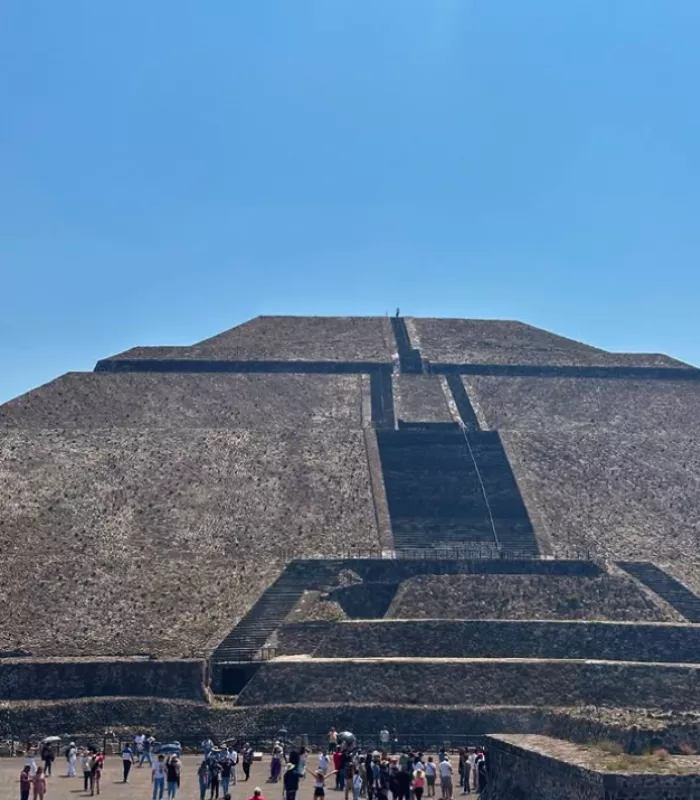
The Pyramids of Teotihuacan are one of the most visited sites in all of Mexico. Over 4 million people visit each year.
Unlicensed “guides” approach tourists near the entrance and offer tours for a price. They often give inaccurate information and then demand extra payment at the end.
Some will also lead you to overpriced souvenir shops where they earn a secret commission.
The pyramid site is large and can feel confusing without a map. These guides take full advantage of that uncertainty.
Many visitors feel too uncomfortable to refuse once the “tour” has already begun and the demand for more money arrives.
Why It’s On This List: Always book a certified guide through the official site or a reputable tour company before you arrive. The pyramids are stunning on their own. You do not need a pushy stranger as your guide.
12. The Fake Doll Island Tour

La Isla de las Munecas (Island of the Dolls) is one of the most talked-about spots near Mexico City. It is strange, eerie, and genuinely fascinating.
But here’s the deal: some tour operators promise to take you there, collect your money, and then bring you to a nearby fake replica instead. Visiting the real island requires a special permit, which cheap operators skip to save money.
You end up paying full price for a completely different experience.
The replica sites are set up specifically to fool tourists who do not know what the real island looks like.
By the time most visitors realize something is off, they are already back on the boat heading home.
Why It’s On This List: Always verify with your tour operator that they hold the proper permit before booking. Read recent reviews on a trusted platform and look specifically for complaints about the wrong location.
13. Frida Kahlo Museum Ticket Scalpers
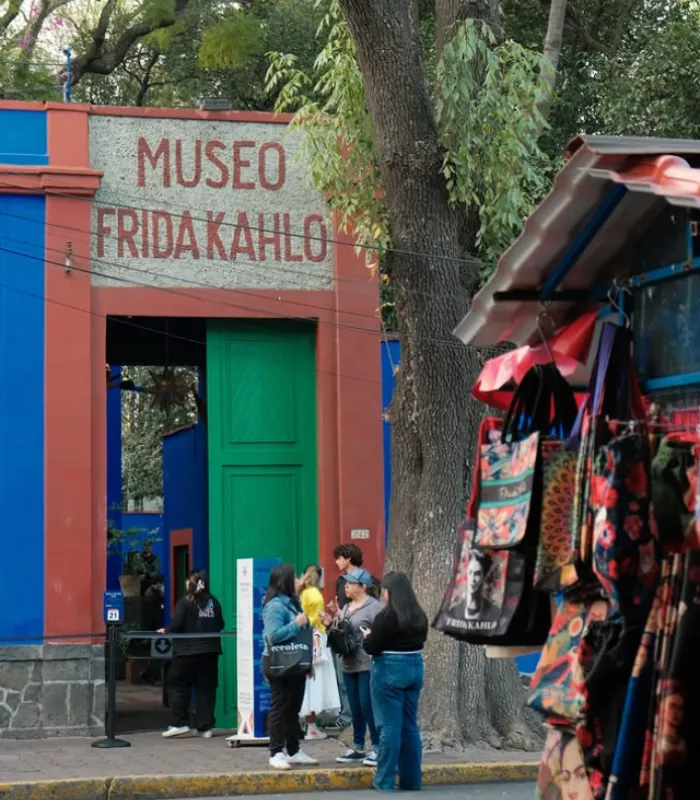
The Frida Kahlo Museum, known as La Casa Azul (The Blue House), is one of the most beloved museums in Mexico City. Tickets sell out fast.
When official tickets run out, scalpers on platforms like Viator resell the same tickets for two to three times the original price. Some listings look official but are not.
The museum itself charges very reasonable prices. Paying triple for the same ticket is a pure tourist trap.
The confusion between official and third-party listings online makes it easy to accidentally overpay without realizing it.
Even experienced travelers have been caught out by listings that look legitimate but carry massive markups buried in the fine print.
Why It’s On This List: Book directly on the official Frida Kahlo Museum website as early as possible. That’s why planning ahead saves you real money and frustration on this one.
14. The “Bird Poop” or Mustard Distraction Scam
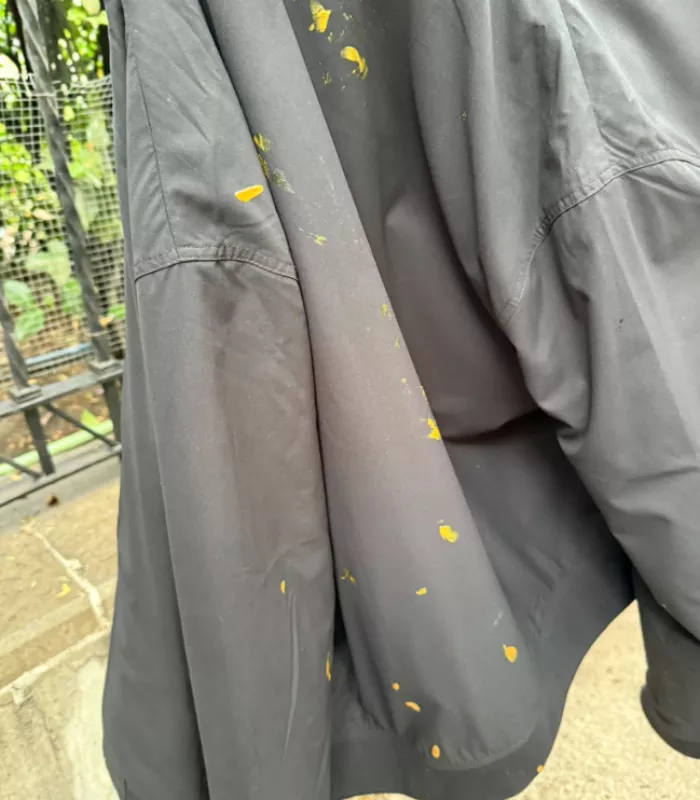
You are walking through a crowded area when something suddenly lands on your jacket or bag. A kind stranger quickly offers to help clean it off.
While they distract you, an accomplice picks your pocket. This scam is common near the Zocalo, the historic center, and near popular museum entrances.
The “mess” is usually mustard, ketchup, or water sprayed on purpose from a few steps ahead.
The whole operation takes less than 60 seconds. By the time you realize what happened, the team has already disappeared into the crowd.
Phones, wallets, and passports are the most common items stolen this way. Losing any one of them can ruin an entire trip.
Why It’s On This List: If this happens, decline all help and walk directly into the nearest shop or restaurant to clean up yourself. Keep your bag in front of you and your phone in your front pocket at all times in busy areas.
15. Surprise Charges at Shoe Shine Stands
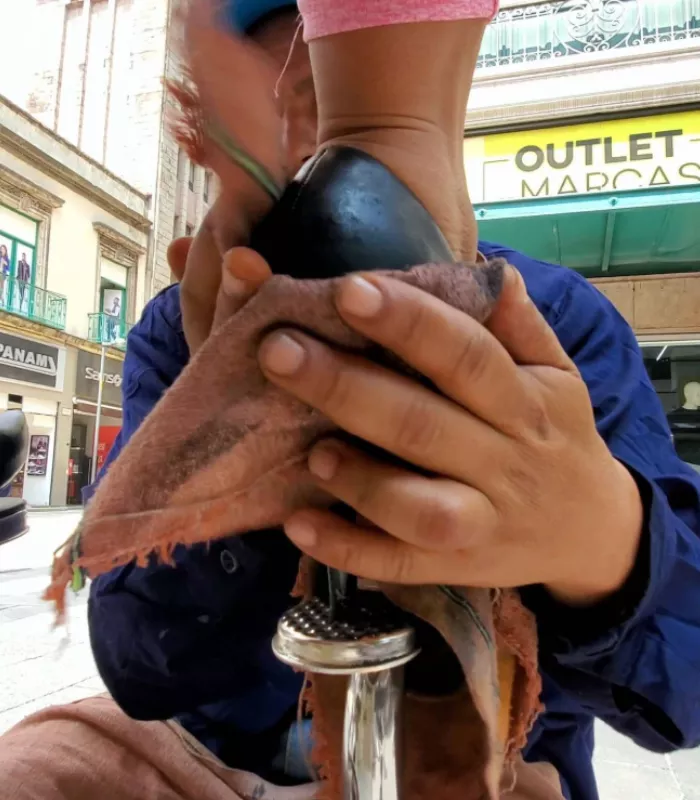
Shoe shine workers near tourist zones often approach visitors and offer a shine for a small fee. It sounds like a harmless local experience.
Once the job is done, extra charges appear. They claim they used a special waterproofing treatment or a premium product without asking you first.
One traveler reported agreeing to a 50-peso shine and being handed a 500-peso bill at the end.
The added “services” are never mentioned upfront. They are invented after the fact to inflate the final price.
Arguing back can feel uncomfortable in a foreign country, which is exactly what these vendors are counting on.
Why It’s On This List: Always agree on the exact final price before any service begins. If a price suddenly jumps after the service, you are being scammed. Knowing this ahead of time gives you the confidence to say no.