

Europe has been selling the same retirement dream since roughly the invention of the beret.
Cobblestone streets. Cheap wine. A slower pace of life.
Sounds perfect until you check the rent prices.
Or try to find a doctor who speaks English.
Or realize your “charming village” gets invaded by 4,000 tourists every Tuesday in July.
Some of Europe’s most talked-about destinations are better on a postcard than on a lease agreement.
1. Lisbon, Portugal
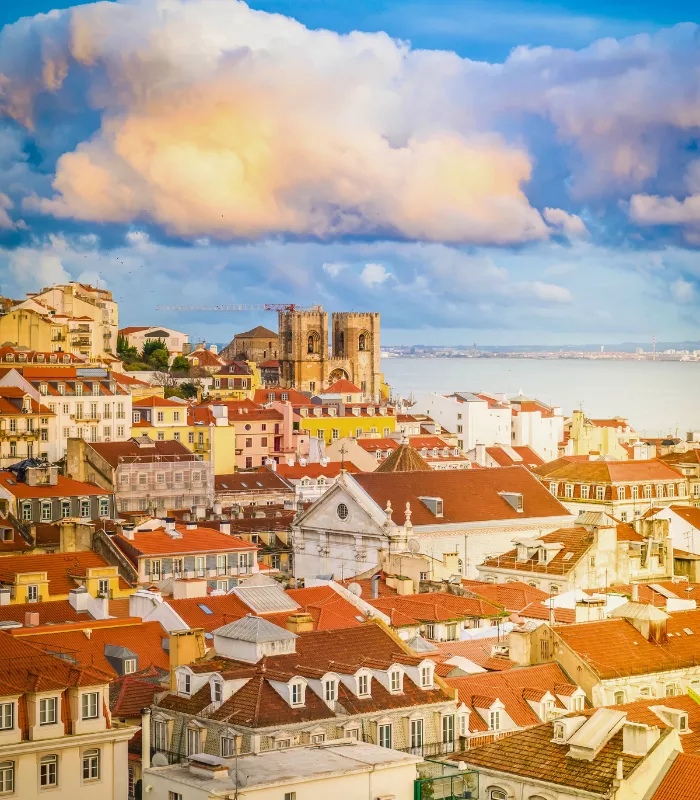
Lisbon is everywhere on retirement lists. And yes, it is beautiful.
But here’s the catch: it is not the affordable hidden gem it used to be.
Rents have jumped over 60% in the past five years. The average expat now pays over $1,500/month for a one-bedroom in the city center. That surprises a lot of people who packed their bags expecting budget living.
The city has seen a massive influx of digital nomads and retirees from wealthier countries.
That demand has pushed locals out of their own neighborhoods.
Grocery prices, restaurant bills, and utility costs have all climbed steadily.
Public transportation is decent, but the hilly terrain can be tough on the knees.
Summers are hot. Crowds are thick. Tourist numbers keep breaking records.
Healthcare is generally good, but wait times in the public system can be long.
Learning Portuguese is harder than most people expect going in.
The bureaucracy for residency visas has also become more complex in recent years.
Noise from busy streets and tourist foot traffic is a daily reality in most central neighborhoods.
Short-term rental platforms have eaten up a large portion of the available housing stock.
Parking is a genuine nightmare in most parts of the city, which matters if you rely on a car.
Why It’s On This List: Lisbon’s reputation for being cheap is outdated. Prices have caught up with Western Europe, but the crowds and cost-of-living warnings have not caught up with the travel blogs promoting it.
2. Barcelona, Spain
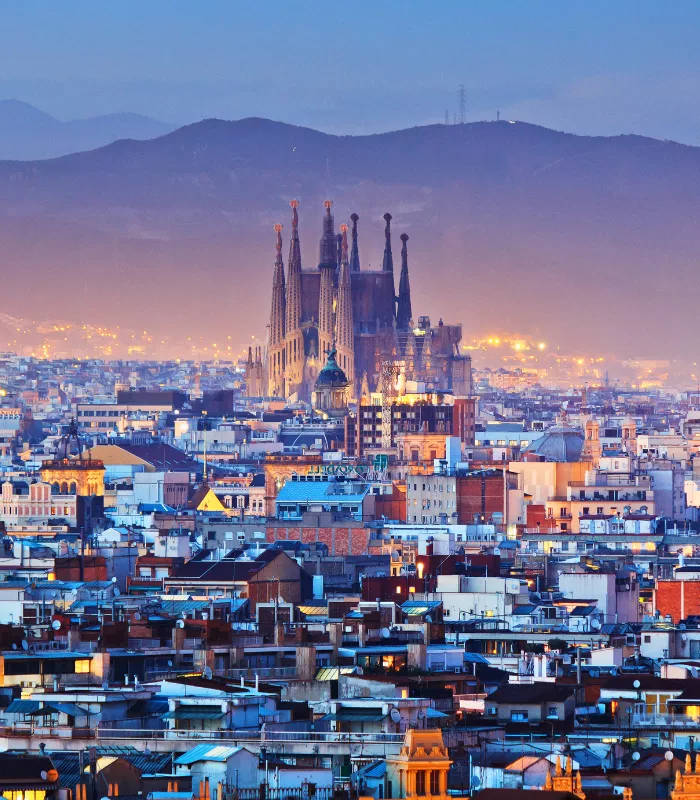
Barcelona is stunning. The food, the architecture, the weather.
But it is also one of the most tourist-saturated cities in Europe.
Over 32 million tourists visit Barcelona every year. That is more than six times its actual population. Long-term residents deal with noise, crowded public spaces, and rising rents year-round.
The city has been grappling with an overtourism crisis for years now.
Locals have protested against the flood of short-term rentals driving up housing costs.
Finding a long-term apartment as a foreign retiree is genuinely competitive.
Pickpocketing remains one of the most commonly reported issues among new expats.
The regional politics between Catalonia and the rest of Spain can add an unexpected layer of tension.
Spanish bureaucracy is notoriously slow, and residency paperwork can take many months.
The city’s noise level, especially near popular areas, rarely lets up.
Smaller Spanish cities offer a similar climate and culture at a fraction of the stress.
Air pollution from heavy traffic is a genuine quality-of-life concern in the city center.
The cost of dining out regularly, one of Barcelona’s great draws, adds up fast on a fixed income.
Beach areas that look peaceful in photos are packed shoulder to shoulder from June through September.
You’re better off looking at smaller Spanish cities if peace and quiet matter to you.
Why It’s On This List: The lifestyle sold in retirement brochures looks nothing like the reality of living next to a packed tourist district 365 days a year.
3. Tuscany, Italy
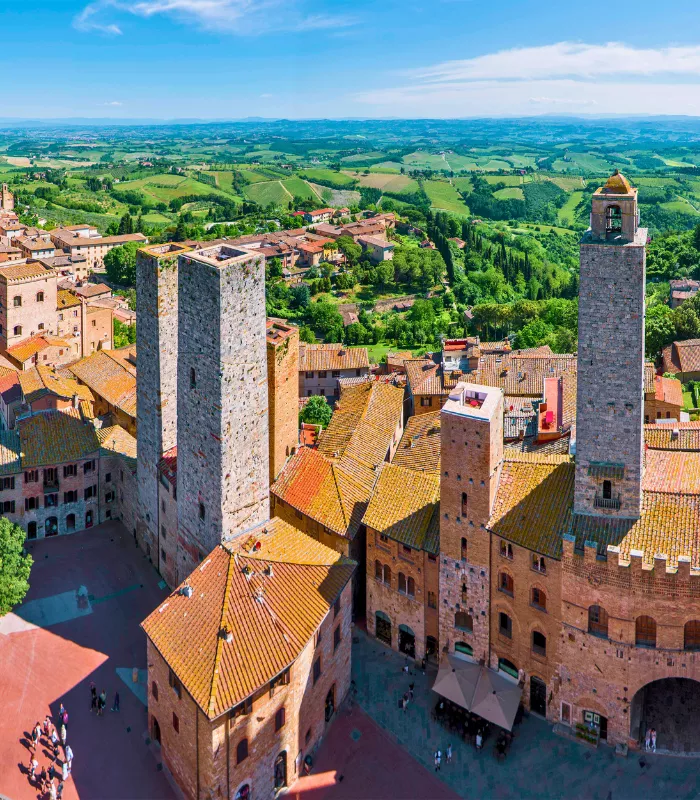
Tuscany has been romanticized in dozens of movies and books.
The rolling hills are real. So are the challenges.
Rural Tuscany has limited public transportation. Many villages have poor access to English-speaking healthcare. If you do not drive or do not speak Italian, daily life can get isolating fast.
Renovating an old farmhouse, which many retirees dream about, often costs far more than expected.
Italian building regulations are complex and vary by region.
Winters in rural Tuscany can be cold, damp, and surprisingly lonely.
The nearest major hospital may be a 45-minute drive away on winding roads.
English is not widely spoken in small villages, which adds a daily communication barrier.
Making local friends takes time, as small Italian communities can be slow to open up to outsiders.
Online connectivity in rural areas is still inconsistent in many parts of the region.
The charm is absolutely real, but so is the isolation that comes with it.
Property taxes, maintenance costs, and utility bills on older rural homes can be surprisingly high.
Many retirees underestimate how much they will rely on a car for every single errand.
Italian inheritance and property laws can be complicated for foreign buyers and their families.
Seasonal flooding and road closures in hilly areas can cut off some villages for days at a time.
Why It’s On This List: The dream of a Tuscan farmhouse glosses over the very real practical hurdles of rural Italian living, especially for retirees who may need reliable medical care nearby.
4. Paris, France
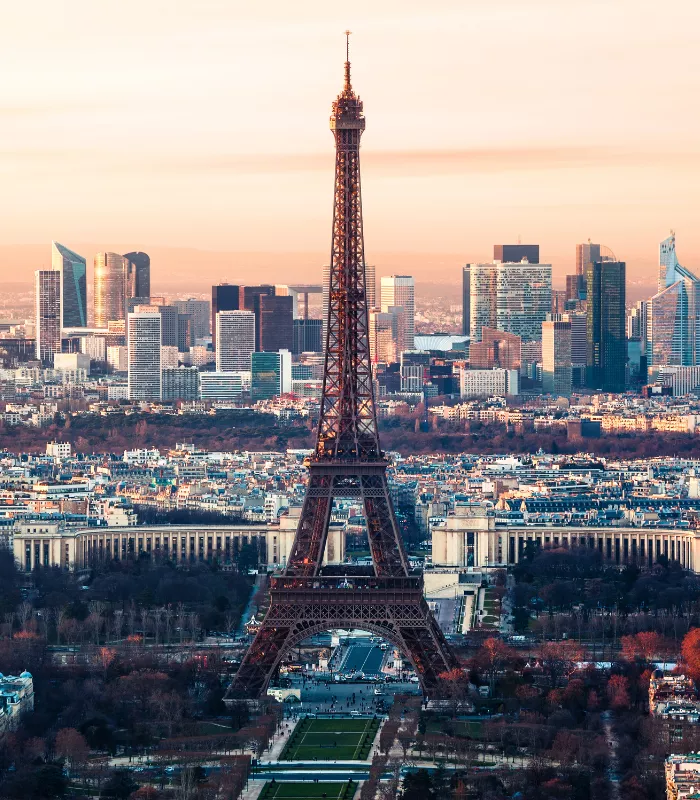
Paris is one of the most visited cities on earth.
It is also one of the most expensive places to retire in Europe.
A one-bedroom apartment in central Paris averages over $2,200 per month. Add in the cost of food, healthcare, and the famously complex French bureaucracy, and the City of Light can feel more stressful than serene.
The French visa and residency process is widely considered one of the most paperwork-heavy in Europe.
Speaking French is not just helpful in Paris. It is essentially required for daily life.
The Metro is efficient but can feel overwhelming and physically demanding for older travelers.
Air quality in central Paris is a legitimate concern, especially in the summer months.
Parisians have a reputation for being reserved with strangers, which can make building a social life slow.
Dining out regularly, one of the great joys of Paris, adds up very quickly on a fixed income.
Many older buildings lack elevators, which becomes a real issue as mobility changes over time.
That’s why most long-term expats quietly move to smaller French towns instead.
Heating costs in older Parisian apartments during winter can be shockingly high.
The sheer size and pace of the city can wear on people who moved there seeking a quieter chapter of life.
Street noise, construction, and traffic are near-constant in most desirable arrondissements.
Health insurance top-ups, known as mutuelle, are an added monthly cost that catches many newcomers off guard.
Why It’s On This List: Paris is a wonderful place to visit. But the day-to-day cost and urban hustle make it a tough fit for retirees seeking a slower, more relaxed pace of life.
5. Dubrovnik, Croatia
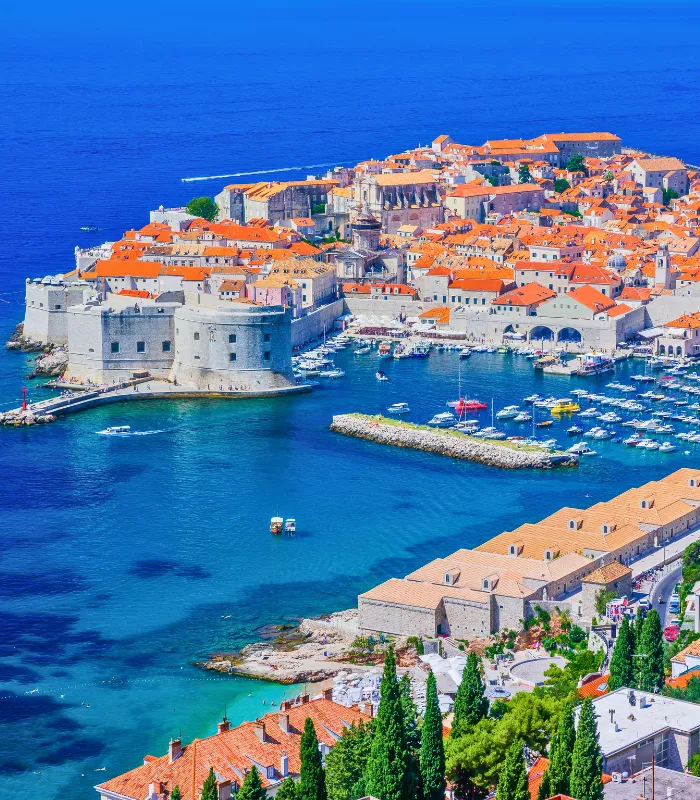
Dubrovnik looks like a postcard. Old stone walls, blue water, warm summers.
But here’s the deal: the tourism pressure here is extreme.
Dubrovnik has placed limits on cruise ships because overcrowding has become a real problem. During peak season, the old town fills with thousands of visitors daily. For retirees hoping for a quiet coastal lifestyle, this can be overwhelming.
Housing inside the old city walls is extremely limited and very expensive.
Most locals who work in Dubrovnik actually live outside the tourist core entirely.
The stone streets are beautiful but genuinely difficult to walk on, especially in the heat.
Summers regularly see temperatures above 35 degrees Celsius with high humidity.
Outside of the tourist season, many restaurants and shops simply close down.
Healthcare facilities in Dubrovnik are limited compared to larger Croatian cities like Zagreb or Split.
Getting around without a car is difficult once you venture beyond the old town area.
The off-season quiet is peaceful, but it also means fewer services and a smaller expat community.
Flight connections to Dubrovnik are mostly seasonal, which complicates travel planning year-round.
The cost of groceries and everyday goods is noticeably higher here than in other parts of Croatia.
Traffic in and out of the city during the summer months can turn a short drive into a long ordeal.
The expat community, while friendly, is small and heavily skewed toward younger seasonal workers rather than retirees.
Why It’s On This List: Living in a UNESCO World Heritage tourist hotspot means sharing your neighborhood with massive crowds for much of the year, which is the opposite of what most retirees are looking for.
6. Amsterdam, Netherlands
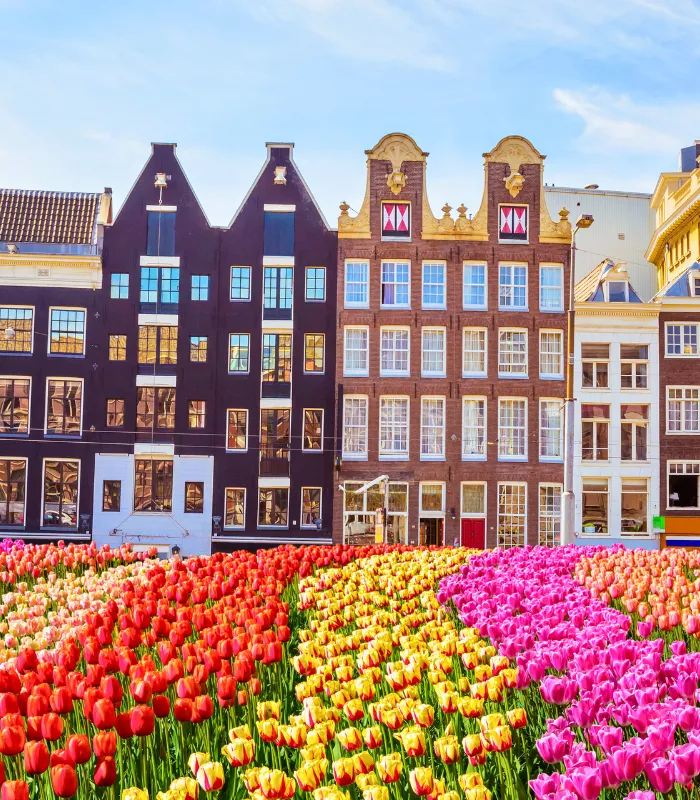
Amsterdam has a lot going for it. Great healthcare, English widely spoken, excellent public transit.
But the cost of living is steep.
Amsterdam consistently ranks among the top 10 most expensive cities in Europe. Housing is especially tight. The city has a well-known housing shortage, and finding a rental as a new expat is genuinely difficult.
The Dutch housing waiting list system can take years for locals, let alone newcomers.
Cycling is the primary mode of transport, which is charming until the weather turns cold and wet.
Amsterdam winters are grey, rainy, and long, which catches many sun-seeking retirees off guard.
The city is also very flat and canal-heavy, which means flooding risks in some areas.
Grocery costs, dining out, and general services are all priced at a Western European premium.
The city attracts a very young, fast-paced crowd, which can feel at odds with a retirement lifestyle.
Noise from tourism, nightlife, and festivals is a year-round reality in central neighborhoods.
I made a classic mistake of assuming “great quality of life” always means “affordable quality of life.” Amsterdam teaches you otherwise.
Income and wealth taxes in the Netherlands are high, which can affect retirees drawing from foreign pensions.
The rental market moves so fast that many expats report losing apartments within hours of inquiring.
Damp weather year-round can aggravate joint pain and respiratory conditions, which is worth considering seriously.
Social integration can be harder than expected, as Dutch social circles tend to be tight-knit and slow to expand.
Why It’s On This List: Amsterdam offers a high standard of living, but the price tag and housing competition make it a tough landing spot for retirees on a fixed income.
7. Santorini, Greece
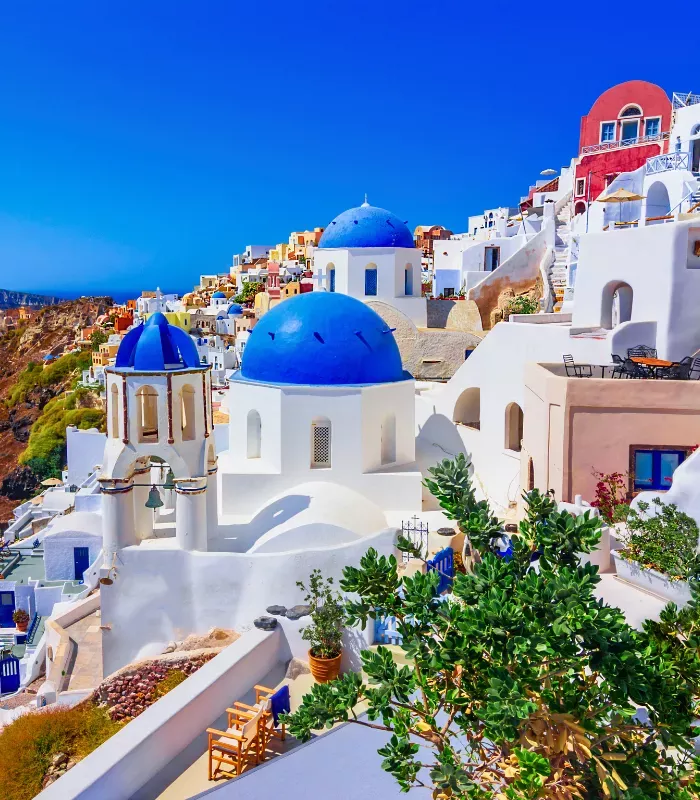
Santorini photos fill every retirement dream board online.
White buildings. Blue domes. Sunsets over the caldera.
But living there full-time is a very different story. The island relies almost entirely on tourism, which means prices are inflated and many services shut down in the off-season. Healthcare facilities are limited, and getting to the mainland for medical needs requires a ferry or flight.
The island has no public hospital. Serious medical situations require evacuation to Athens.
Fresh water is scarce on Santorini and is largely imported, adding to the cost of living.
The volcanic terrain means very few flat walking areas, which is hard on joints over time.
Off-season population drops dramatically, leaving the island feeling empty and disconnected.
Supermarket prices are noticeably higher than on the Greek mainland due to shipping costs.
The internet and utility infrastructure lag behind what most retirees coming from larger cities are used to.
Building a real social community is difficult when most of your neighbors are seasonal workers.
You’re better off settling in Athens or on the mainland if you want the Greek lifestyle with practical day-to-day convenience.
Strong winds are a near-constant feature of island life, which surprises many first-time long-term residents.
Property prices on Santorini have risen sharply, making ownership increasingly out of reach for many retirees.
The island’s narrow roads and steep cliffs make driving stressful, especially for those unfamiliar with the terrain.
Entertainment and cultural options outside of tourist season are extremely limited for year-round residents.
Why It’s On This List: Santorini is built for short visits, not long-term living. The infrastructure, healthcare access, and off-season isolation make it a challenging permanent home for retirees.