

Travelers who have worked hard for their money deserve to know which islands actually deliver.
They have also, statistically, taken enough bad vacations to know better.
And yet the same islands keep collecting the same dollars year after year.
Travel agents love them. Airlines love them. Your wallet does not.
Knowing which islands to skip is just as valuable as knowing where to go.
1. Nassau, Bahamas — Cruise Ship Crowds at Premium Prices
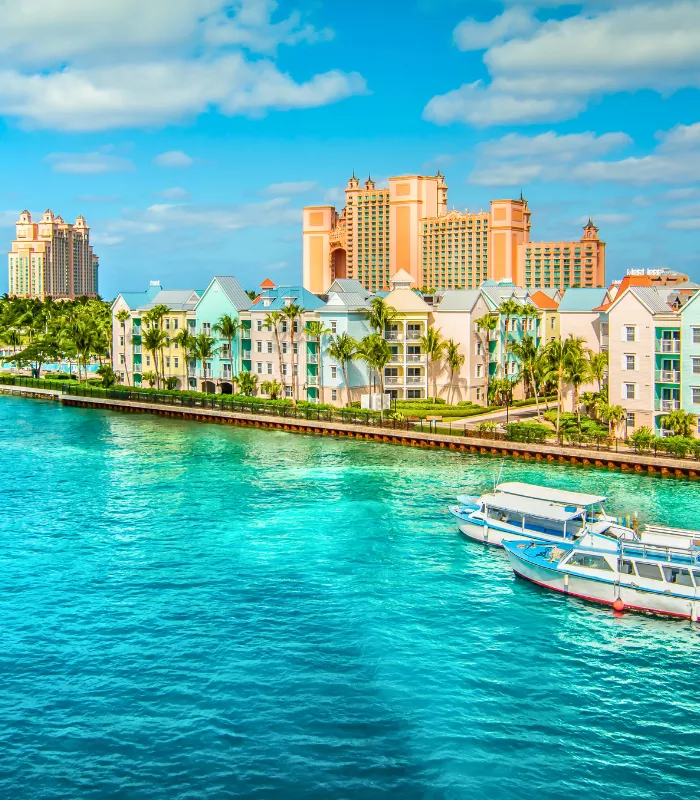
Nassau is one of the most visited spots in the Caribbean.
Most of what you see is built for cruise ship crowds.
The beaches near the port are packed. The shops sell the same souvenirs you find everywhere.
A hotel room here can cost $400 or more per night during peak season.
The most famous beach, Cable Beach, sits right next to a massive casino resort complex.
It is beautiful, yes. But it is also loud, busy, and lined with vendors.
Paradise Island, home to the Atlantis resort, charges theme park prices for what is essentially a glorified water park attached to a hotel.
Many travelers find the noise and the hustle exhausting rather than relaxing.
The traffic in downtown Nassau during cruise ship days is genuinely painful.
Taxis are expensive, and many drivers add unofficial surcharges that catch first-time visitors off guard.
| Detail | What to Know |
|---|---|
| Peak season room rate | $400+ per night |
| Main beach | Cable Beach — adjacent to casino resort complex |
| Cruise ship impact | Port area beaches packed on ship days |
| Better alternative | Eleuthera — quieter, more affordable |
2. St. Thomas, U.S. Virgin Islands — No Passport Required, But No Elbow Room Either
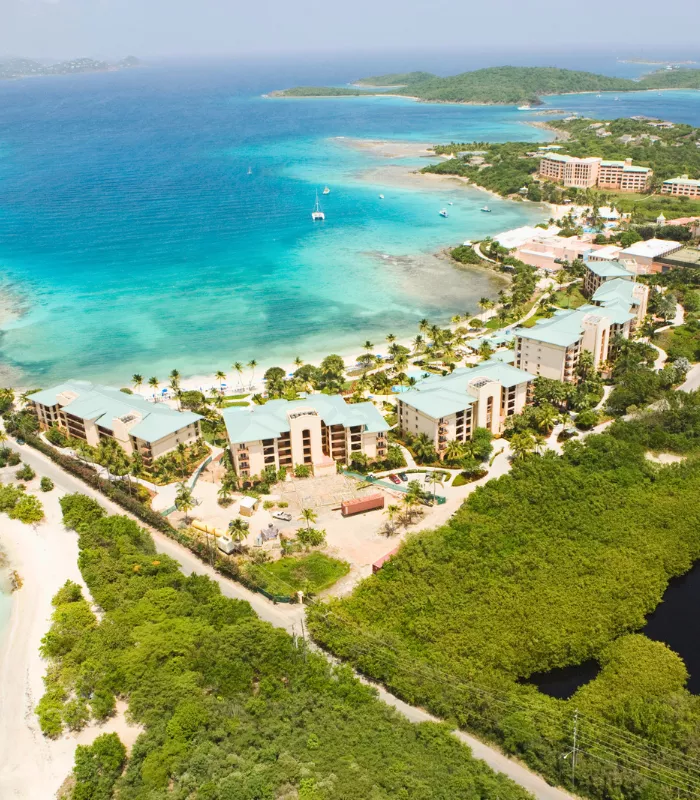
St. Thomas gets marketed hard to Americans because no passport is needed.
That sounds great. But the island is one of the most overcrowded in the entire Caribbean.
Up to 8 cruise ships can dock here on a single day.
Charlotte Amalie turns into a traffic situation on those days.
The duty-free shopping deals are not as impressive as they used to be.
Prices on electronics and jewelry have largely caught up with mainland U.S. stores.
Magens Bay, the most famous beach, charges an entrance fee and fills up fast.
Rental cars are in short supply during peak season, and roads are narrow and steep.
Many travelers find the hilly terrain challenging to navigate without a car.
Restaurant prices have climbed sharply in recent years, with dinner for two easily hitting $150 or more.
| Detail | What to Know |
|---|---|
| Passport required | No — U.S. territory |
| Main beach | Magens Bay — entrance fee, fills fast |
| Dining cost | Dinner for two: $150+ |
| Better alternative | St. John — 60% national park, far fewer crowds |
3. Cancun, Mexico — Resort Strip With Little Behind It

Cancun is technically on the Caribbean coast, and millions of Americans go there every year.
The hotel zone is a long strip of all-inclusive resorts that could be anywhere in the world.
The average American family spends over $5,000 on a Cancun vacation and barely experiences real Mexican culture.
The beaches are lovely, but so are dozens of less crowded spots nearby.
The hotel zone, known as the Zona Hotelera, is essentially a 14-mile concrete corridor.
It has chain restaurants, souvenir shops, and nightclubs aimed at college students on spring break.
This is not exactly the relaxing getaway most travelers have in mind.
Seaweed buildup on Cancun beaches has been a growing problem in recent years.
Some stretches of beach can be heavily covered in sargassum during certain months, which impacts the experience significantly.
All-inclusive packages often lock you inside the resort, meaning you spend money to go nowhere and see nothing authentic.
| Detail | What to Know |
|---|---|
| Hotel zone length | ~14 miles (Zona Hotelera) |
| Sargassum seaweed | Seasonal issue, can heavily impact beaches |
| All-inclusive model | Often locks guests inside resort compound |
| Cultural access | Minimal within the hotel zone |
4. Aruba — Stunning Beach, Thin Experience
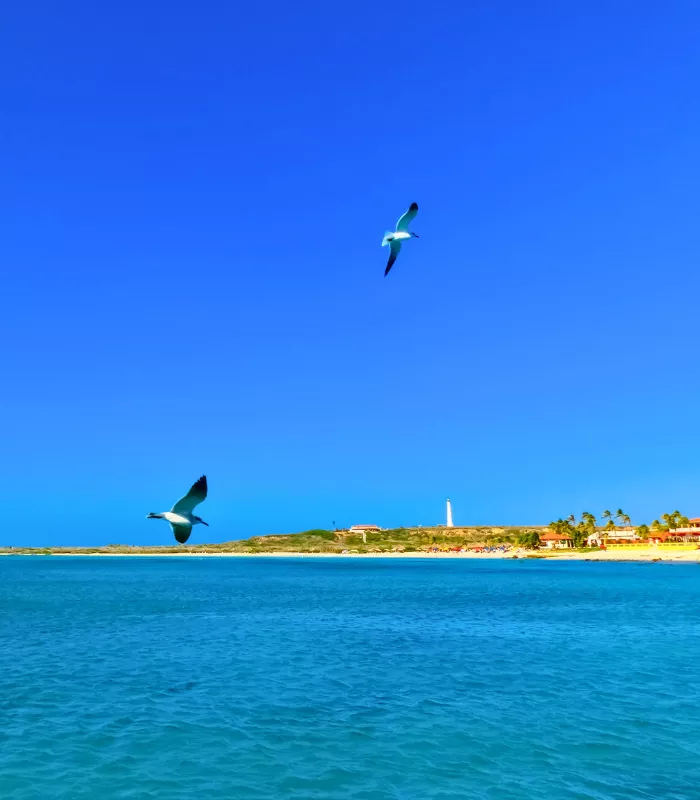
Aruba has beautiful white sand beaches and almost no hurricanes.
It also has some of the highest hotel prices in the Caribbean.
The average cost for one week in Aruba runs between $3,000 and $5,500 per couple.
The island is very dry and flat. There is not much to explore beyond the beach and the casino strip.
Eagle Beach and Palm Beach are genuinely stunning, but they get crowded quickly in high season.
The main tourist strip, Palm Beach Road, is lined with high-rise hotels that block the natural scenery.
Dining out is costly, and grocery stores charge imported-goods prices on almost everything.
The island has very little fresh water, so almost everything is desalinated, which adds to operating costs passed on to tourists.
There are no mountains, no rainforests, and no rivers. What you see on day one is essentially what you see on day seven.
For travelers who want variety and exploration, Aruba can start to feel repetitive by midweek.
| Detail | What to Know |
|---|---|
| Weekly cost per couple | $3,000–$5,500 (estimated) |
| Top beaches | Eagle Beach, Palm Beach — crowded in high season |
| Terrain | Flat and dry — no mountains, rainforests, or rivers |
| Water source | Almost entirely desalinated — adds to tourist costs |
5. St. Maarten/St. Martin — Still Rebuilding, Still Charging Full Price
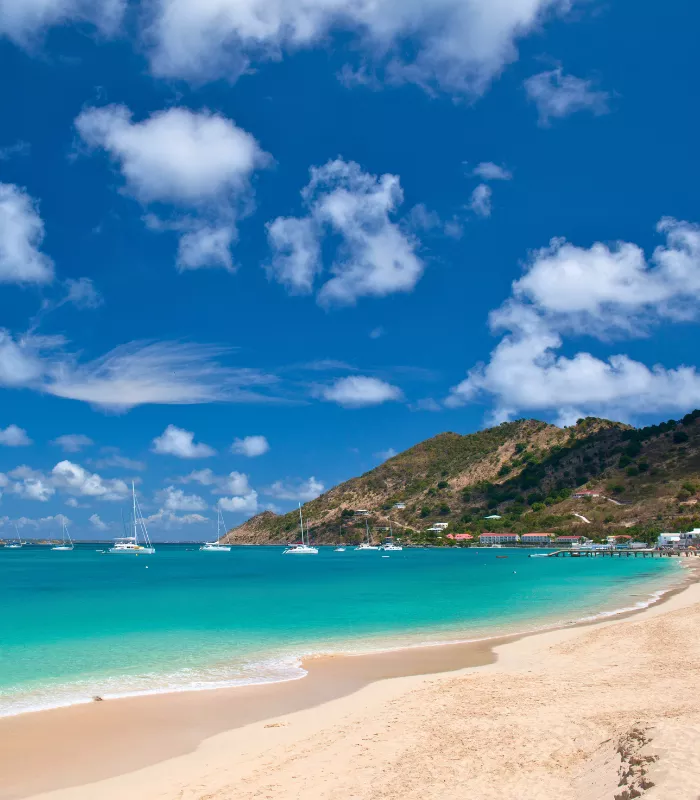
This island is split between the Netherlands and France, which sounds fascinating.
And it was, before Hurricane Irma hit in 2017. The island took a devastating blow.
Parts of the island are still recovering nearly a decade later.
Some resorts have been rebuilt beautifully. But others charge top rates for facilities that are still not fully restored.
The famous Maho Beach, where planes fly directly over sunbathers, has largely recovered and remains a popular attraction.
But the broader infrastructure of the island took serious damage that has been slow to fully repair.
The Dutch side tends to be more commercial and nightlife-focused, which is not ideal for travelers looking for peace and quiet.
The French side, Marigot, is charming but small, and many of its upscale restaurants are very expensive.
Ferry connections to nearby islands like Anguilla or St. Barths add extra cost to an already pricey trip.
Many travelers report feeling that the island has not fully recaptured the magic it had before the storm.
| Detail | What to Know |
|---|---|
| Hurricane Irma | 2017 — parts of the island still recovering |
| Maho Beach | Largely recovered — planes fly directly overhead |
| Dutch vs. French side | Dutch: commercial/nightlife; French: charming but pricey |
| Nearby island access | Anguilla, St. Barths via ferry — extra cost |
6. Turks and Caicos — World-Class Beach, Budget-Breaking Everything Else
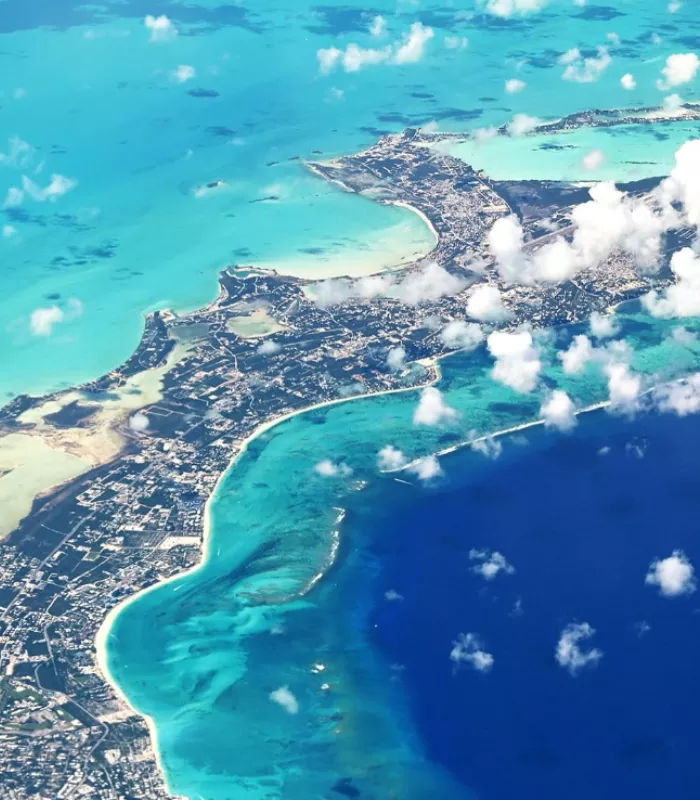
Grace Bay Beach is genuinely one of the most beautiful beaches on earth.
But Turks and Caicos has become the playground of the ultra-wealthy.
A basic resort room here easily runs $800 to $1,200 per night.
Dining is expensive. Activities are expensive. Even the taxis are expensive.
For most travelers on a tight budget, this island adds up fast.
The island has no significant local food scene outside of the tourist corridor.
Almost all food is imported, which means even a simple lunch at a casual spot can run $40 or more per person.
Water sports and excursions are priced for wealthy visitors, with snorkeling trips often costing $150 or more per person.
The island itself is quite flat and small. Beyond the beach, there is limited sightseeing to justify the price tag.
Many visitors feel the experience, while beautiful, lacks the cultural richness that makes other Caribbean islands memorable.
| Detail | What to Know |
|---|---|
| Nightly resort rate | $800–$1,200 for a basic room |
| Casual lunch cost | $40+ per person |
| Snorkeling excursions | $150+ per person |
| Comparable alternatives | Dominican Republic, Mexico — similar beaches, lower cost |
7. Barbados — Polished, Charming, and Priced Accordingly
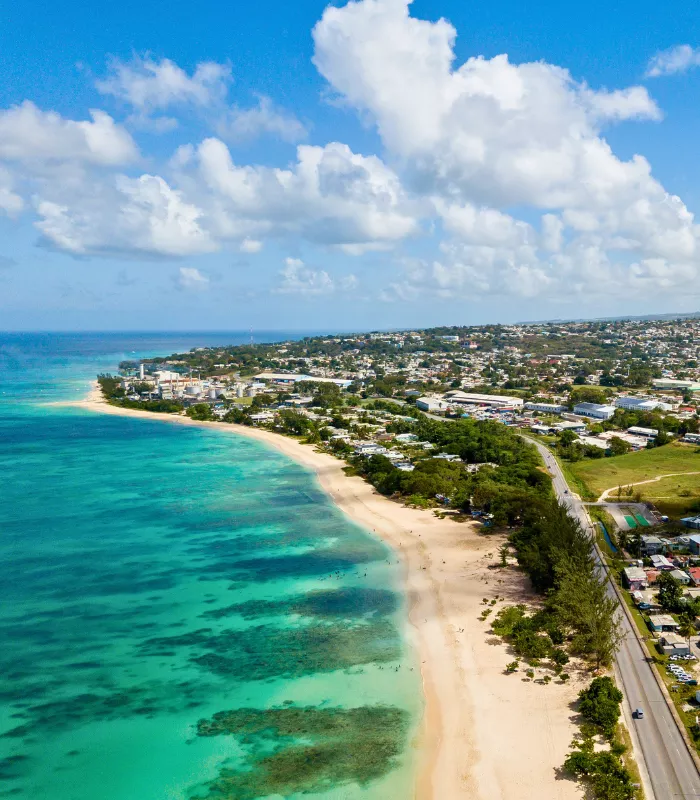
Barbados has a well-earned reputation for elegance and charm.
The West Coast is lined with luxury resorts, and the food scene is genuinely excellent.
But flight costs from most U.S. cities are high, and the island’s upscale reputation means even mid-range hotels charge luxury prices.
Many visitors feel the island caters more to the very wealthy than to regular travelers.
The Platinum Coast on the west side is where the most expensive properties sit, and prices there are comparable to those in Turks and Caicos.
The south coast is more affordable, but the beaches there are narrower, and the surf can be rough.
Getting around the island without a rental car is inconvenient, and rental cars drive on the left, which takes adjustment for most Americans.
Bridgetown, the capital, is pleasant but not particularly exciting for a full day of sightseeing.
The island’s size means you can cover most of it in two days, making a full week feel like a stretch.
The rum punch is world-class, but that alone is hard to justify the airfare.
| Detail | What to Know |
|---|---|
| West Coast pricing | Platinum Coast rates rival Turks and Caicos |
| South coast trade-off | More affordable — but narrower beaches, rougher surf |
| Driving | Left-hand traffic — rental car required to get around |
| Island coverage | Most of it covered in two days — full week can feel thin |
8. Key West, Florida — All Personality, Not Much Beach
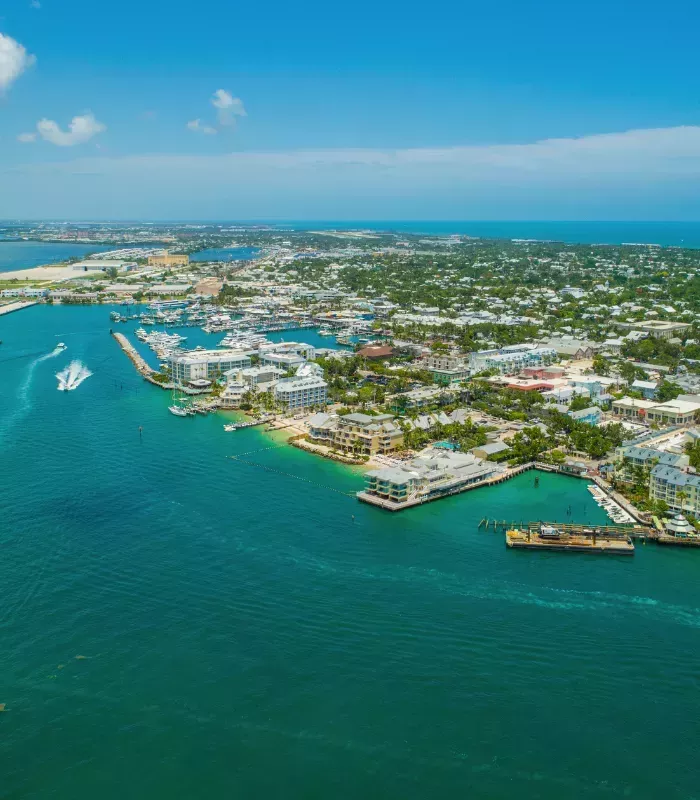
Yes, Key West sits in the Caribbean-influenced waters of the Florida Keys.
It is charming, historic, and full of personality. It is also extremely touristy.
Duval Street is packed year-round, and hotel prices rival Manhattan.
Parking is a serious challenge. The famous sunsets are real, but you will be watching them shoulder to shoulder with hundreds of strangers.
Mallory Square at sunset sounds romantic until you realize it is essentially a street fair with fire jugglers and aggressive souvenir vendors.
The beaches in Key West are not its strong suit. They are small, shallow, and often seaweed-covered.
Most of the best swimming and snorkeling require a boat trip, which adds to your daily expenses.
The bar culture is loud and aimed at younger crowds, which can make Key West feel exhausting for travelers looking for a calm retreat.
A modest hotel room in a decent location will cost $300 to $500 per night in season.
For that price, you could be on an actual Caribbean island with real beaches and far fewer crowds.
| Detail | What to Know |
|---|---|
| In-season room rate | $300–$500 per night for a modest room |
| Mallory Square sunsets | Real and beautiful — also extremely crowded |
| Beach quality | Small, shallow, often seaweed-covered |
| Better alternatives | Islamorada or Marathon — quieter, more affordable |
9. San Juan, Puerto Rico — Stunning History, Crowded Tourist Corridors

Puerto Rico is a U.S. territory, so no passport is needed. That is a genuine plus.
Old San Juan is beautiful and full of history. The food is outstanding.
But hotel prices in the Condado and Isla Verde districts have surged since 2020.
Many visitors feel the beach areas near the resort strip feel crowded and commercialized compared to what they expected.
Hurricane Maria in 2017 and the pandemic years pushed many local businesses to close permanently.
Some of the characteristics that made San Juan special have been replaced by chain hotels and rooftop bars aimed at younger tourists.
The beaches in the Condado area are decent but not spectacular by Caribbean standards.
Traffic in San Juan is notoriously bad, and driving to other parts of the island can be stressful without a GPS and patience.
Flight prices from the mainland have risen sharply as Puerto Rico’s popularity has grown among budget travelers and digital nomads.
What was once an affordable alternative to pricier islands now commands prices that rival them.
| Detail | What to Know |
|---|---|
| Passport required | No — U.S. territory |
| Hotel price surge | Condado and Isla Verde up sharply since 2020 |
| Traffic | Notoriously congested — GPS essential |
| Better alternatives | Rincon, Vieques — far less commercialized |
10. Montego Bay, Jamaica — Great Island, Wrong Entry Point
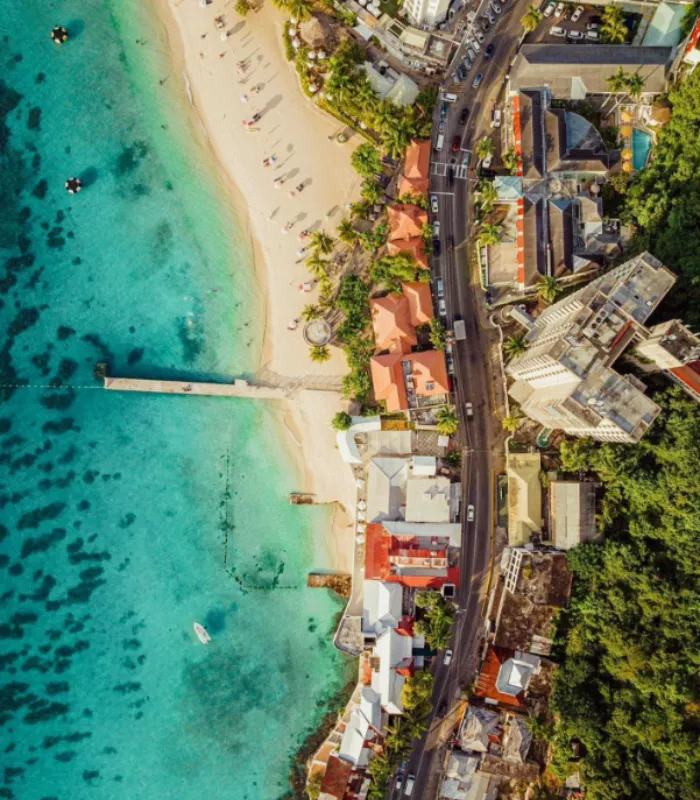
Jamaica is a stunning island with incredible culture, food, and music.
Montego Bay itself, however, is heavily resort-driven.
Most visitors never leave the all-inclusive compound and miss what makes Jamaica special.
The areas just outside many resorts can feel overwhelming, and the constant pressure from vendors near tourist zones frustrates many travelers.
The airport strip leading into Montego Bay is lined with vendors and heavy traffic that can feel overwhelming on arrival.
Hip Strip, the main tourist boulevard, has a lively atmosphere but is dominated by mediocre restaurants charging tourist prices.
All-inclusive resorts here often lock guests into a bubble that has nothing to do with real Jamaican life or food.
Jerk chicken from a roadside stand beats anything served at most resort buffets, but many guests never experience it.
Excursions like Dunn’s River Falls, while beautiful, are now so heavily visited that they feel like theme park attractions rather than natural wonders.
Jamaica has so much more to offer than what Montego Bay’s tourist machine serves up.
| Detail | What to Know |
|---|---|
| Resort model | Heavily all-inclusive — most guests never leave the compound |
| Hip Strip | Lively but tourist-priced, mediocre food quality |
| Dunn’s River Falls | Beautiful — also heavily visited, theme-park atmosphere |
| Better alternatives | Port Antonio, Negril — more authentic Jamaica experience |
11. Punta Cana, Dominican Republic — Affordable Entry, Sealed-Off Experience
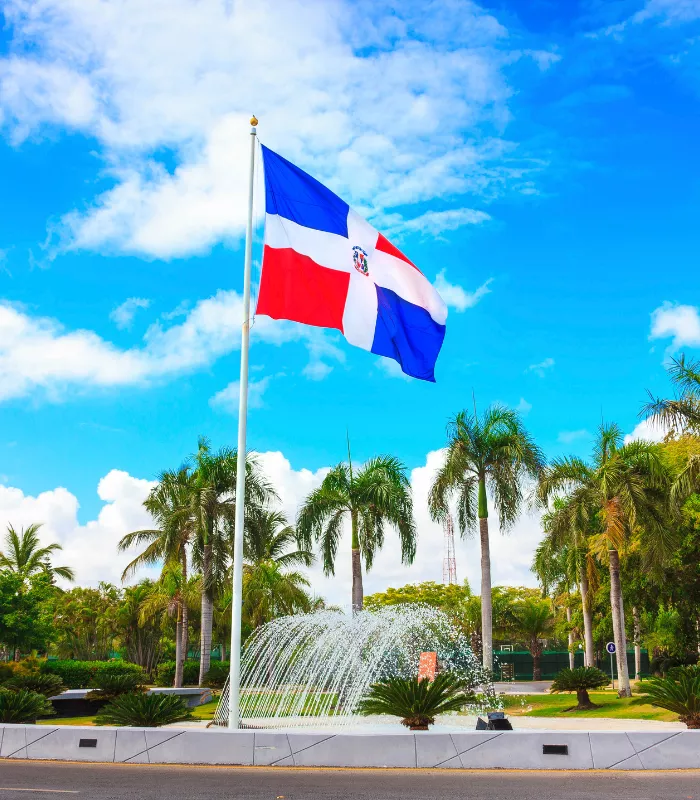
Punta Cana is one of the most booked Caribbean destinations for Americans, and it is easy to see why.
The flights are affordable, the all-inclusive resorts are massive, and the beaches look stunning in photos.
Most of those resorts are sealed-off compounds that have almost nothing to do with the real Dominican Republic.
You could spend an entire week there and never once experience authentic Dominican food, music, or culture.
The beach zone is dominated by enormous hotel chains, many of which feel more like crowded convention centers than relaxing retreats.
Water quality at some of the more budget-friendly resorts has been a point of concern raised by travelers for years.
The area around the resort corridor has very little to offer in terms of sightseeing or genuine local experiences.
Day trips to Santo Domingo, the actual cultural heart of the country, require hours of travel each way.
Many travelers find the loud pool entertainment, party atmosphere, and buffet-style dining exhausting rather than relaxing.
Punta Cana packages can seem like a bargain upfront, but hidden fees, resort charges, and excursion costs add up quickly.
| Detail | What to Know |
|---|---|
| Resort model | Sealed all-inclusive compounds — minimal local access |
| Santo Domingo day trip | Hours of travel each way from resort corridor |
| Hidden costs | Resort fees, excursion charges add up fast |
| Better alternatives | Las Terrenas, Samana — authentic, comparably priced |