

Those people have clearly never stood on a Newfoundland island where locals still speak in 17th-century dialects.
Or watched beluga whales from a beach in Quebec.
Or ordered a cocktail in the Yukon with a human toe floating in it.
Canada has been wildly, wonderfully unusual this whole time, and most travelers completely missed it.
1. Lunenburg, Nova Scotia — A Living Heritage Town That Refused to Change
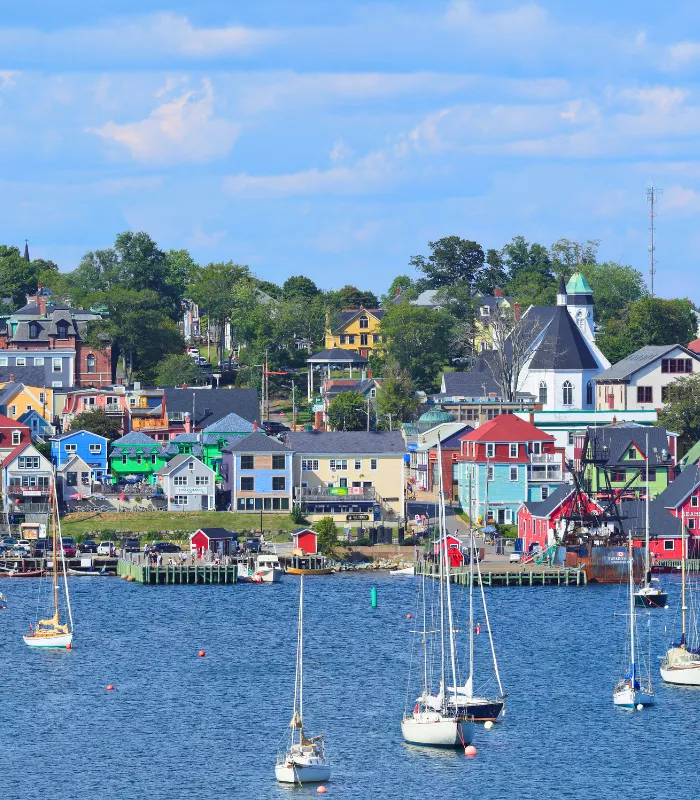
Lunenburg looks like a painting come to life.
The buildings are painted in bright reds, yellows, and blues.
It was founded in 1753 and is one of only two urban areas in North America designated a UNESCO World Heritage Site.
You won’t find strip malls or chain restaurants here.
The waterfront smells like salt air and fresh fish.
It feels like stepping into a 300-year-old fishing village, because that’s exactly what it is.
Locals still build wooden boats by hand, and the fishing industry has never really left.
The Bluenose II, one of Canada’s most beloved sailing ships, calls Lunenburg home.
Summer evenings here are filled with live folk music spilling out of old wooden taverns.
Walking the streets at dusk feels like the rest of the world simply forgot to show up.
| Detail | Info |
|---|---|
| Founded | 1753 |
| UNESCO Status | World Heritage Site (one of two North American urban areas) |
| Known For | Wooden boatbuilding, Bluenose II, folk music, fishing culture |
| Best Time to Visit | Summer for evening music; autumn for quiet atmosphere |
2. Tofino, British Columbia — Storm Country Where Wild Ocean Meets Old Forest

Tofino sits at the far western edge of Vancouver Island.
It is surrounded by old-growth rainforest on one side and the open Pacific Ocean on the other.
Storm watching is actually a tourism season here, running from October to March.
People drive hours just to watch massive waves crash into the shore.
No boardwalks. No tourist traps. Just nature doing its thing.
The bears, wolves, and eagles here are not attractions. They are simply neighbors.
Hot Springs Cove, accessible only by boat or floatplane, rewards those willing to make the trip with natural geothermal pools surrounded by old-growth forest.
Local seafood here is some of the freshest on the continent, pulled straight from the Pacific and served the same day.
The sunsets over Chesterman Beach are the kind that make you put your phone down and just watch.
| Detail | Info |
|---|---|
| Location | Western edge of Vancouver Island, BC |
| Storm Season | October to March |
| Known For | Surfing, old-growth hiking, wildlife, Hot Springs Cove |
| Access to Hot Springs Cove | Boat or floatplane only |
3. Dawson City, Yukon — Gold Rush Bones With a Toe in Every Cocktail
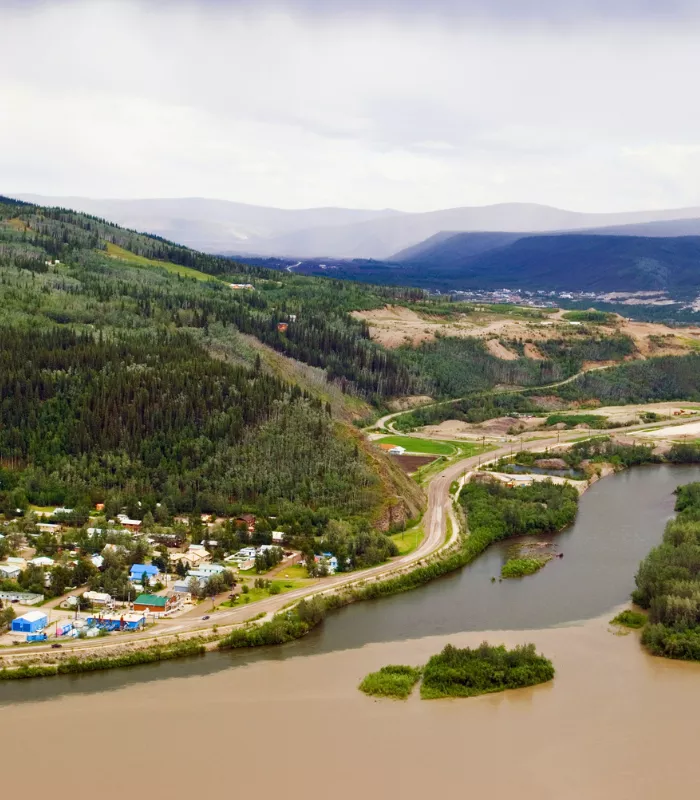
Dawson City was the heart of the Klondike Gold Rush in 1898.
At its peak, over 30,000 people flooded this tiny northern town.
Today, fewer than 2,000 people live here year-round.
The streets are still unpaved in many places.
Wooden boardwalks line the downtown.
Dawson City has a vibrant arts scene, summer music festivals, and a famous bar that serves a cocktail with a real human toe in it.
In winter, the northern lights stretch across the sky in colors that no photograph ever quite captures.
During summer, the sun barely sets, giving the town a dreamlike glow at midnight that confuses your body clock in the best possible way.
The Dänojà Zho Cultural Centre shares the stories of the Tr’ondëk Hwëch’in First Nation, whose history here goes back thousands of years before the gold rush ever began.
Dawson City is proof that the most interesting places are often the ones hardest to reach.
| Detail | Info |
|---|---|
| Gold Rush Peak | 1898, population over 30,000 |
| Current Population | Under 2,000 year-round |
| Famous Quirk | Sourtoe Cocktail — served with a real preserved human toe |
| Cultural Site | Dänojà Zho Cultural Centre (Tr’ondëk Hwëch’in First Nation) |
4. Percé, Quebec — A Limestone Giant Rising From a Forgotten Sea
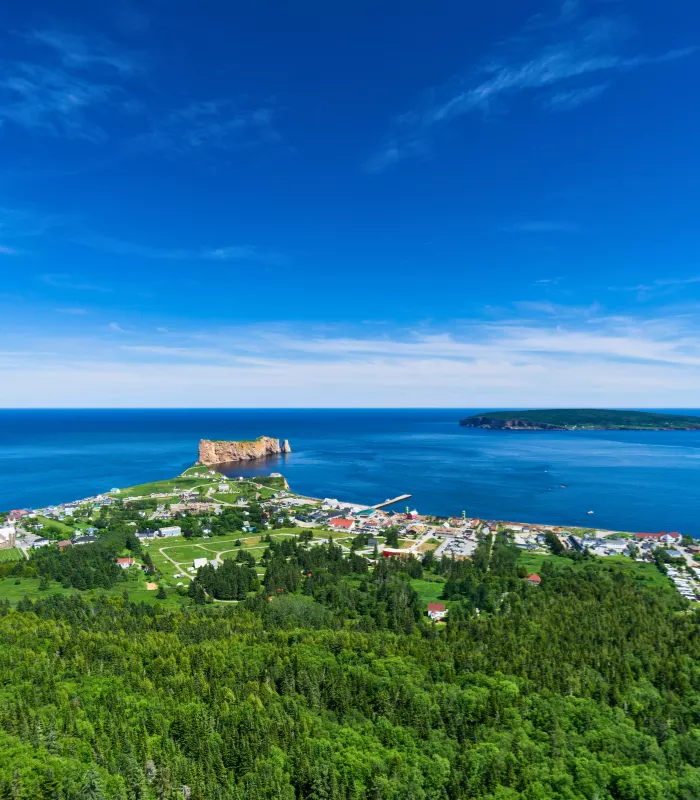
Percé sits on the tip of the Gaspé Peninsula in Quebec.
Its most famous landmark is Percé Rock, a massive limestone formation rising out of the sea.
The rock is approximately 475 meters long and 30 meters tall.
You can walk to it at low tide.
Nearby Bonaventure Island is home to one of the largest northern gannet colonies in the world, with over 100,000 birds nesting there.
The whole area feels ancient and untouched.
The village itself is tiny, unhurried, and almost entirely French-speaking.
Fresh lobster here costs a fraction of what you would pay in a big city restaurant, and the view while eating it is considerably better.
The dramatic cliffs along the coastline change color throughout the day as the light shifts, drawing painters and photographers from across the world.
Getting here takes effort, and that is exactly why it still feels the way it does.
| Detail | Info |
|---|---|
| Location | Tip of Gaspé Peninsula, Quebec |
| Percé Rock Size | ~475m long, ~30m tall |
| Bonaventure Island | One of the world’s largest northern gannet colonies (100,000+ birds) |
| Village Character | Tiny, unhurried, predominantly French-speaking |
5. Gimli, Manitoba — Iceland on the Prairies, Built to Last 150 Years
Gimli is a small town on the western shore of Lake Winnipeg.
It was settled by Icelandic immigrants in 1875 and still proudly carries that heritage.
Gimli is often called the largest Icelandic community outside of Iceland itself.
The town hosts the annual Icelandic Festival of Manitoba, known as Islendingadagurinn, every summer.
You can find Icelandic foods, Viking history, and a laid-back lakeside charm here.
Lake Winnipeg stretches so far out from the shore that it looks and feels like a freshwater ocean.
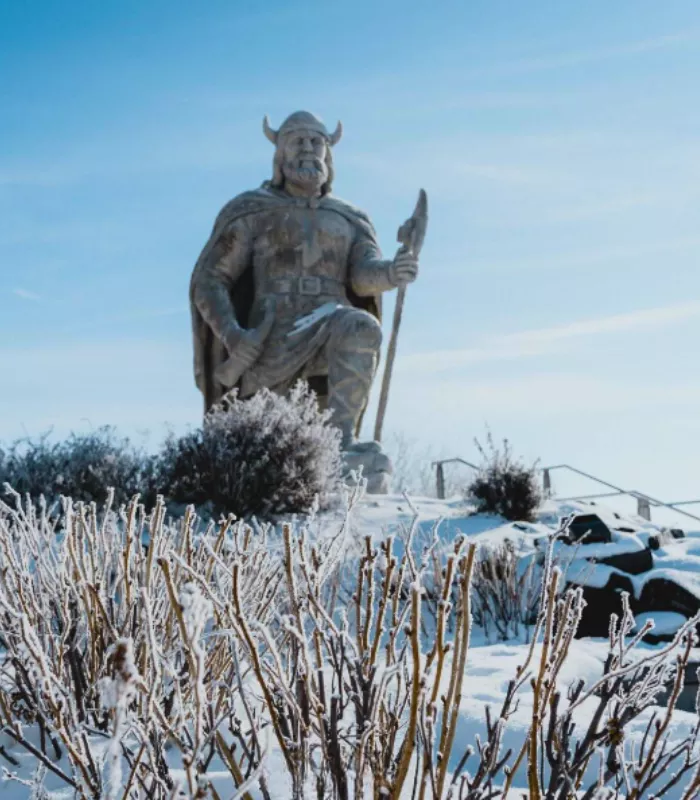
A giant Viking statue stands watch over the harbour, which tends to surprise first-time visitors who were not expecting medieval Scandinavia in the middle of the Canadian prairies.
The local library even holds Icelandic-language books, a tradition the community has kept alive for 150 years.
Gimli is a reminder that Canada’s immigrant communities didn’t just arrive and assimilate. Many of them built entirely new worlds.
| Detail | Info |
|---|---|
| Founded | 1875 by Icelandic settlers |
| Annual Festival | Islendingadagurinn (Icelandic Festival of Manitoba) |
| Known For | Viking statue, Icelandic food, lakeside setting, Icelandic-language library |
| Water Feature | Lake Winnipeg — freshwater sea scale |
6. Baddeck, Nova Scotia — Where Alexander Graham Bell Came to Think

Baddeck is a quiet little town on Cape Breton Island.
It sits along the shores of Bras d’Or Lake, a vast inland saltwater lake.
Alexander Graham Bell, inventor of the telephone, loved Baddeck so much that he spent his summers there for over 35 years.
There is a national historic site dedicated to him right in town.
The scenery is gentle and green, with rolling hills and calm water.
It moves at a slower pace than almost anywhere else in Canada.
Sailing on Bras d’Or Lake on a calm summer evening is the kind of experience people come back for year after year.
The Cabot Trail, one of the most scenic drives in the world, is just minutes away from Baddeck’s front door.
Celtic music is woven into daily life here, with impromptu kitchen parties and fiddle sessions that happen year-round, not just for tourists.
Baddeck doesn’t try to impress you. It just quietly does.
| Detail | Info |
|---|---|
| Location | Cape Breton Island, Nova Scotia |
| Famous Connection | Alexander Graham Bell summered here 35+ years; national historic site in town |
| Water | Bras d’Or Lake — vast inland saltwater lake |
| Nearby | Cabot Trail, minutes away |
7. Tadoussac, Quebec — Beluga Country at the Edge of a Southern Fjord
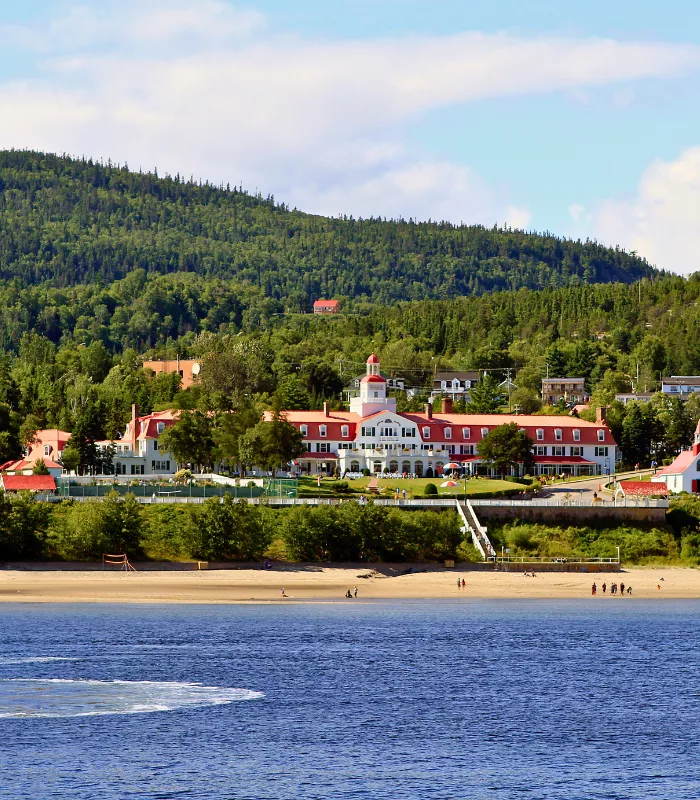
Tadoussac is one of the oldest European settlements in North America, established in 1600.
It sits where the Saguenay River meets the St. Lawrence River.
This spot is one of the best places on earth to see beluga whales from shore, with an estimated 1,000 belugas living in the area.
The little red-roofed hotel in town has been welcoming guests since 1864.
In summer, whale watching boats leave from the dock all day long.
It is deeply French Canadian and deeply its own world.
On quiet mornings, you can sit on the hillside and watch belugas surface in the river below without spending a single dollar.
The Saguenay Fjord, one of the southernmost fjords in the world, begins right here and cuts dramatically through the landscape for over 100 kilometers.
The tiny wooden chapel at the edge of town, built in 1747, is one of the oldest standing wooden chapels in North America.
Tadoussac has been drawing visitors for over 400 years, and it still hasn’t lost what makes it worth the drive.
| Detail | Info |
|---|---|
| Established | 1600 (one of North America’s oldest European settlements) |
| Beluga Population | ~1,000 in the area; viewable from shore for free |
| Saguenay Fjord | One of world’s southernmost fjords; 100km+ long |
| Historic Chapel | Built 1747 — one of North America’s oldest wooden chapels |
8. Nelson, British Columbia — 350 Heritage Buildings and a Hill You Can Ski Home From
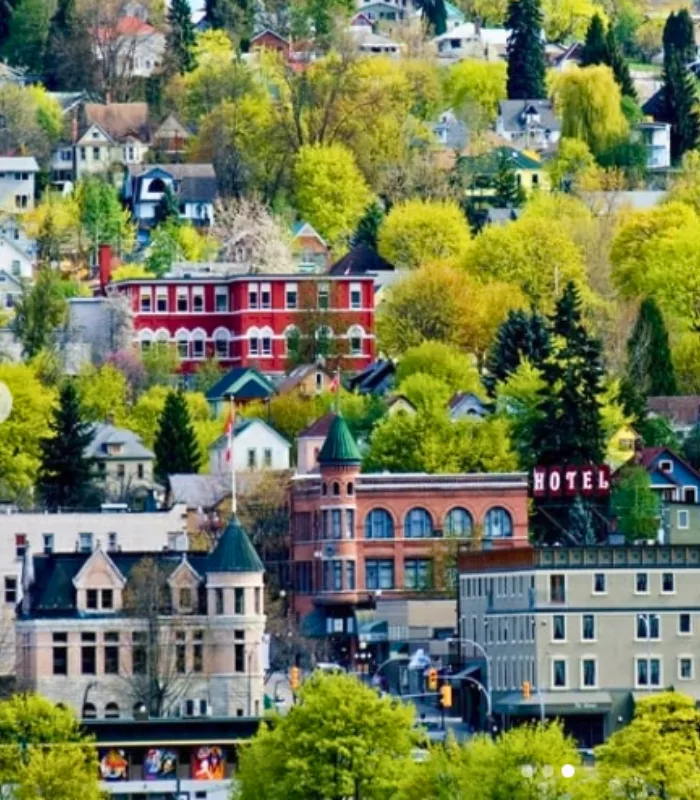
Nelson is a small mountain city in the Kootenay region of BC.
It has one of the highest concentrations of heritage buildings per capita in Canada.
Over 350 restored Victorian and Edwardian buildings line its downtown streets.
Nelson also has a thriving arts community, independent shops, and a quirky creative spirit.
You’re better off skipping the big mountain resort towns and coming here instead for something more authentic.
It draws artists and outdoor lovers who want something with a pulse beyond the chairlift.
The ski hill sits right above town, and locals ski home for lunch on powder days.
Nelson has more restaurants, galleries, and live music venues per person than cities ten times its size.
The Baker Street corridor feels like a small European town dropped into the middle of the Rocky Mountains.
Once people find Nelson, they have a tendency to stop looking for anywhere else.
| Detail | Info |
|---|---|
| Location | Kootenay region, British Columbia |
| Heritage Buildings | 350+ restored Victorian and Edwardian structures downtown |
| Known For | Arts community, independent shops, ski hill above town |
| Character Street | Baker Street corridor |
9. Fogo Island, Newfoundland — Ferry-Only, Phone-Free, and Entirely Its Own World

Fogo Island sits off the northeast coast of Newfoundland.
You have to take a ferry to get there.
The island is home to the famous Fogo Island Inn, a stunning architectural landmark that was named one of the best hotels in the world.
But the real draw is the island life itself.
Outport fishing communities here have barely changed in 200 years.
Residents still speak with accents rooted in 17th-century English and Irish dialects.
Every dollar spent at the inn is reinvested directly back into the local community.
Icebergs drift past the coastline every spring, some of them taller than a five-story building.
The island has no traffic lights, no fast food chains, and no cell service in most areas, which sounds like a problem until you arrive and realize it is the whole point.
Fogo Island doesn’t ask you to slow down. It simply makes speed impossible.
| Detail | Info |
|---|---|
| Access | Ferry only |
| Notable Stay | Fogo Island Inn — ranked among world’s best hotels |
| Community Model | All inn revenue reinvested into local community |
| Seasonal Spectacle | Icebergs drift past coastline each spring |
10. Niagara-on-the-Lake, Ontario — First Capital, Last Word in Colonial Charm
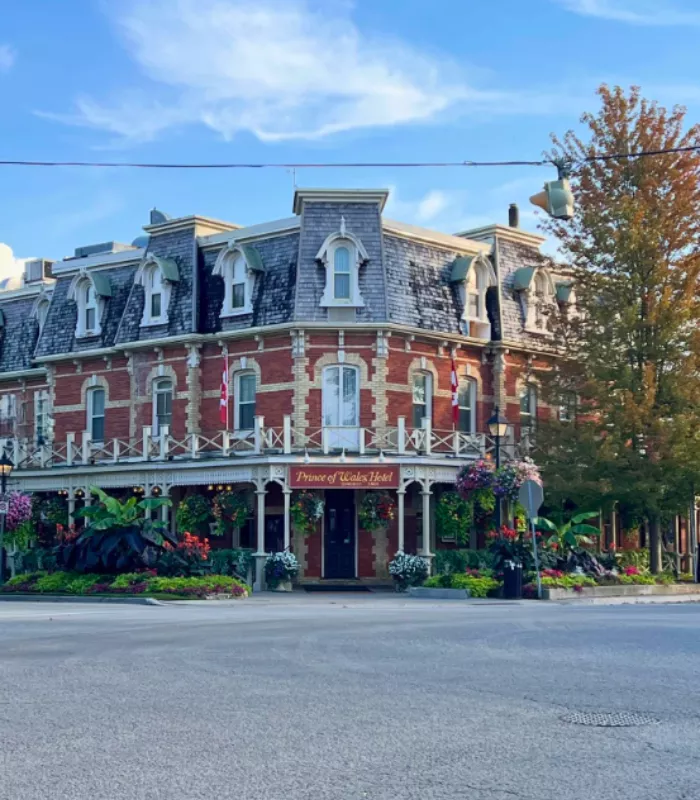
Niagara-on-the-Lake is not Niagara Falls.
This small town sits at the mouth of the Niagara River, just 20 minutes north of the falls.
It was the first capital of Upper Canada and still looks the part, with 19th-century architecture lining its main street.
The town is surrounded by vineyards and is considered the heart of Ontario wine country.
It also hosts the famous Shaw Festival, one of the top theater festivals in North America.
It feels more like rural England than anything you’d find in the United States.
Ice wine produced here has won international awards, and you can taste it straight from the source at dozens of local wineries.
Horse-drawn carriages still move through the streets on summer weekends, past gardens that bloom with the kind of obsessive care only small, proud towns manage to sustain.
Fort George, a fully restored military fort from the War of 1812, sits at the edge of town and offers guided tours that bring that era vividly back to life.
This is the kind of town that makes you book a second night before you’ve even finished the first.
| Detail | Info |
|---|---|
| Historic Role | First capital of Upper Canada |
| Theater | Shaw Festival — one of North America’s top theater festivals |
| Wine | Heart of Ontario wine country; internationally awarded ice wine |
| Historic Site | Fort George — War of 1812 fort with guided tours |
11. Baie-Saint-Paul, Quebec — Meteor Crater, Master Cheeses, and the Cradle of Cirque

Baie-Saint-Paul sits in a valley formed by a meteor crater millions of years ago.
It is nestled between dramatic mountains and the St. Lawrence River, east of Quebec City.
The town became the birthplace of the Charlevoix art movement and has inspired painters for over a century.
Galleries and studios line the streets alongside bakeries and French bistros.
The food here is exceptional, even by Quebec’s already high standards.
I made a classic mistake once, skipping this town to rush to Quebec City. That was the wrong call.
Cirque du Soleil was actually founded in this region, which tells you something about the creative energy this valley produces.
The cheese made in the surrounding Charlevoix region is considered some of the finest in all of Canada, with local fromageries producing varieties you will not find anywhere else.
In autumn, the valley turns into a sea of red and gold foliage that frames the St. Lawrence like a painting no artist could fully do justice to.
Baie-Saint-Paul is the kind of place that makes creative people want to stay and make something.
| Detail | Info |
|---|---|
| Geology | Valley formed by ancient meteor crater |
| Arts Heritage | Birthplace of the Charlevoix art movement |
| Famous Origin | Cirque du Soleil founded in this region |
| Food Highlight | Charlevoix fromageries — cheeses not found elsewhere in Canada |