

The 60s produced remarkable technological advances alongside products so poorly designed they became legendary failures.
Manufacturers believed consumers would buy anything labeled modern or revolutionary.
That’s why we got exploding toys, leaking vehicles, and food products that tasted like sweetened paste.
These 19 items represent the decade’s greatest hits of consumer regret.
1. Kellogg’s Concentrate Cereal, The Cereal That Needed More Cereal

Kellogg’s introduced a concentrated cereal that promised to revolutionize breakfast by taking up less space in your bowl.
Kellogg’s launched Concentrate in 1966, pitching it as a compact answer to oversized cereal bowls.
The concept seemed brilliant on paper. Less cereal meant less storage space and potentially lower costs.
To feel full, people had to pour regular cereal on top, which completely defeated the purpose.
The flavor was described as tasting slightly sweet cardboard. It didn’t blend well with milk and quickly turned into a mushy lump.
Nobody wanted a cereal that required adding more cereal to actually work.
Marketing teams pushed hard, but consumers pushed back harder with their wallets.
| Verdict: More Cereal Needed |
|---|
| A product that required you to buy more product to make it functional was doomed from the start. |
2. Corfam Synthetic Leather Shoes by DuPont, Plastic Shoes That Never Breathed

DuPont promised revolutionary synthetic leather shoes that would never need polishing or care.
The company invested millions in developing Corfam as a modern alternative to traditional leather.
Users felt like they were stuffing their feet into plastic Tupperware containers. Corfam was completely unbreathable, causing feet to feel stuffy and sweaty after just a few hours.
The shoes emitted an annoying squeaking sound with every step, making the wearer the center of unwanted attention.
Despite heavy marketing, people preferred shoes that actually felt comfortable.
DuPont eventually abandoned the project after losing millions on the failed venture.
| Verdict: Plastic Feet Prison |
|---|
| No amount of convenience matters when your feet feel like they are trapped in plastic saunas all day. |
3. Vibrating Exercise Belts, Jiggling Machines That Fooled No One
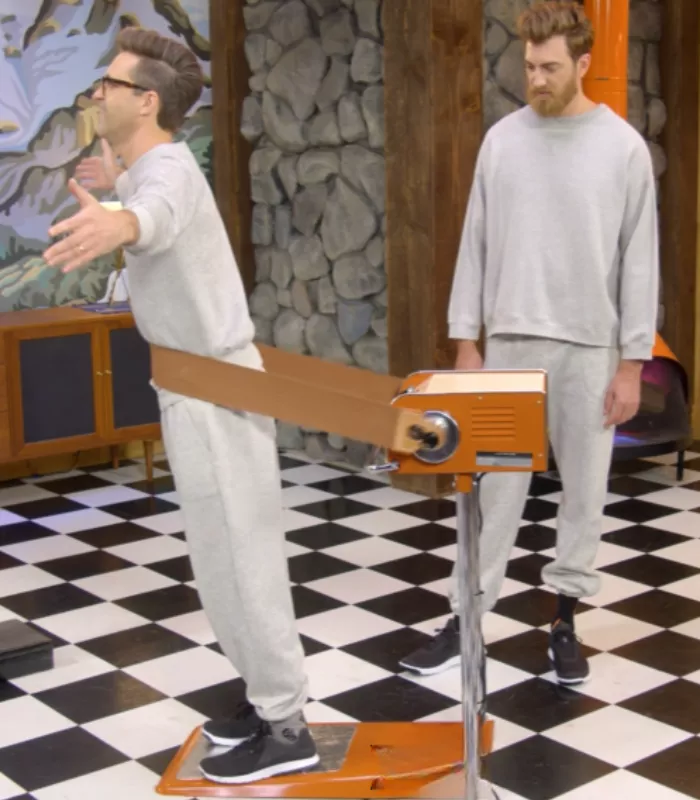
These belts promised dramatic body transformations and toned muscles without any actual movement.
Gyms and homes across America featured people standing still while a belt vibrated around their waist.
The concept claimed that vibrations would shake fat away and build muscle tone.
Physics doesn’t negotiate with marketing claims. The belts delivered nothing but skin irritation and buyer’s remorse.
They established a template for gimmicky gadgets that continues today.
People spent good money only to discover that nothing replaces actual movement and effort.
| Verdict: Vibrations Beat Physics, Lost |
|---|
| A product that promised quick results with zero effort was too good to be true because it was. |
4. Polyester Pants Suits, Wrinkle Free and Soaked in Sweat

Marketing departments looked at synthetic fabrics and saw revolution.
Polyester pantsuits promised wrinkle-free living and easy-care clothing.
Consumers experienced something closer to torture. These outfits delivered personal saunas that trapped heat and retained odors with disturbing efficiency.
The fabric was completely unbreathable, making hot days unbearable.
That’s why natural fabrics made a strong comeback in later decades.
The convenience of no ironing could not overcome the discomfort of constant sweating.
| Verdict: A Sweat Suit, Literally |
|---|
| Fashion that makes you sweat constantly and smell bad will never stand the test of time. |
5. Space Food Sticks, Astronaut Snacks With a Rubbery Bite
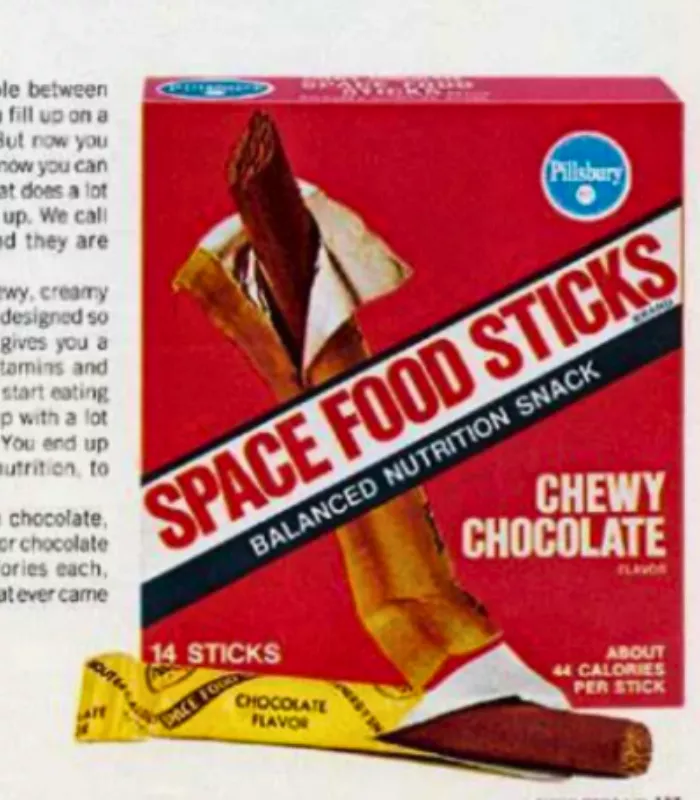
These treats capitalized on the space race excitement by marketing themselves as astronaut food.
The sticks were individually wrapped to mimic the rations kids saw astronauts eating on television during the era’s moon missions.
Children expected space age candy bars to taste amazing and futuristic.
Their texture was strange, chewy like rubber. The flavor was bland and waxy.
They left a strange film in the mouth that lingered long after eating.
Some sticks even stuck to teeth like glue, making them unpleasant to eat.
The novelty wore off quickly when kids realized they tasted nothing like actual treats.
| Verdict: Rubbery Reality Check |
|---|
| Even the coolest space-themed marketing could not overcome rubber-like texture and terrible taste. |
6. Instant Coffee Tablets, Gritty Lumps in Every Cup
Coffee companies tried to make instant coffee even more convenient with dissolvable tablets.
You were supposed to drop a tablet in hot water for an instant cup of coffee.
These tablets did not dissolve evenly in water. Instead, they left gritty lumps floating in the cup.
The taste was a disaster. The coffee tasted bitter and metallic, making drinkers feel like they were drinking boiled dust.
Coffee lovers quickly returned to traditional instant coffee or brewed options.
The tablets sat unused in cupboards until they eventually got thrown away.
| Verdict: Gritty Cup, Bitter End |
|---|
| Coffee that looks and tastes like dirty water with floating lumps could never compete with actual coffee. |
7. Portable Turntables, Music on the Go, Mostly Skipping
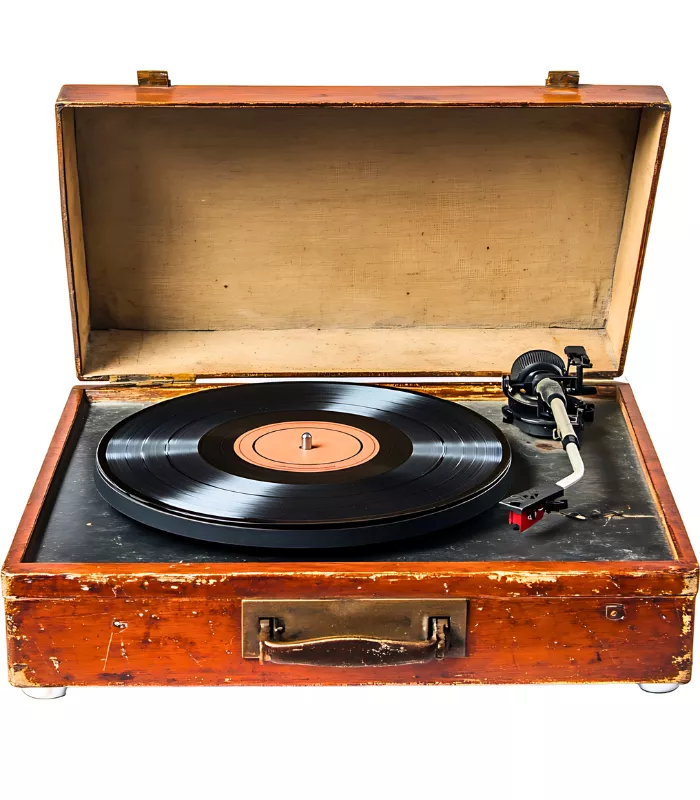
These devices promised to let you take your music anywhere in the pre-Walkman era.
Young people loved the idea of portable music players for records.
Records often skipped, warped, and the needle would jump mid-song, completely ruining the listening experience.
The sound quality was not good, often distorted or unclear.
The most frustrating thing was that you couldn’t fast-forward or rewind. You were stuck listening to music in a predetermined order.
Any bump or movement while walking caused the needle to skip across the record.
| Verdict: Skip After Skip |
|---|
| A music player that skips constantly and offers no control over what you hear defeats the purpose of portable music. |
8. Crosley Record Player and TV Combo, One Broken Part, Two Dead Devices
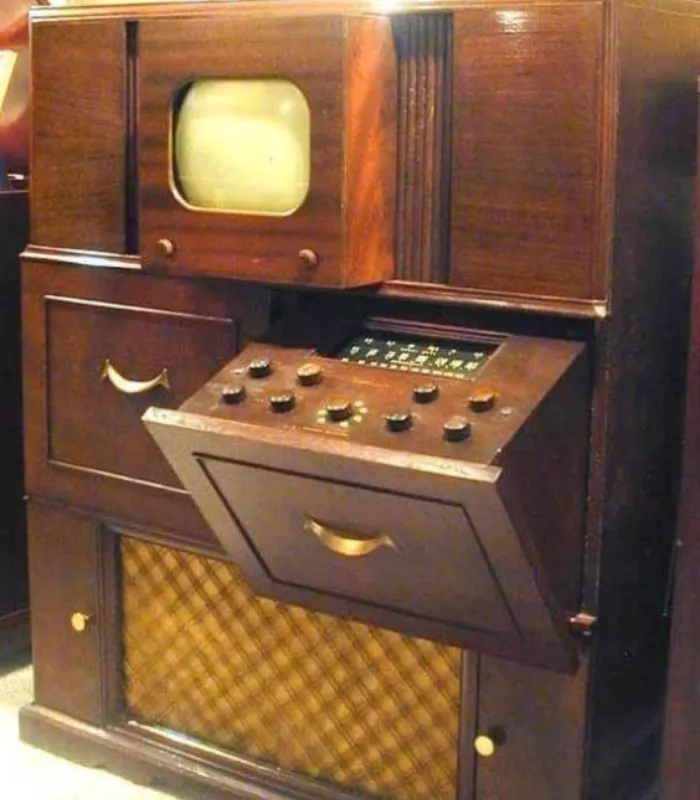
Manufacturers thought combining a television and a record player into one unit was genius.
Families could watch TV and play records from the same furniture piece.
When either the TV or the record player broke, you lost both functions.
Repair costs were expensive because the integrated design made fixing individual components difficult.
You’re better off buying separate devices that can be replaced individually.
The combination furniture took up massive floor space and became worthless when either part failed.
| Verdict: One Break, Two Losses |
|---|
| Combining two technologies into one unit meant twice the chance of failure and twice the frustration. |
9. Funny Face Drink Mix, Flavor Names That Didn’t Age Well
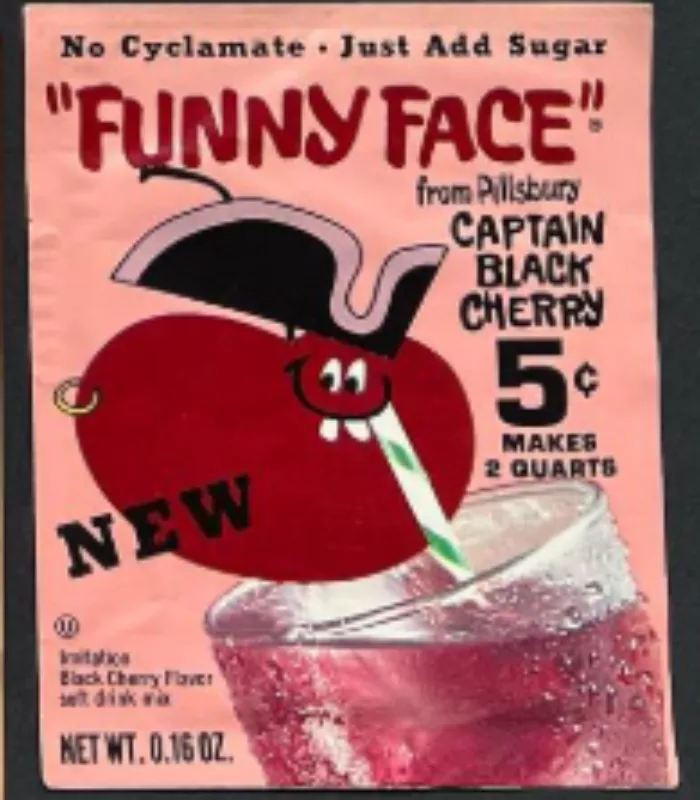
This powdered drink mix tried to compete with Kool-Aid using quirky character names and flavors.
The mix launched in 1964 with several flavors, each represented by its own cartoon face on the packet.
The original flavors had names like Injun Orange and Chinese Cherry.
These names became increasingly inappropriate and offensive as cultural awareness grew.
The company had to rename multiple flavors due to complaints.
The drink itself tasted artificial and left a chemical aftertaste.
Brand reputation suffered from the offensive naming choices that seemed acceptable in the 60s.
| Verdict: Names Aged Worse Than Flavor |
|---|
| Product names that were culturally insensitive from the start became completely unacceptable as society evolved. |
10. Mug-O-Lunch by Betty Crocker, Lunch That Tasted Like Dessert
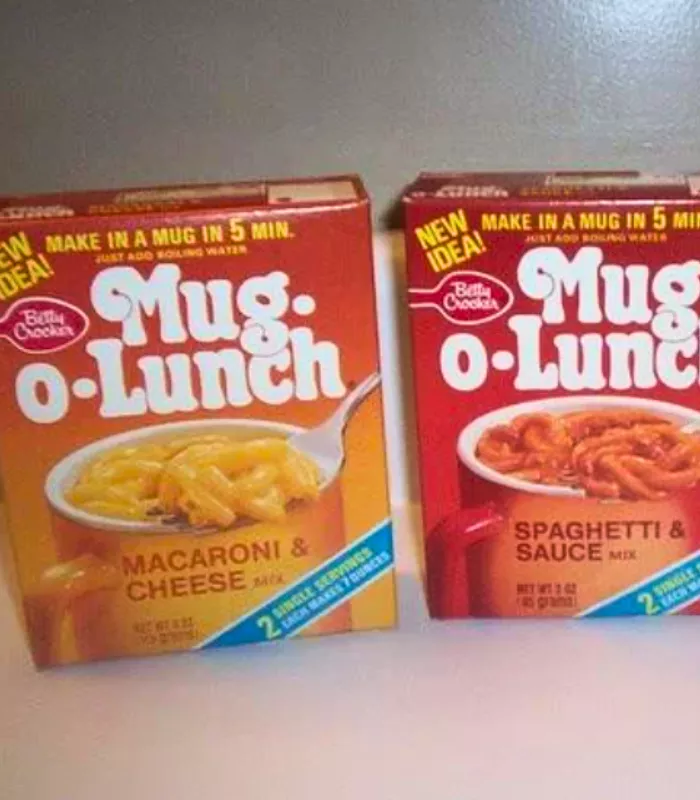
Betty Crocker tried to create an instant meal in a mug decades before microwave cups became popular.
The concept was to add hot water to dried ingredients for a quick lunch.
The texture of Mug-O-Lunch was greasy and created an unpleasant mouth feel.
The flavor was strangely sweet, like a candy pudding pretending to be real food.
Most people would rather make a sandwich than endure this instant meal option.
The product disappeared from shelves within a few years of its launch.
| Verdict: Candy Posing as Lunch |
|---|
| An instant lunch that tastes like sweet paste cannot compete with actual food that takes five minutes to prepare. |
11. Amphicar, Bad at Driving, Worse at Floating
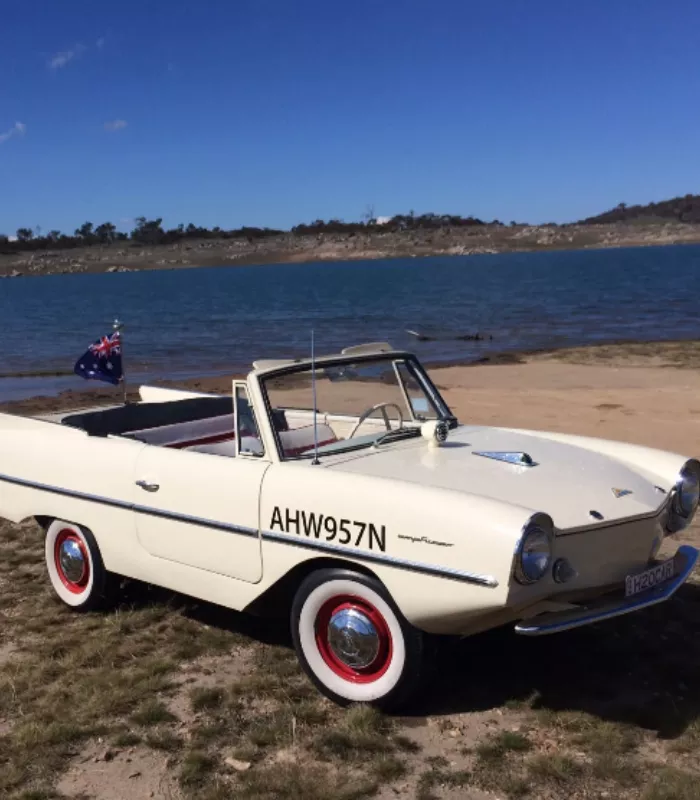
The Amphicar promised to be both a car and a boat in one vehicle.
It could drive on roads and then float on water like a boat.
On land, it drove poorly with sluggish acceleration. In water, it moved even more slowly and leaked constantly.
The vehicle was not good at being a car and not good at being a boat either.
Maintenance was a constant hassle because salt water corroded the parts quickly.
Owners spent more time repairing their Amphicar than actually using it for either purpose.
| Verdict: Neither Fish Nor Fowl |
|---|
| A vehicle that does two things badly is worse than having two separate vehicles that each work properly. |
12. Clackers Toy, The Toy That Shattered on Impact

Clackers were two heavy acrylic balls on a string that kids swung to make them clack together.
The toy became wildly popular in the late 1960s as children loved the loud clicking sound.
The acrylic balls shattered during use, sending sharp plastic shards flying in all directions.
Numerous children suffered eye injuries and cuts from exploding Clackers.
The toy was eventually pulled from shelves in many places due to the risk of injury.
Parents learned the hard way that loud toys and breakable materials do not mix well.
| Verdict: Banned for a Reason |
|---|
| A children’s toy that regularly exploded into sharp shrapnel was a disaster waiting to happen. |
13. Fizzies Drink Tablets, Fizzy Fun With a Pulled Ingredient
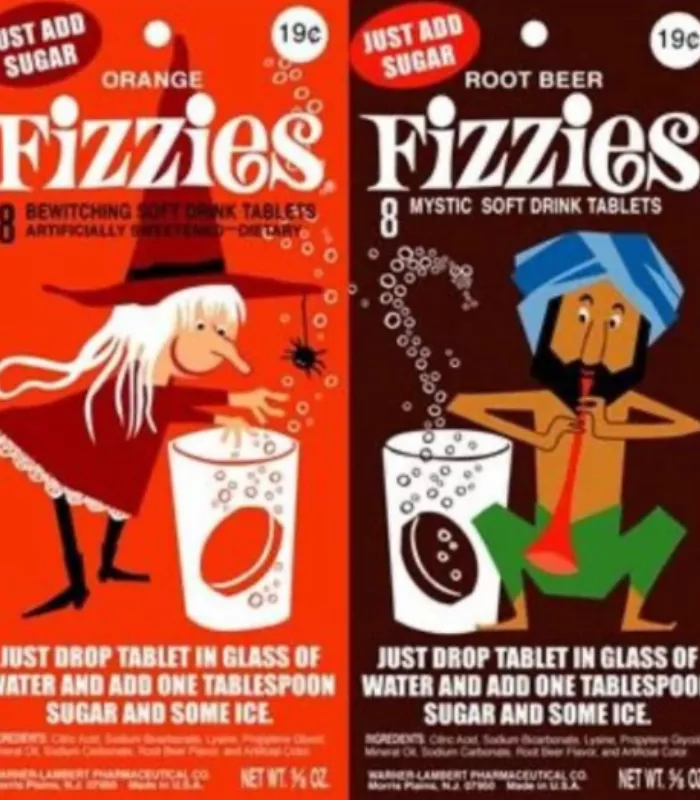
Fizzies were flavored tablets that dissolved in water to create instant flavored drinks.
Kids loved watching the tablets fizz and dissolve in their cups.
The tablets contained cyclamate, an artificial sweetener that was later pulled from the market over ingredient concerns.
The drink tasted overly sweet and left a strange chemical aftertaste.
Children sometimes ate the tablets directly instead of dissolving them, creating choking hazards.
The ingredient ban forced the product off shelves and into the history of failed beverages.
| Verdict: Pulled From Shelves |
|---|
| A product marketed to children that contained a banned ingredient and posed choking risks could not survive. |
14. Eight-Track Tapes, Tangled Reels and Cut-Off Songs
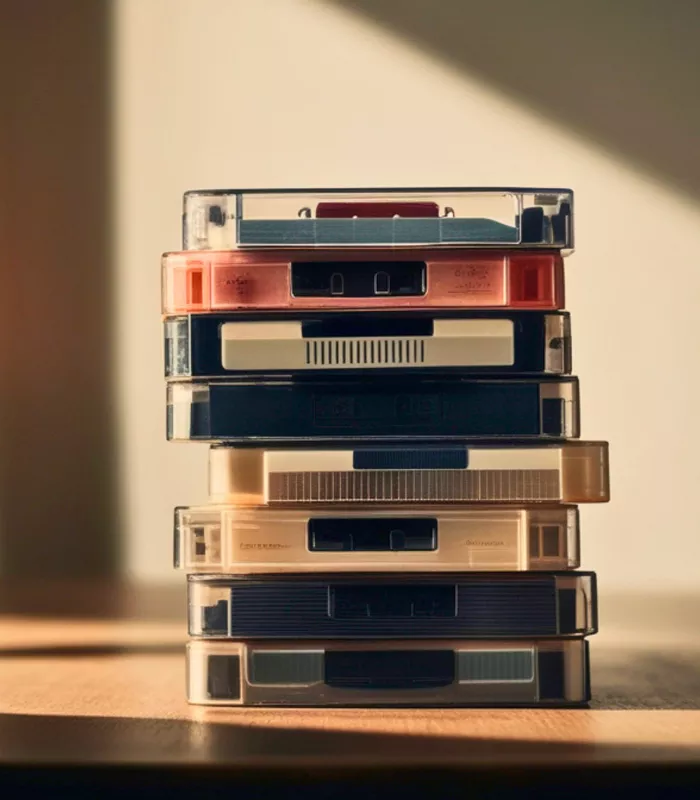
Eight-track tapes promised portable music that you could play in your car.
Bill Lear’s team introduced the format in 1964, and it soon became standard equipment in many new cars.
The format became popular for a few years in the late 1960s and early 1970s.
Tapes often jammed, tangled, and broke without warning in the middle of songs.
The sound quality degraded quickly with each play.
Songs would cut off mid-play and switch tracks at awkward moments.
Cassette tapes quickly replaced eight-tracks because they were more reliable and compact.
| Verdict: Songs Cut Short |
|---|
| A music format that regularly destroys itself and interrupts songs became obsolete almost immediately. |
15. Tab Cola, The Sugar-Free Soda That Outlasted Its Own Taste
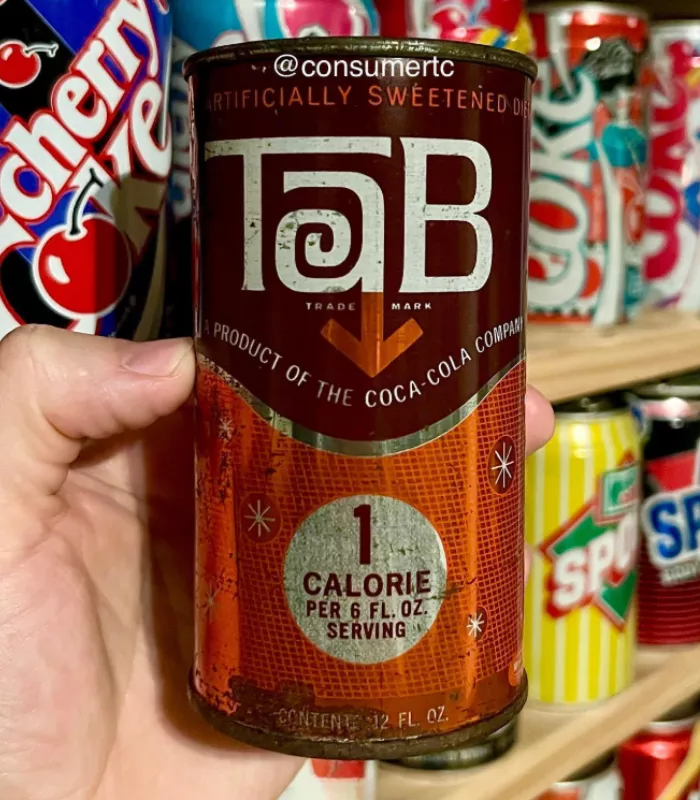
Coca-Cola introduced Tab as their first sugar-free cola in 1963.
Tab’s name reportedly came from a computer program Coca-Cola used to generate short brand names that hadn’t yet been trademarked.
The drink was marketed heavily as a slimmer alternative for women.
Tab had a bitter, metallic taste that most people found unpleasant.
The artificial sweeteners used in Tab, including cyclamate and later saccharin, faced scrutiny and questions about the ingredients.
When Diet Coke launched in 1982, it immediately overshadowed Tab with better taste.
Tab limped along for decades as a niche product before being discontinued in 2020.
| Verdict: Outlasted, Not Outclassed |
|---|
| A sugar-free soda with an unpleasant taste and questionable sweeteners could not compete once better options arrived. |
16. Dippy Canoes Snack Trays, A Boat-Shaped Mess Waiting to Spill
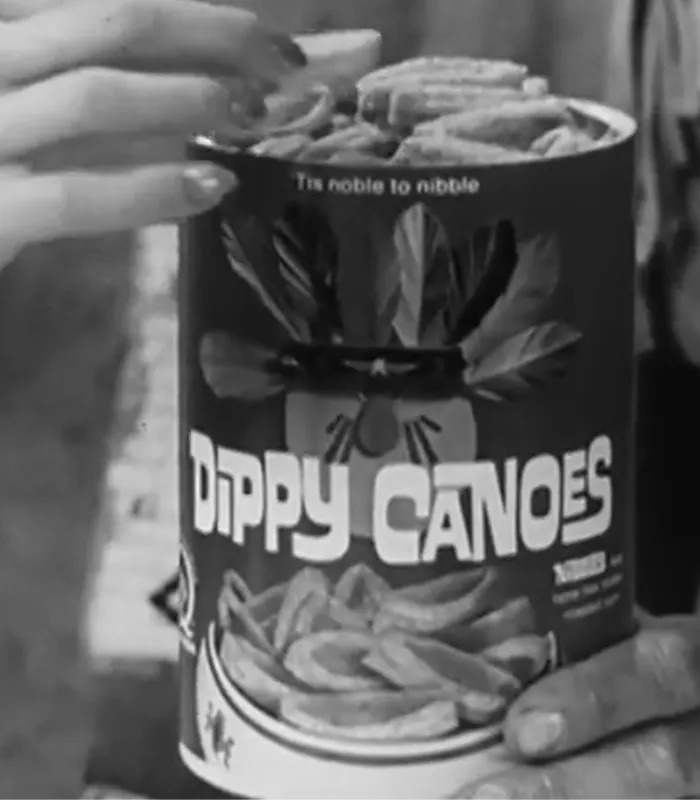
Dippy Canoes featured a boat-shaped plastic tray with chips on one side and dip on the other.
The concept seemed perfect for parties and snacking.
The tray tipped over easily, spilling chips and dip everywhere.
The dip section was too shallow and small, requiring constant refills.
Regular plates and bowls worked better than this gimmicky design.
The novelty wore off after the first time someone spilled dip all over their carpet.
| Verdict: Capsized on the Carpet |
|---|
| A snack tray that spills more food than it holds creates more problems than it solves. |
17. Sinclair Micro FM Radio, Tiny Radio, Nearly Silent Sound
The Embedded Hobbyist
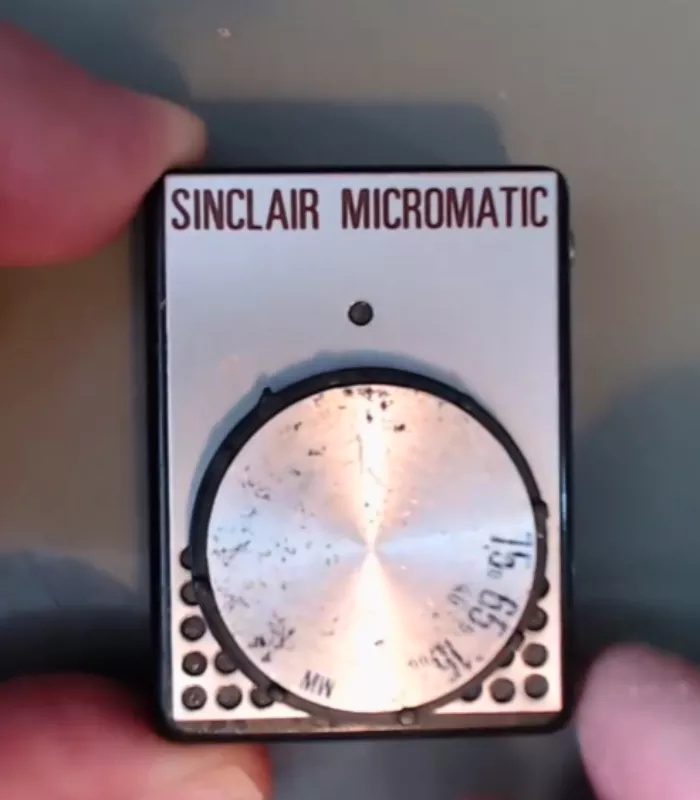
Sinclair released a tiny pocket FM radio that looked futuristic and modern.
The compact size made it seem perfect for taking music on the go.
The sound quality was terrible, with constant static and crackling.
The signal dropped frequently, making it impossible to listen to a full song.
The volume was so weak you could barely hear anything in noisy environments.
Users realized that small size meant nothing if the device could not perform its basic function.
| Verdict: Small Size, Smaller Signal |
|---|
| A radio that cannot pick up clear signals or produce decent sound defeats the entire purpose of a radio. |
18. Studebaker Wagonaire, A Sunroof That Let the Rain In

The Studebaker Wagonaire featured a sliding rear roof section that seemed innovative.
The design allowed you to haul tall items by opening the roof.
The sliding roof leaked constantly during rain, soaking the interior and cargo.
The mechanism broke frequently and was expensive to repair.
Water leaks caused rust and mold problems throughout the vehicle.
The innovative feature became a liability that destroyed the car from the inside out.
| Verdict: Leaked From Day One |
|---|
| A car with a roof that lets rain pour inside is a moving water damage disaster. |
19. AT&T Bell Picturephone, The Future That Cost 16 Dollars a Minute
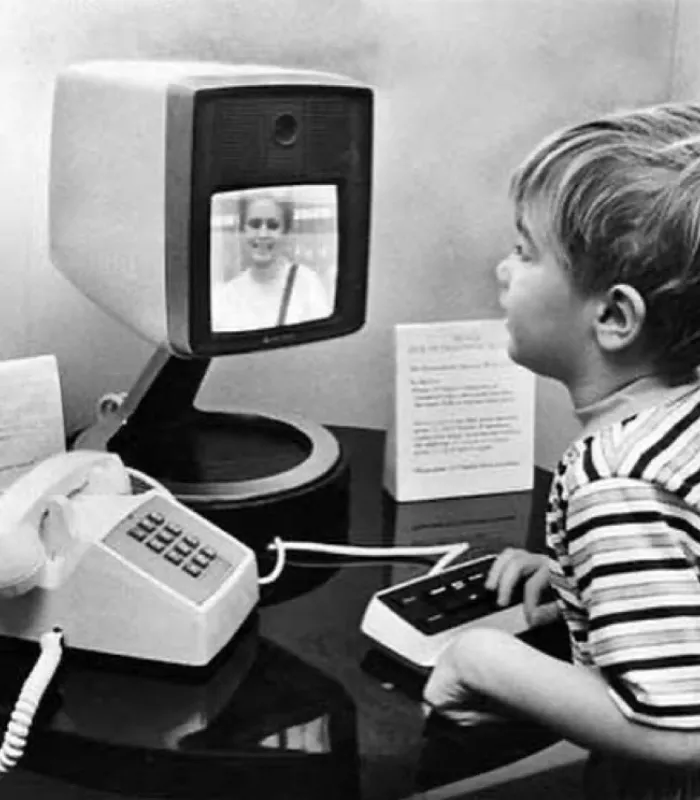
AT&T introduced the Picturephone at the 1964 World’s Fair as the future of communication.
The device promised video calling decades before smartphones existed.
The 1964 demo let fairgoers place calls between the fair’s exhibit in New York and Disneyland in California.
The service was extremely expensive, costing about 16 dollars per minute in today’s money.
The picture quality was grainy and the screen was tiny, making it hard to see the other person.
Very few people could afford the service, limiting who you could actually call.
The technology was ahead of its time but priced so high that it never found an audience.
| Verdict: Priced Out of the Future |
|---|
| A revolutionary technology priced so high that almost nobody could use it was doomed to fail. |