

The items below were once bought as investments, wedding gifts, or proud purchases.
Today heirs open the same boxes and find objects nobody wants to buy, store, or even take for free.
These are nine of the most common inherited items that have lost nearly all of their value.
1. Fine China Sets
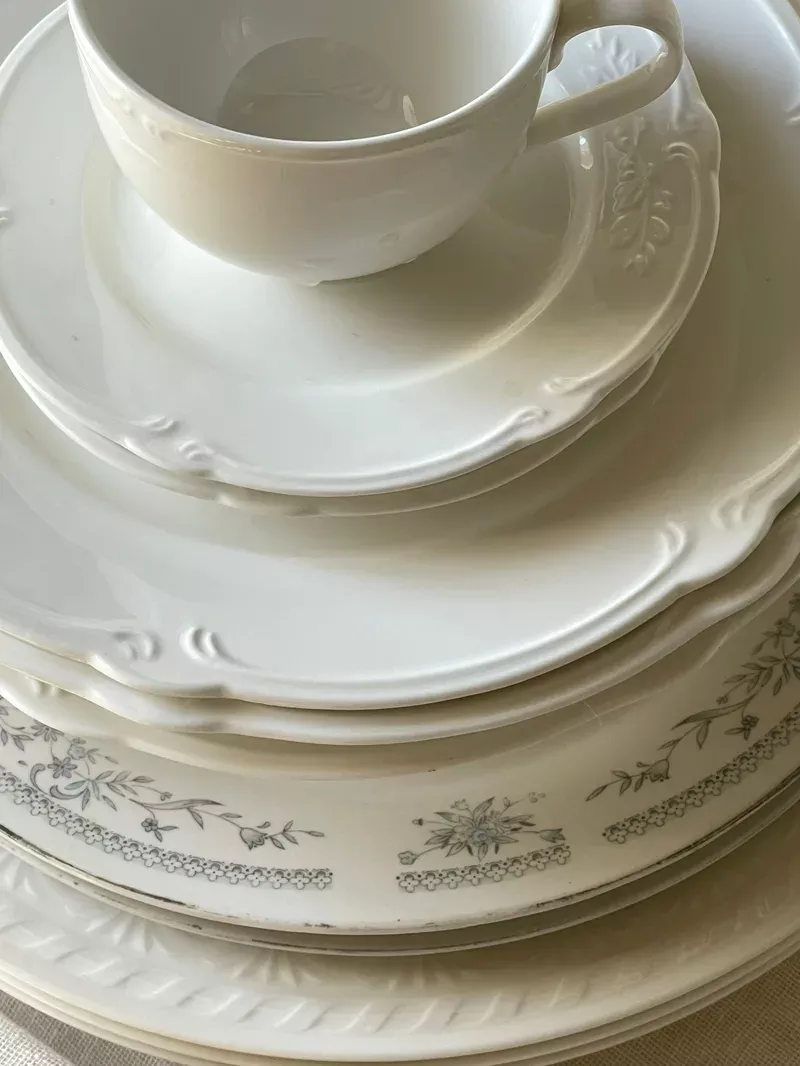
A full china set once sat at the center of every family celebration.
The dishes were too nice for everyday meals, so they stayed behind glass or packed away in a box.
Heirs now inherit the same sets and find no one in the family wants them.
The pieces carry strong memories, but buyers pay very little for a full set.
2. Sterling Silver Flatware
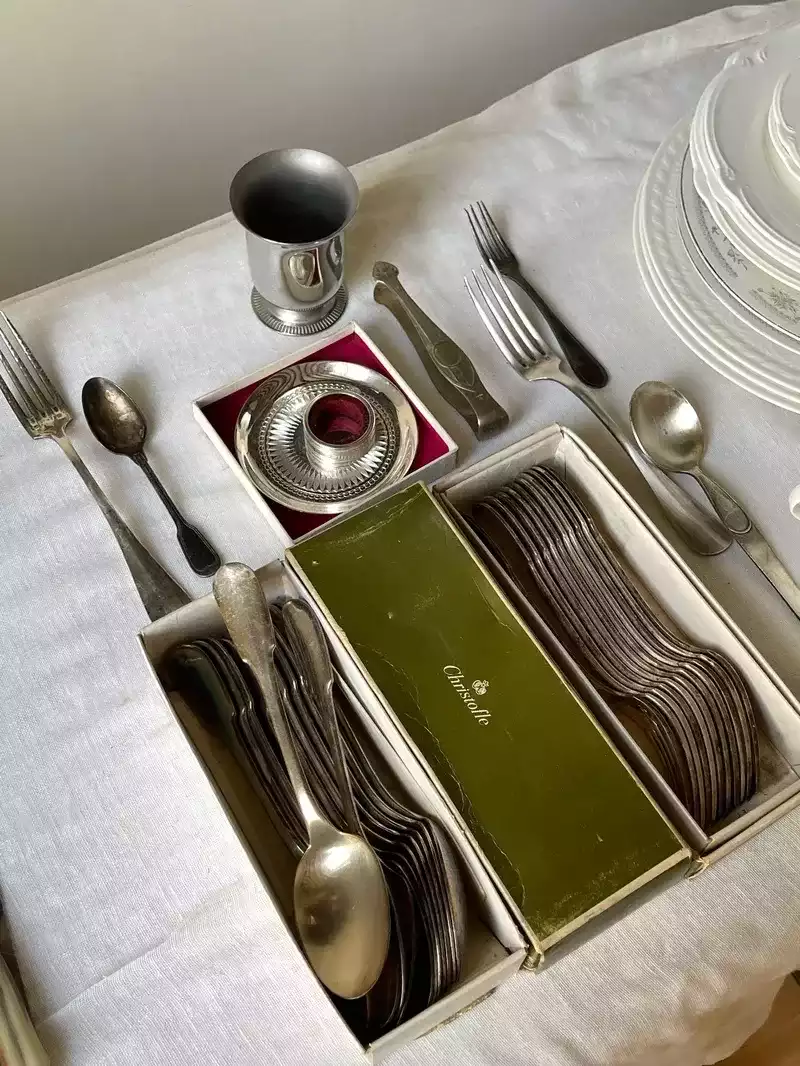
Sterling silver flatware was a wedding gift that marked a new home.
The sets need regular polishing, and few people today keep up with the work.
Many heirs wonder whether the silver is worth keeping or selling.
Most patterns sell for far less than families expect, and younger relatives often pass on the offer.
3. Crystal Stemware
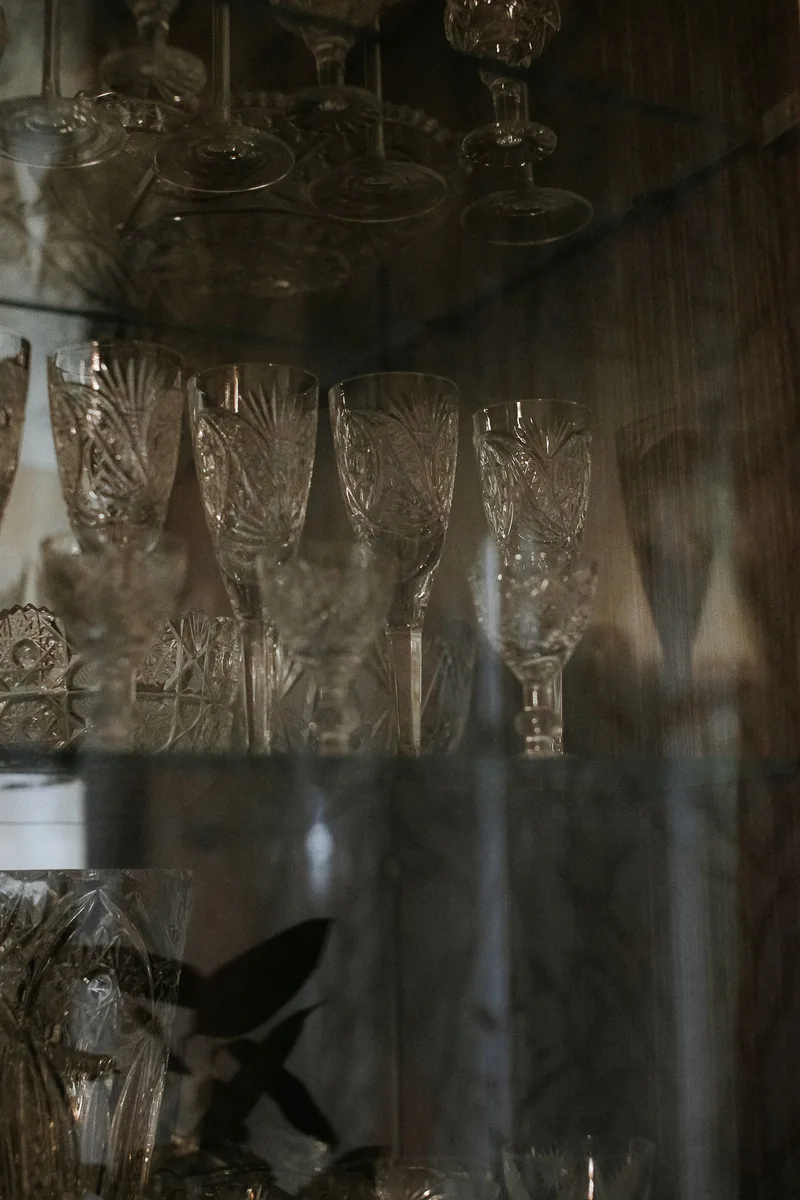
Crystal stemware once filled the china cabinet next to the good dishes.
The glasses are delicate, hard to wash, and easy to chip.
Modern households reach for plain glasses or mason jars instead.
Collectors still admire the cut glass, but buyers pay very little for a set.
4. Porcelain Dolls
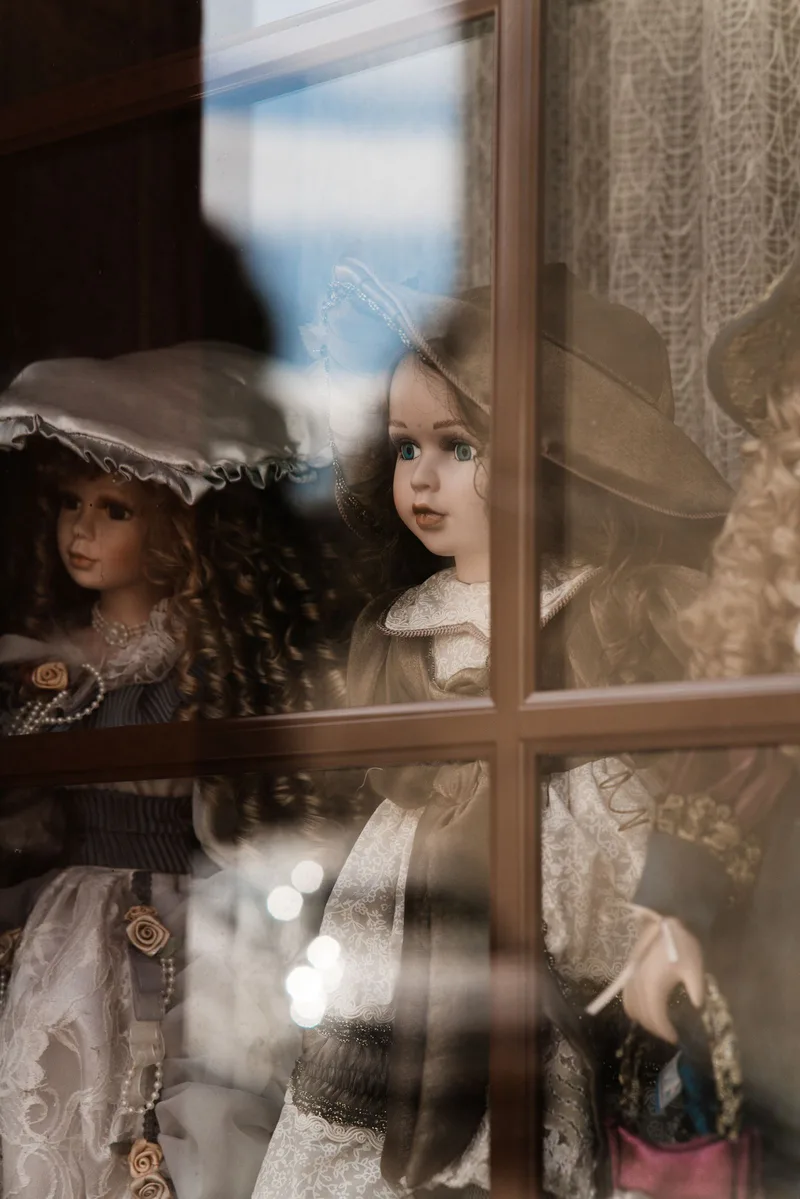
Porcelain dolls were bought as collectibles and kept in boxes for decades.
The mass-produced dolls from the 1980s and 2000s flooded the market.
Owners now find the dolls sell for a few dollars, if they sell at all.
The value lives in the memory of the person who collected them, not in the price tag.
5. Upright Pianos
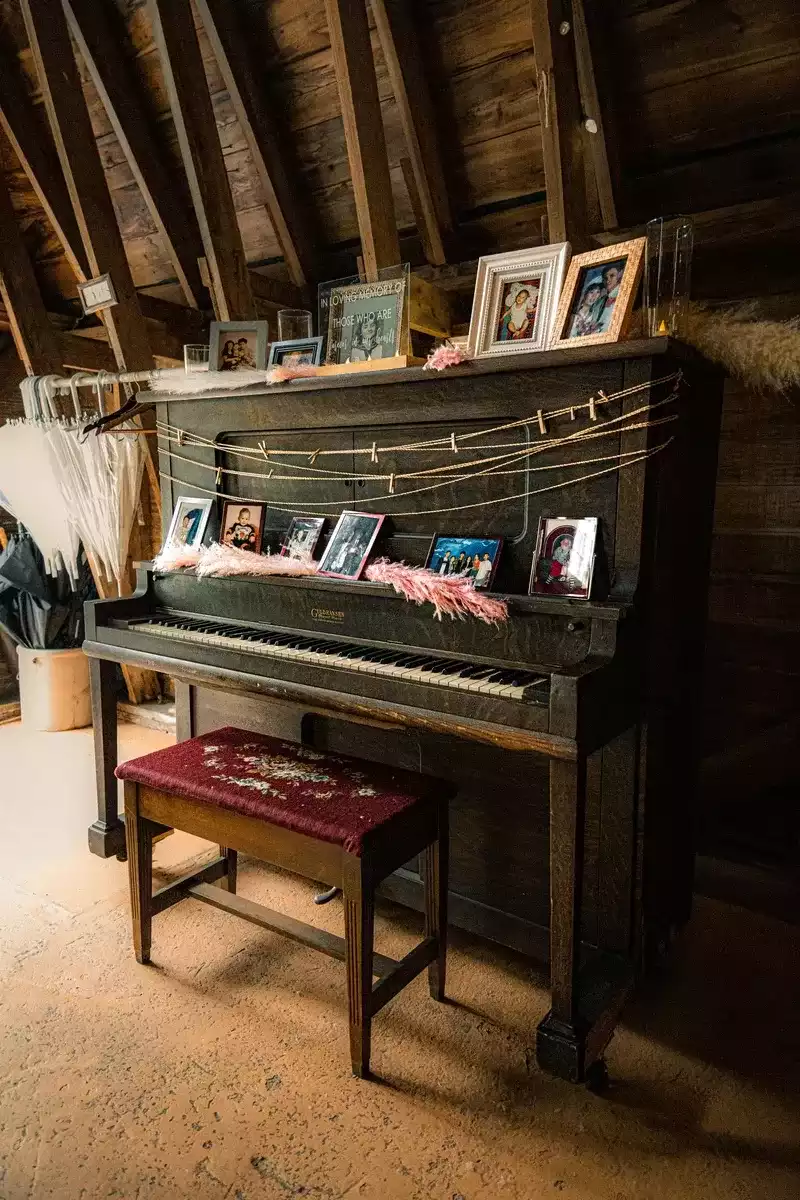
An upright piano once anchored the living room and the family singalong.
The instruments are heavy, hard to move, and expensive to tune.
Thrift stores and charities now turn piano donations away.
Families often face the cost of hauling one out, and few buyers want the trouble.
6. Encyclopedia Sets
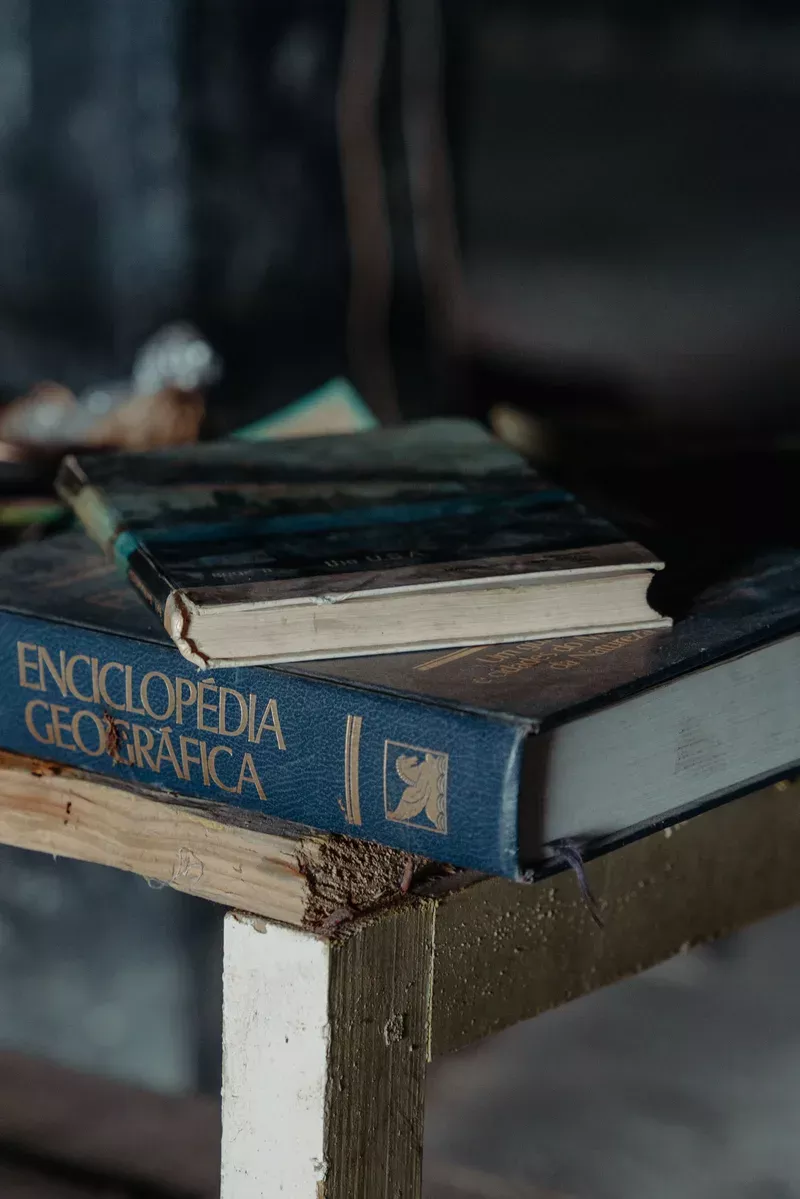
A full encyclopedia set was a proud purchase and a sign of a home that valued learning.
The books cost a great deal when they were new.
Today the same information sits on a phone, and the volumes gather dust.
Libraries and thrift stores refuse old sets, so heirs struggle to give them away.
7. Silver Tea and Coffee Service
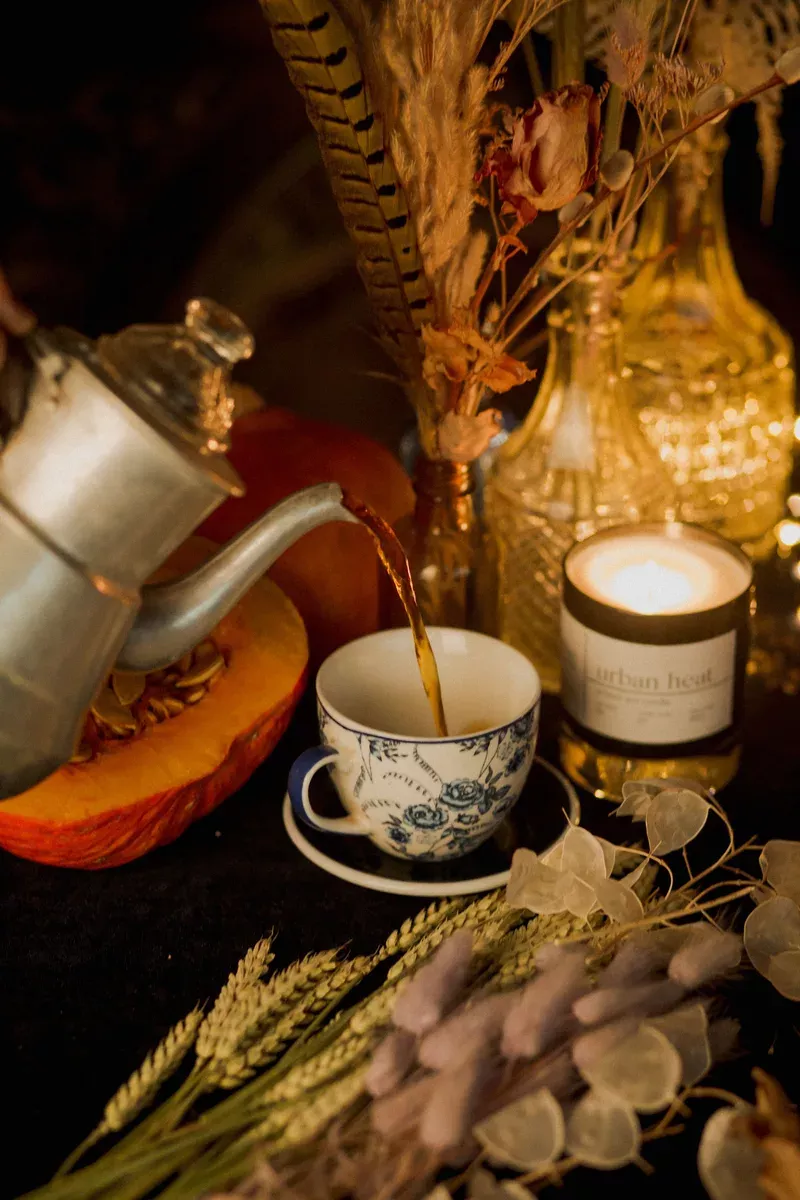
A silver tea and coffee service was the showpiece of a formal home.
The trays, pitchers, and coffee pot came out for holidays and special guests.
The pieces tarnish fast, and polishing a whole set takes hours.
Many families keep the service in a bin or a closet, and the next generation rarely asks for it.
8. Vintage Singer Sewing Machines
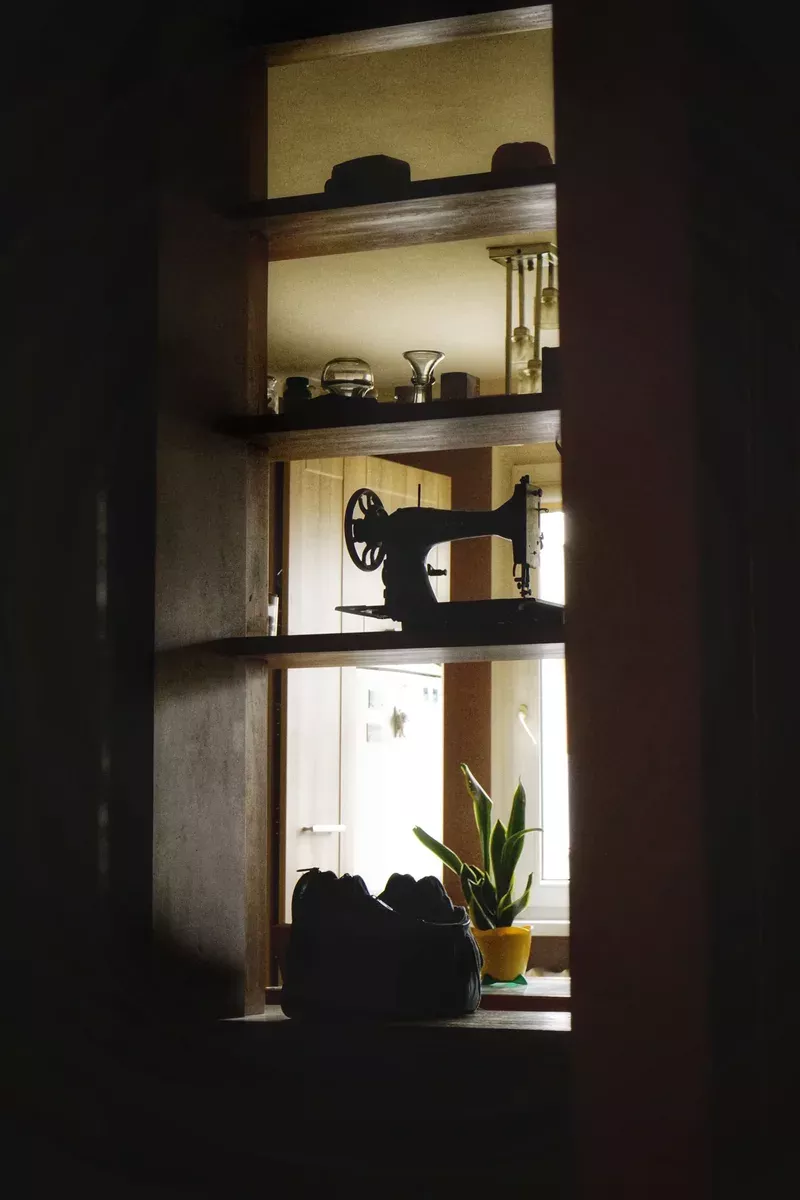
A Singer sewing machine was a workhorse that lasted for generations.
The all metal machines still sew well, and owners praise the solid build.
The problem is value, since most models sell for fifty to one hundred fifty dollars at best.
A broken machine from an estate cleanout is often worth more as a gift or a donation than as a sale.
9. Decorative Collector Plates
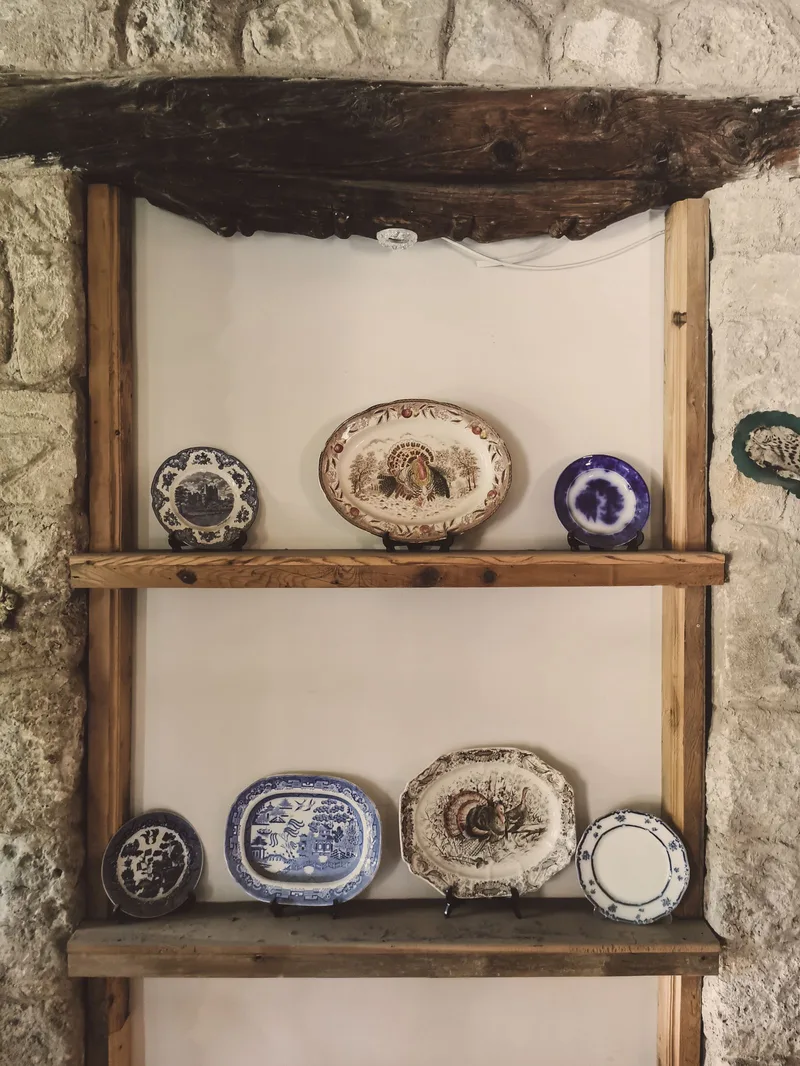
Collector plates were sold as investments that would only grow in value.
Franklin Mint and Precious Moments plates filled cabinets across the country.
The plates were made in huge numbers, so the market is flooded.
A plate that cost twenty-five dollars then often sells for ten dollars or less now.