

If every car lived up to its commercials, we would all be driving through empty mountain roads in slow motion with great hair.
Reality, as usual, has other plans.
Some of the most celebrated cars of the last two decades have disappointed real owners in ways the brochure never mentioned.
Hype is free. Ownership costs are not.
1. Dodge Charger
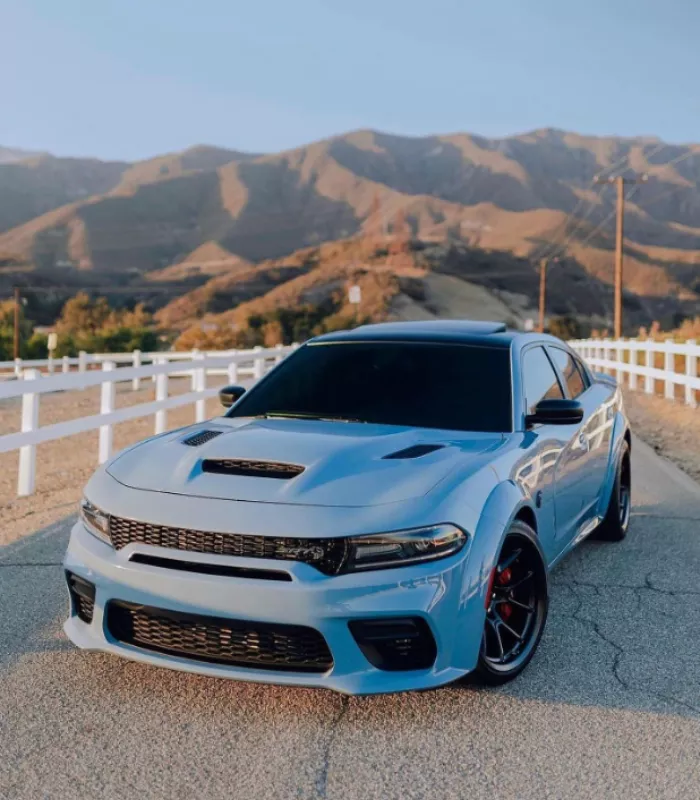
The Dodge Charger sounds exciting on paper.
Big engine. Loud exhaust. Muscle car looks.
But here’s the catch — it guzzles gas like there’s no tomorrow. The V8 version averages just 15 mpg in the city. That adds up fast at the pump.
Maintenance costs are also higher than most people expect going in.
The ride is stiff, and road noise on the highway can wear on you after a while.
For a daily driver, there are far more comfortable and efficient options in the same price range.
Why It’s On This List: It promises muscle car thrills but delivers poor fuel economy, a stiff ride, and a backseat that feels like a punishment.
2. Tesla Model 3
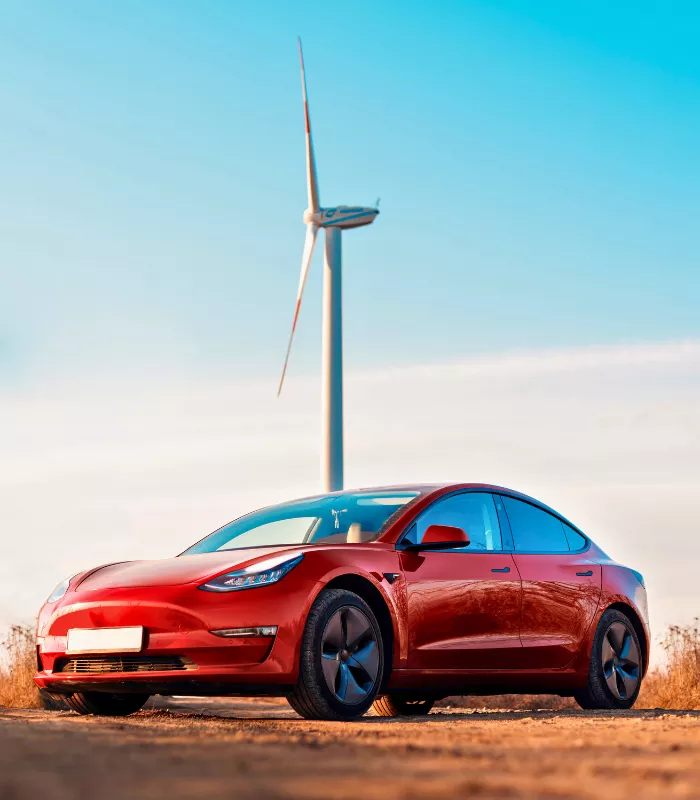
Everyone talks about the Tesla Model 3 as if it walks on water.
Yes, it is electric and quick off the line.
But the build quality has been a long-standing complaint. Panels that do not line up. Seats that wear out early. And repairs that cost a small fortune.
Charging on a long road trip is still an adventure, and not always a fun one.
Customer service experiences have been hit or miss for many owners across the country.
For drivers over 50 who value simplicity and dependability, the ownership experience can feel more stressful than satisfying.
Why It’s On This List: The hype far outpaces the real-world ownership experience for many drivers over 50 who just want a reliable, well-built car.
3. BMW 3 Series
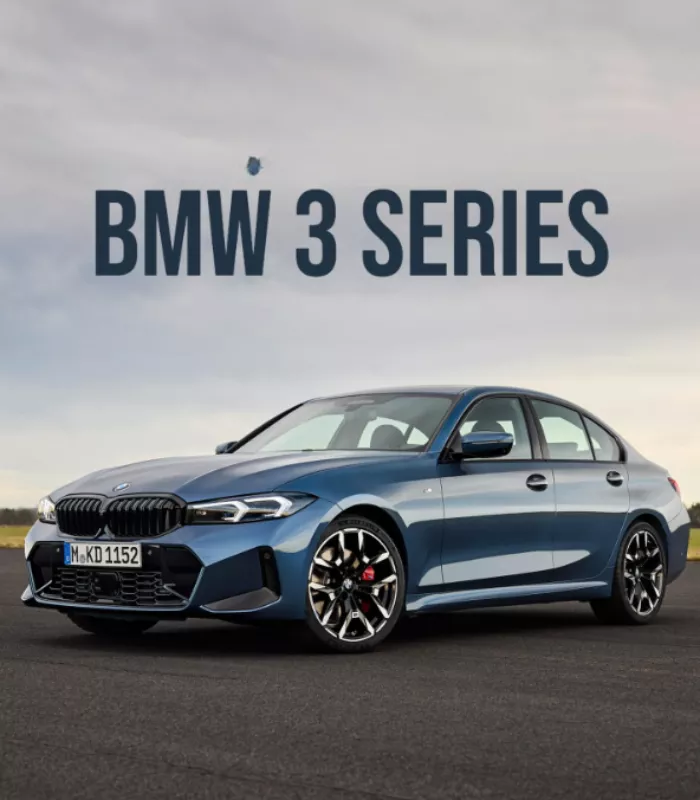
The BMW 3 Series has been called the “ultimate driving machine” for decades.
That used to mean something.
Today, it is loaded with complicated tech, expensive repairs, and a price tag that climbs fast once you start adding options. You’re better off looking at a Lexus or Acura for the same money.
The infotainment system alone has a learning curve that would frustrate a tech professor.
Out-of-warranty repair bills on a BMW 3 Series can easily run into the thousands for what seem like minor issues.
The driving feel, once the crown jewel of the lineup, has softened considerably in recent generations.
Why It’s On This List: Reliability rankings have slipped while ownership costs have soared. The badge costs more than the car deserves.
4. Jeep Wrangler

The Jeep Wrangler is one of the most recognized vehicles on the road.
People love the rugged look.
But most Wranglers never leave the pavement. They are loud, rough to drive on highways, and get around 17 mpg. That’s a lot of noise and fuel for a trip to the grocery store.
Wind noise at highway speed is a constant companion that no amount of price hikes has fixed.
The doors and roof panels that make it look adventurous are a genuine hassle to remove and store.
Once the novelty wears off, many owners quietly admit they wish they had bought something more practical.
Why It’s On This List: Studies show fewer than 10% of Wrangler owners ever take them off-road regularly. It is more costume than car.
5. Ford Mustang
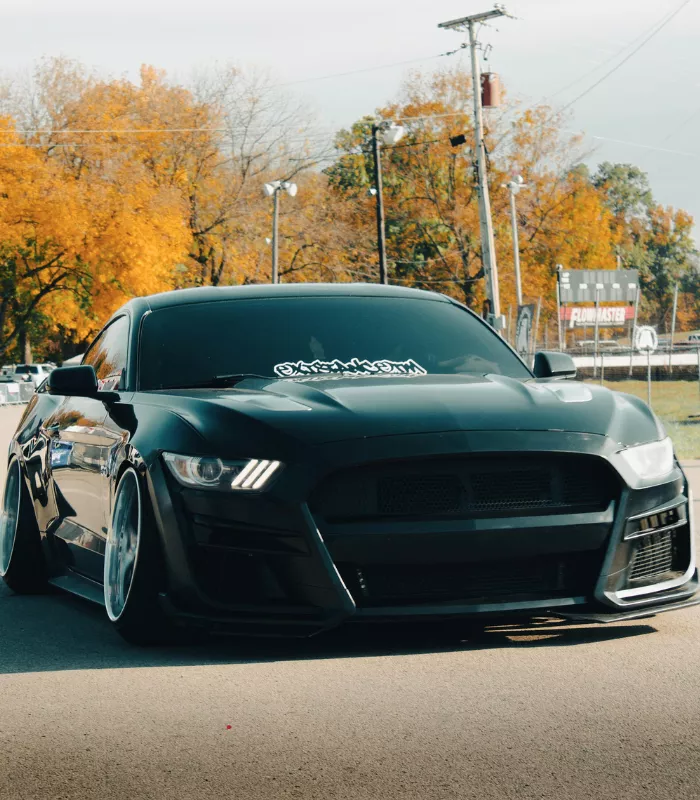
The Ford Mustang is an American icon.
That much is true.
But icons do not always age well. The rear seat is nearly unusable. The handling can catch you off guard. And younger buyers have pushed dealerships to mark prices way up. That’s why so many buyers end up feeling a little let down after the honeymoon period.
The trunk space is modest at best, making it a tough sell as any kind of practical car.
Visibility out of the rear is limited, which makes everyday driving in traffic more stressful than it should be.
After a few months, the novelty of the roar fades, and what you are left with is a cramped car at a premium price.
Why It’s On This List: The Mustang’s legend is bigger than its real-world comfort and practicality, especially for drivers looking for a daily driver.
6. Range Rover
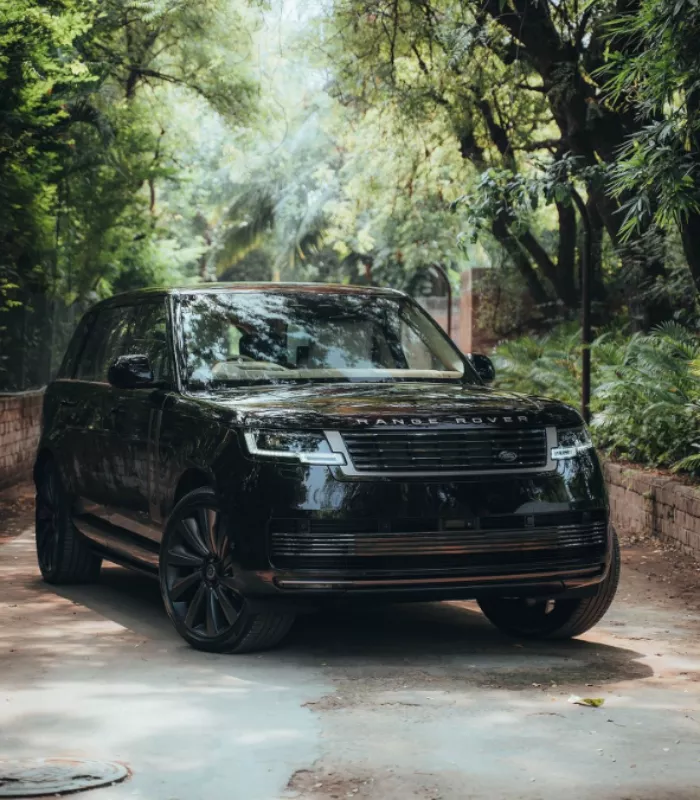
Range Rover screams luxury and status.
The price certainly backs that up, starting well over $100,000 for most trims.
But here’s the deal — reliability surveys have ranked Range Rover near the bottom for years. Repair costs are among the highest of any brand. Owning one long-term can feel like a second mortgage.
Electrical issues, air suspension failures, and coolant problems show up with unsettling regularity in owner forums.
Depreciation hits hard, too, with many models losing a significant chunk of value within the first three years.
It is a car that impresses everyone except the person paying the bills.
Why It’s On This List: Consumer Reports and J.D. Power have repeatedly flagged Range Rover for below-average dependability. The glamour fades fast when it is in the shop.
7. Audi A4
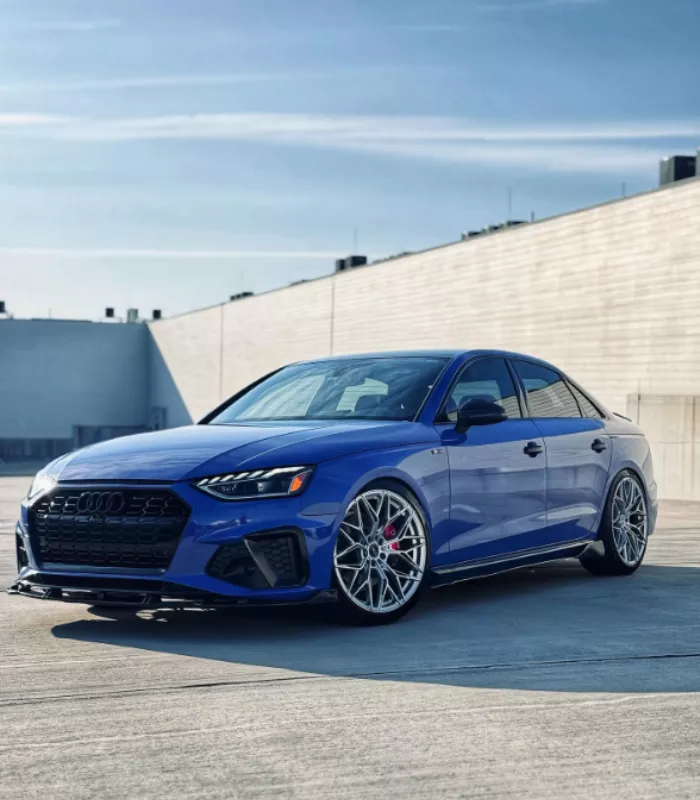
The Audi A4 looks refined and feels premium inside.
It is easy to see why people are drawn to it.
But the cost of ownership tells a different story. Oil changes, timing chain services, and electrical gremlins can turn this car into a money pit after 60,000 miles. I made a classic mistake once, recommending it to a friend without checking long-term repair costs first.
Audi parts and labor at a dealership are priced at a level that surprises most first-time owners.
Many owners also report that warning lights appear frequently, leading to repeated diagnostic visits that drain both time and money.
The A4 is a car that rewards you in the showroom and quietly punishes you in the service bay.
Why It’s On This List: The A4 regularly ranks in the top 10 most expensive cars to maintain. That premium feel comes with a premium repair bill.
8. Chevrolet Camaro
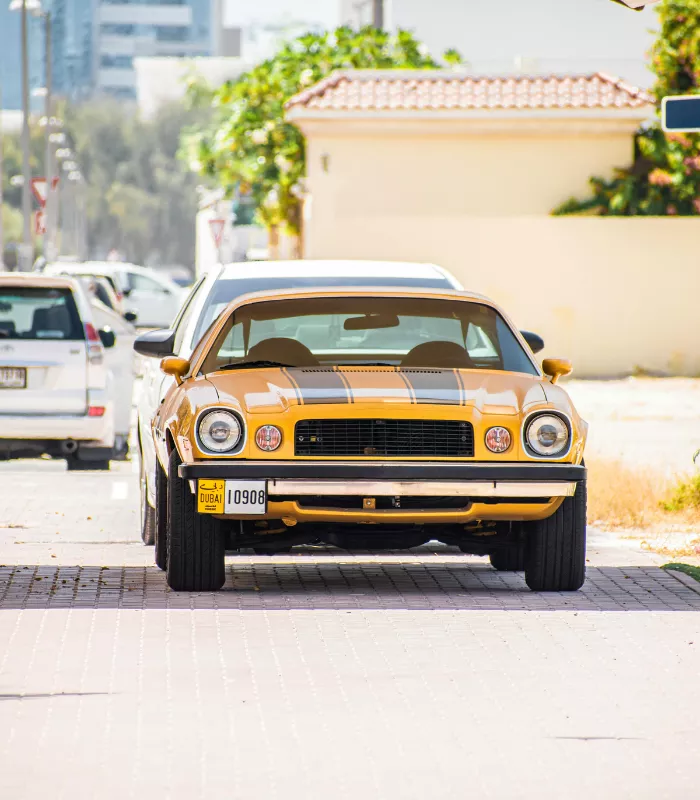
The Camaro looks like it means business.
Wide body. Bold styling. Available V8 power.
But step inside and things go downhill. Visibility out of the back window is terrible. The rear seat barely fits children. And for many drivers, the stiff suspension makes everyday driving more work than fun.
Getting in and out of the low seating position becomes less charming with every passing year.
The infotainment screen placement is awkward, forcing the driver to look down and away from the road more than feels safe.
It is a car designed for a magazine photo shoot, not for the realities of daily life.
Why It’s On This List: Consumer satisfaction scores for the Camaro have trailed its rival, the Mustang, for years. Looking tough is not the same as being practical.
9. Volkswagen Golf GTI
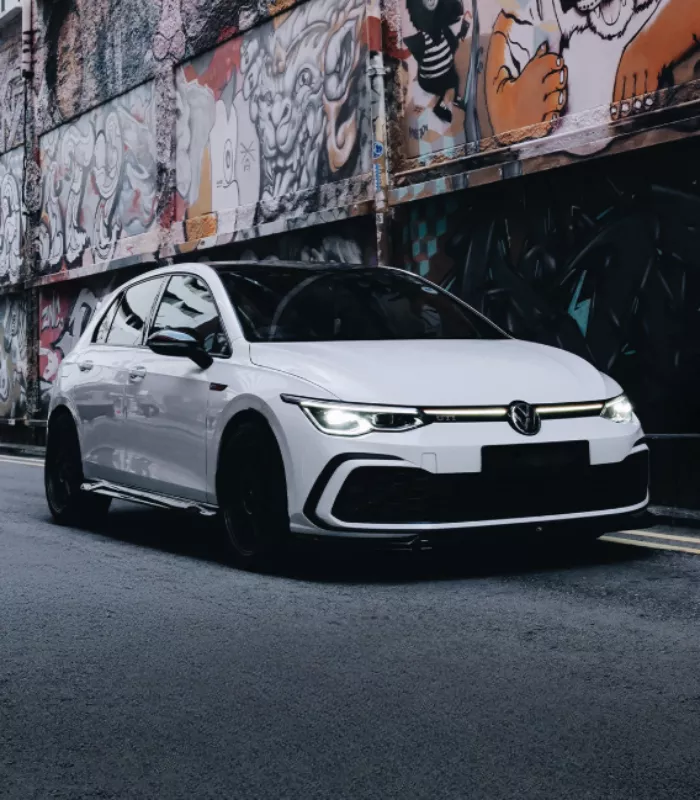
The GTI has a die-hard fanbase that will argue all day for it.
It is fun to drive. No argument there.
But it has also developed a reputation for costly repairs and electrical issues as it ages. For drivers over 50 who want peace of mind, a Honda Civic Si or Toyota GR Corolla offers similar thrills with fewer headaches.
The DSG dual-clutch transmission, while clever in theory, has been a source of expensive repairs for many owners past the warranty period.
VW dealership service costs are consistently higher than comparable Japanese brands, which adds up quickly over several years of ownership.
There is a reason seasoned car buyers often say they admire the GTI from afar rather than owning one.
Why It’s On This List: VW’s repair costs average 34% higher than the industry norm, according to long-term ownership surveys. The fun fades when the bills arrive.
10. Mercedes-Benz C-Class
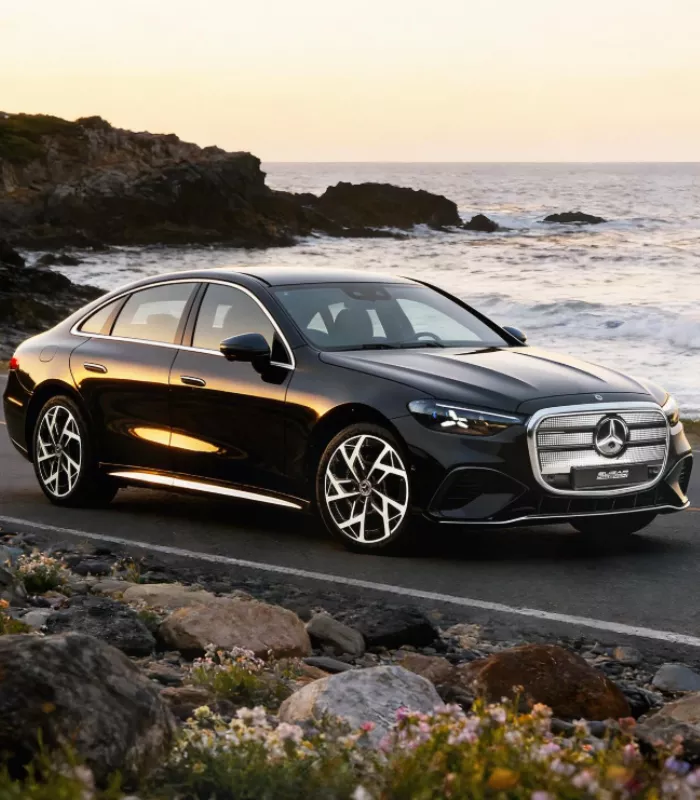
The Mercedes-Benz C-Class is a status symbol for millions of buyers.
The three-pointed star on the hood carries real prestige.
But newer C-Class models have drawn complaints about a cluttered touchscreen system and a firm ride that surprises buyers expecting cloud-like comfort. You’re better off in a Lexus ES if smooth, quiet, and reliable is what you want.
The MBUX infotainment system, while visually impressive, has frustrated many drivers who simply want a straightforward experience behind the wheel.
Out-of-warranty repair costs on a C-Class are a rude awakening for buyers who did not factor them into the total cost of ownership.
The star on the hood is real. The reliability that used to come with it is harder to find these days.
Why It’s On This List: The C-Class ranks below average in reliability in multiple years of J.D. Power studies, and the technology learning curve frustrates many older drivers.
11. Ford Bronco
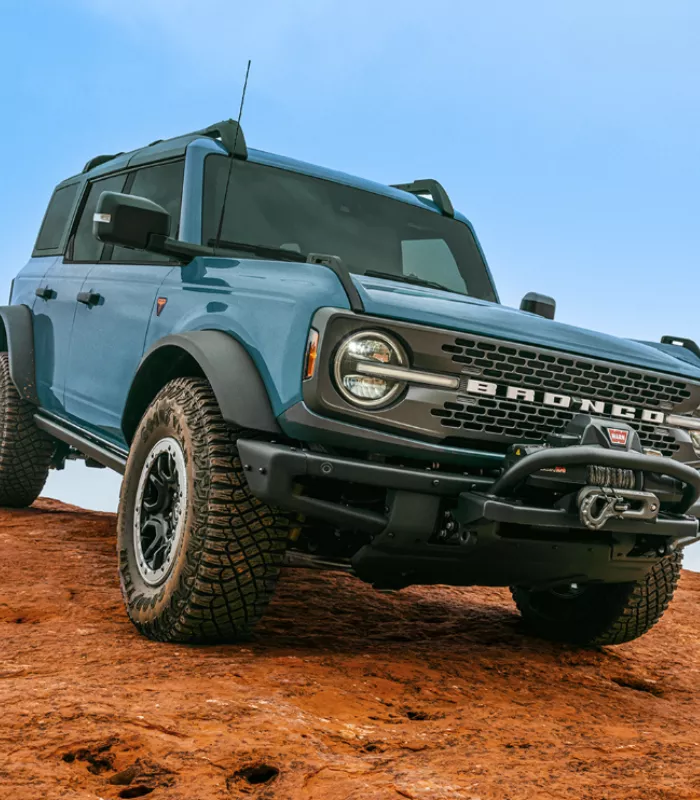
The Ford Bronco came back with a ton of fanfare.
Retro looks. Off-road promise. Massive waiting lists when it launched.
But here’s the deal — years of production delays, reported quality issues, and dealer markups left many buyers frustrated long before they even got the keys. Most Broncos, like Wranglers, never leave the pavement anyway.
Top seal leaks and soft top quality issues were among the earliest and most common complaints from new owners.
Dealer markups at launch pushed many buyers thousands of dollars over the sticker price for a vehicle that did not always live up to expectations.
Nostalgia is a powerful thing, but it does not fix a leaky roof or justify a $10,000 dealer markup.
Why It’s On This List: Automotive communities consistently vote the Bronco among the most overhyped vehicles, noting the hype exceeded the actual product by a wide margin.
12. Tesla Cybertruck
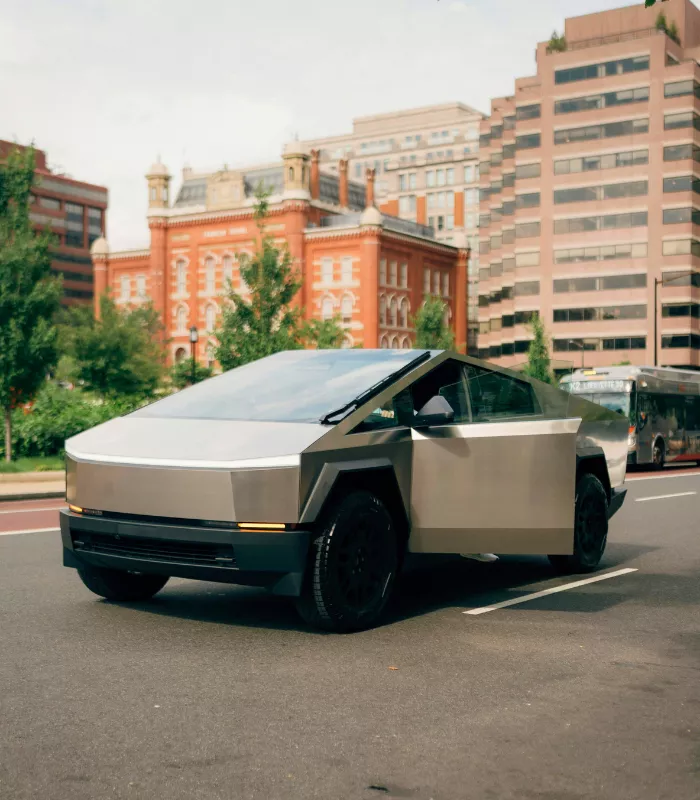
The Cybertruck was supposed to change everything.
Stainless steel body. Futuristic design. Years of buildup.
That’s why the disappointment hit so hard. It has faced multiple recalls, including issues with stuck accelerator pedals and failing windshield wipers. For drivers who just want a dependable truck, there are far better options sitting right at the dealership.
The stainless steel body, while visually striking, is prone to dents and scratches in ways that are difficult and expensive to repair.
Owners have reported that the sheer size of the Cybertruck makes it awkward to maneuver in parking lots and tight city streets.
When a vehicle needs multiple recalls before its first birthday, that is a sign the product was released before it was ready.
Why It’s On This List: The Cybertruck has been recalled multiple times since launch. Bold design cannot make up for serious reliability and safety concerns.
13. Maserati Ghibli
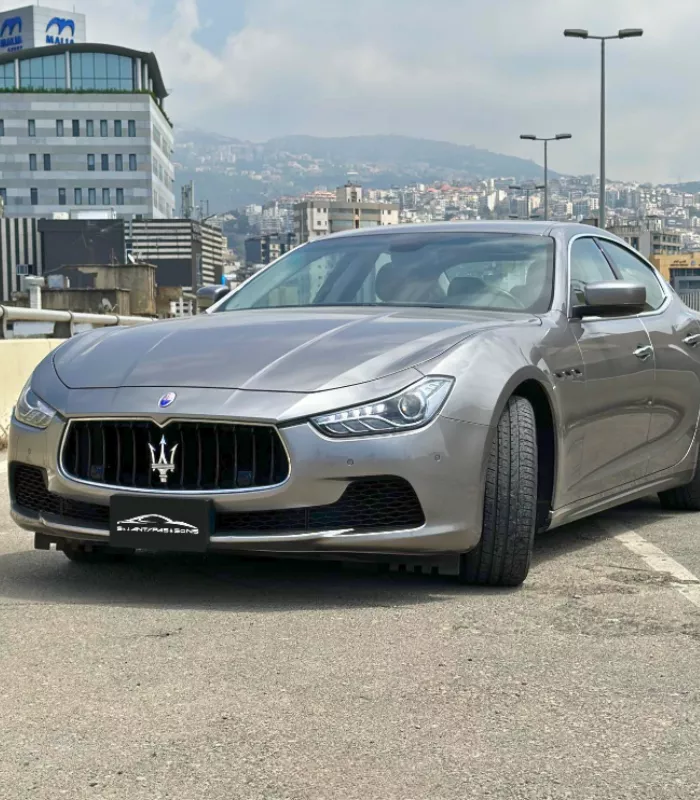
The Maserati Ghibli looks like a million bucks.
The name alone turns heads at any valet stand.
But Maseratis are well known for dropping sharply in value — some models lose over 60% of their value in just five years. Electrical gremlins and high repair costs follow many owners, even on low-mileage examples. You’re better off buying a used Porsche Panamera if you want European style with fewer headaches.
Finding a qualified Maserati technician outside of a major city is a challenge that many owners do not anticipate when they sign the paperwork.
The interior, while attractive when new, has been criticized for using materials that do not hold up as well as competitors in the same price bracket.
Paying a premium to own something that requires premium patience is not a trade most experienced buyers are willing to make twice.
Why It’s On This List: A Maserati that starts at $80,000 new can drop to $20,000 in just a few years. The prestige fades fast. The repair bills do not.
14. Audi Q7
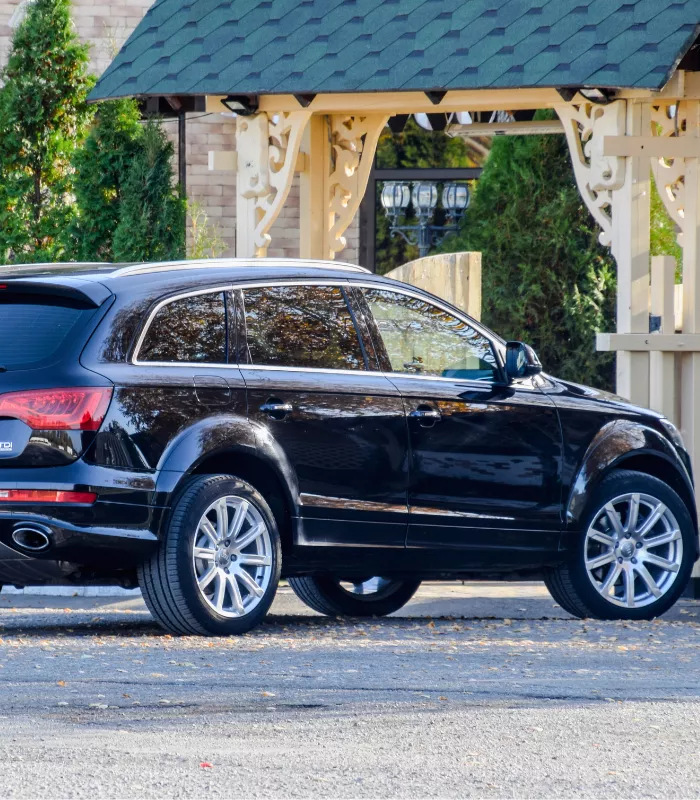
The Audi Q7 is a large, handsome luxury SUV that looks great in any driveway.
Three rows of seating. Premium interior. A badge people recognize.
But consumer watchdog groups have flagged persistent suspension problems, brake issues, and electrical system malfunctions. The National Highway Traffic Safety Administration has also logged multiple complaints about engine failures across the model’s history. That is a lot of worry for a car that costs this much.
The third row, which sounds like a great selling point, is realistically only comfortable for small children on short trips.
Audi’s air suspension system on the Q7 has been a repeat offender in owner complaints, with repair costs that can run into the thousands.
A luxury SUV should bring comfort and confidence, not a growing list of service appointments.
Why It’s On This List: The Q7’s repair history and reliability scores make it one of the riskier luxury SUV buys, especially for buyers who want long-term peace of mind.
15. BMW iX
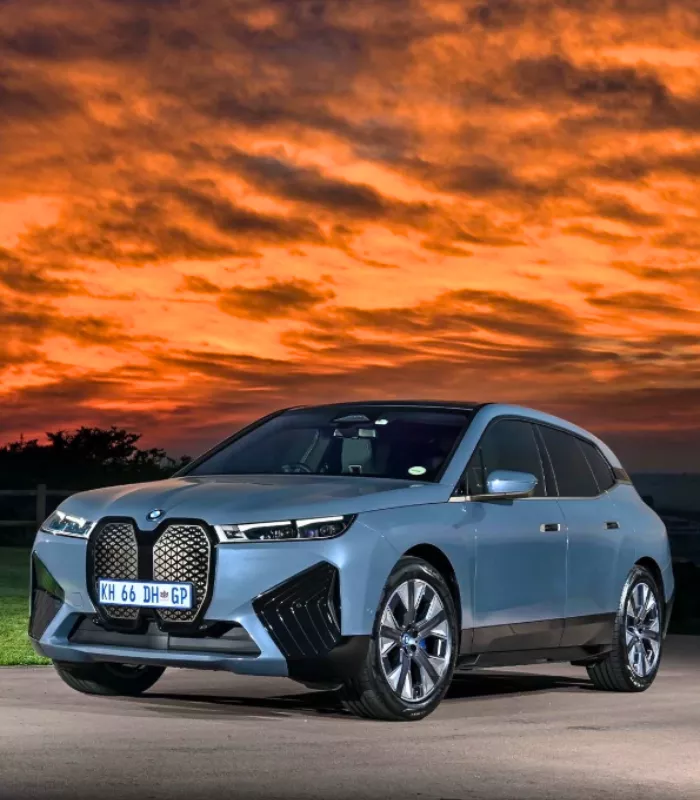
BMW’s flagship electric SUV carries a very bold design and a very bold price tag.
It promises the best of both worlds — luxury and green technology.
But reliability surveys tell a different story. Around 33% of iX owners reported problems in one major survey, including serious issues with the EV battery, electric motor, and infotainment system. Nearly two thirds of affected cars could not be driven until repaired, and many were off the road for over a week.
For a vehicle that starts at over $80,000, that level of unreliability is genuinely hard to defend.
Software glitches have also been a recurring frustration, with some owners reporting that features stop working without warning and require dealer visits to resolve.
Spending luxury money should buy luxury peace of mind, and the iX does not consistently deliver that.
Why It’s On This List: When nearly 1 in 3 owners reports a problem on an expensive new car, that is not a minor issue. The iX asks for a lot of trust and does not always earn it.