

Not every town with a beach, cheap tacos, and a sunset is actually a good place to live.
Mexico is a big country. Like, really big. It has 31 states, two coastlines, and an almost unlimited number of ways for a retiree to make a very avoidable real estate mistake.
Some towns look stunning in a YouTube thumbnail.
Then you move there and discover the “charming cobblestone streets” destroy your knees, and the “vibrant nightlife” starts at midnight.
A great vacation spot and a great place to grow old are almost never the same address.
1. San Felipe, Baja California
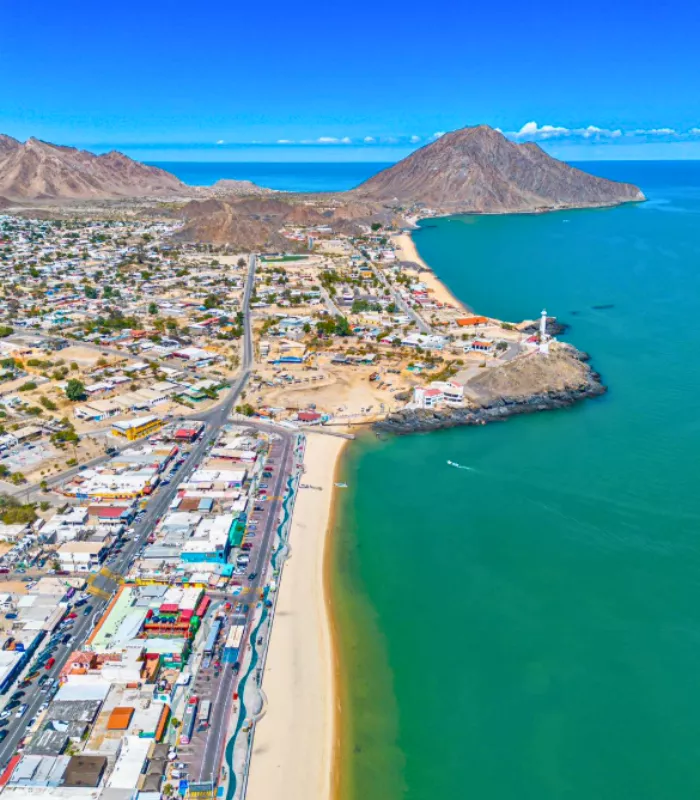
San Felipe sits on the Gulf of California and gets a lot of hype from weekend visitors.
But here’s the catch: it is mostly a party town for college students and off-road racing fans.
The Baja 500 race brings noise, dust, and crowds every year. That is fun for a weekend. Not so much for retirement.
Healthcare is very limited. The nearest major hospital is over 2 hours away in Mexicali.
The internet and infrastructure are unreliable, making remote work or telehealth visits a real challenge.
Summer temperatures regularly hit 110 degrees Fahrenheit. The town nearly shuts down in the heat.
Groceries and imported goods cost more here than in larger Mexican cities. Supply chains are thin.
The expat community is small and mostly seasonal. You may find yourself very alone come September.
Why It’s On This List: San Felipe scores among the lowest in expat satisfaction surveys, with poor connectivity, limited medical care, and a party-town vibe that does not suit most retirees over 50.
2. Manzanillo, Colima
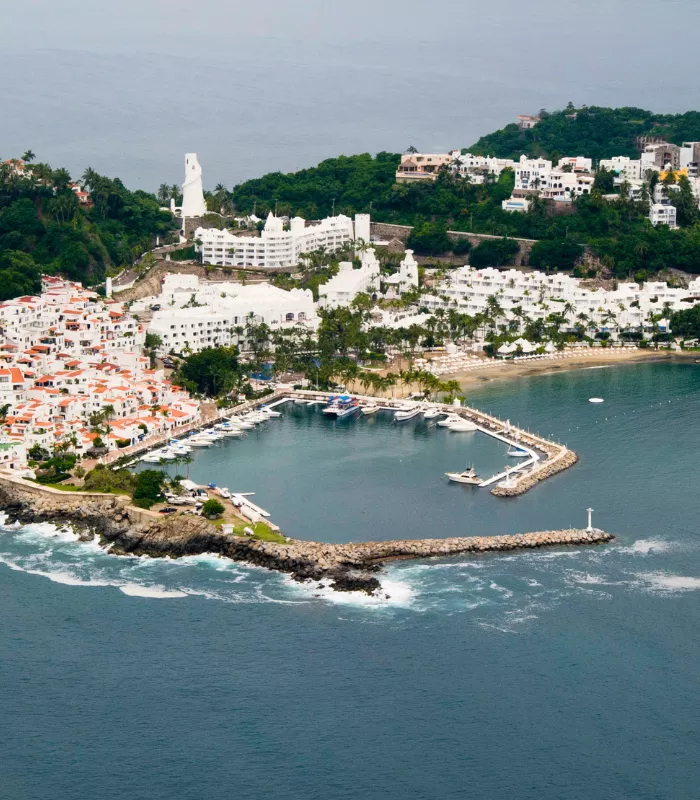
Manzanillo was once a glamorous resort town. The 1979 movie “10” was filmed here.
Those glory days are long gone. Today, it is primarily a working cargo port.
Air connections are poor. Only a handful of seasonal flights link it to the U.S. or Canada.
Colima state has also faced serious security concerns in recent years, landing on travel advisories from both the U.S. and Canadian governments.
You’re better off choosing a coastal town with stronger infrastructure and safer surroundings.
The port traffic means constant truck noise and industrial activity near most residential areas.
Dining and entertainment options aimed at retirees are very limited compared to other Pacific coast towns.
English-speaking medical professionals are hard to find, which is a serious concern for anyone managing ongoing health conditions.
Why It’s On This List: Limited flights, a heavy industrial port atmosphere, and elevated safety concerns make Manzanillo one of the least recommended spots for expat retirement in Mexico.
3. Acapulco, Guerrero
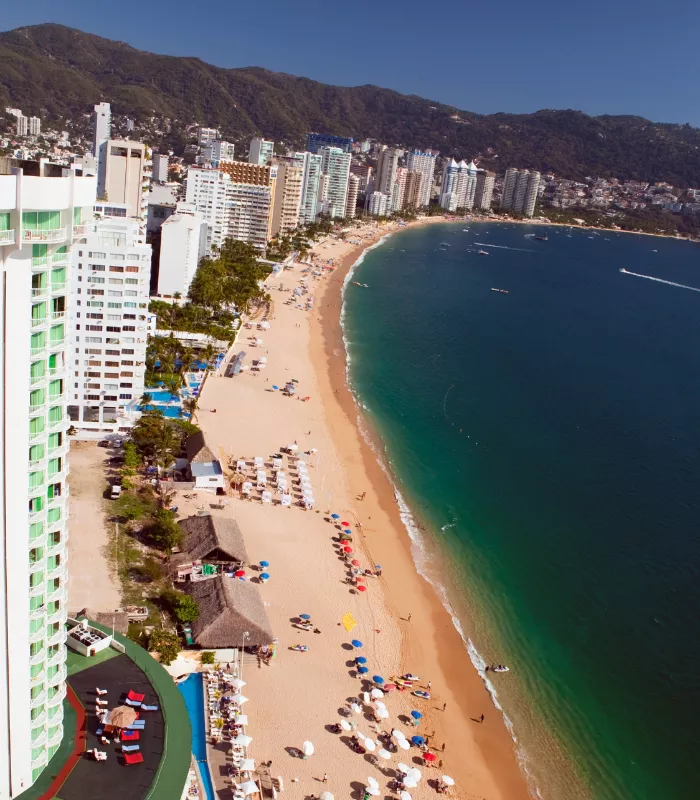
Acapulco was the jewel of Mexican tourism in the 1950s and 1960s. Frank Sinatra and John Wayne loved it.
Today, it tells a very different story. The city has struggled with serious crime and cartel activity for over a decade.
In 2023, Hurricane Otis made a direct hit on Acapulco as a Category 5 storm. It destroyed roughly 80 percent of the city’s hotels and infrastructure.
Recovery has been slow and uneven. Many businesses never reopened.
That’s why most expat relocation experts now leave Acapulco completely off their recommended lists.
Property values collapsed after the hurricane, and while prices look tempting, the risk is still very real.
Basic services like clean water and reliable electricity remain inconsistent in many neighborhoods.
The U.S. State Department maintains a Do Not Travel advisory for Guerrero state as of 2025.
Why It’s On This List: A combination of long-standing security issues and catastrophic hurricane damage in 2023 makes Acapulco a very risky choice for retirees looking for a stable, comfortable home base.
4. Tepic, Nayarit
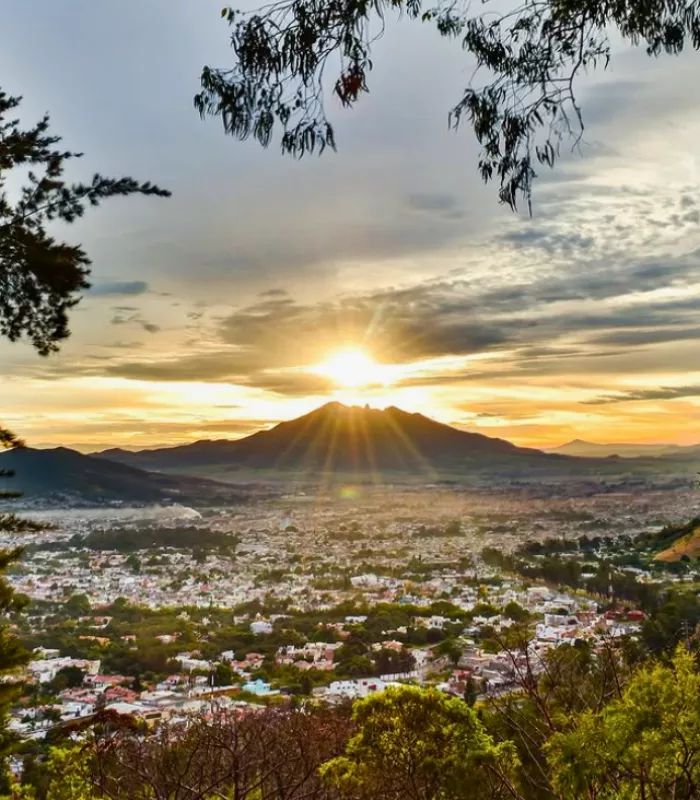
Tepic is the capital of Nayarit state and sits inland between Guadalajara and Mazatlán.
It rarely shows up on expat lists, and there is a reason for that. Almost no foreign retiree community exists here.
That means English-speaking services, international grocery items, and expat social networks are basically nonexistent.
The city has limited cultural attractions compared to other Mexican cities of its size. Traffic and pollution are ongoing problems.
If you need a strong support network when you first arrive in Mexico, Tepic will leave you feeling isolated quickly.
Finding a bilingual doctor or dentist is genuinely difficult. Most signage, services, and daily life operate entirely in Spanish.
The city does not have a well-developed tourism economy, so the kinds of conveniences expats rely on simply were never built here.
For retirees used to having options, Tepic can feel like a step backward rather than a fresh start.
Why It’s On This List: With almost zero expat infrastructure and little to offer retirees in terms of community, activities, or English-language support, Tepic is simply not built for foreign retirees.
5. Cancun, Quintana Roo

Cancun sounds like paradise. And the Hotel Zone beach is genuinely beautiful.
But here’s the deal: living in Cancun as a retiree is very different from vacationing there.
The city is loud, traffic-heavy, and built around mass tourism. Cost of living in the tourist zones can rival U.S. prices.
Downtown Cancun, away from the resorts, has few of the colonial charms that draw retirees to cities like Merida or San Miguel.
Timeshare salespeople are relentless. The spring break crowd never really leaves.
Hurricane season hits this part of Mexico hard. The Yucatan Peninsula sees direct storm impacts more than almost any other region in the country.
Public hospitals in Cancun are overwhelmed and underfunded. Private care is available but priced for tourists, not long-term residents on a fixed income.
The rental market has become extremely competitive, with digital nomads and short-term tourists driving prices well beyond what retirees should reasonably pay.
Why It’s On This List: Cancun is a great vacation spot, but a poor fit for long-term retirement. High costs, a tourism-first atmosphere, and a lack of authentic Mexican culture make it a frustrating place to actually live.
6. Ciudad Juarez, Chihuahua
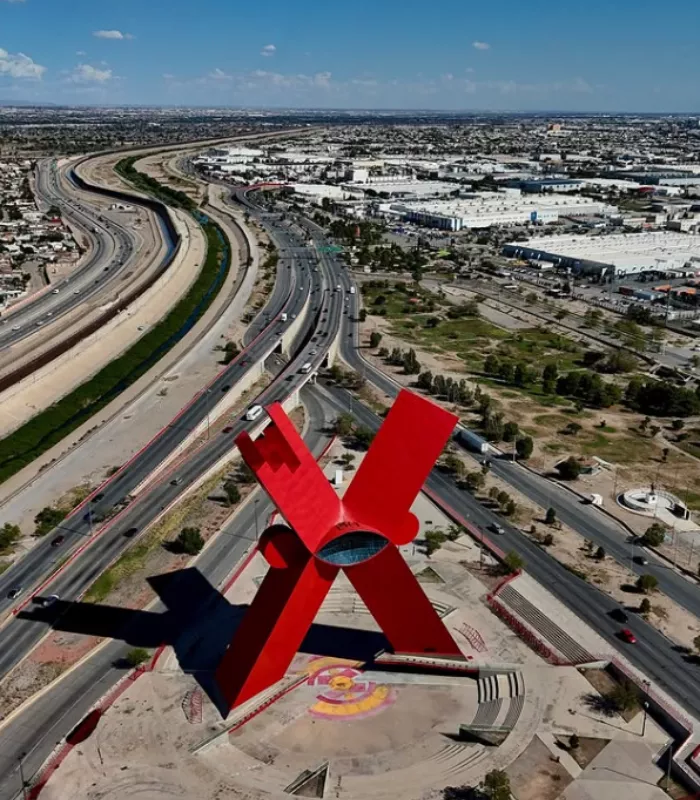
Ciudad Juarez sits right on the U.S.-Mexico border, across from El Paso, Texas.
It is one of the most industrialized border cities in North America. The maquiladora factory economy dominates everything here.
The U.S. State Department has issued Level 3 travel advisories for the region, urging Americans to reconsider travel there.
The city has made real progress on safety in recent years. But crime and cartel activity remain serious concerns.
There is a very small expat retirement community, and the harsh desert climate adds to the daily challenges.
Summer temperatures can exceed 105 degrees, and winters are surprisingly cold. The climate offers very little of the warm comfort retirees typically seek in Mexico.
Air quality is a concern, with industrial pollution and desert dust affecting residents throughout the year.
The city was not designed around the quality of life for retirees. It was built around manufacturing, logistics, and border commerce.
Why It’s On This List: Active U.S. travel advisories, an industrial rather than cultural atmosphere, and ongoing security concerns make Ciudad Juarez one of the least suitable places in Mexico for retirees.
7. Tijuana, Baja California
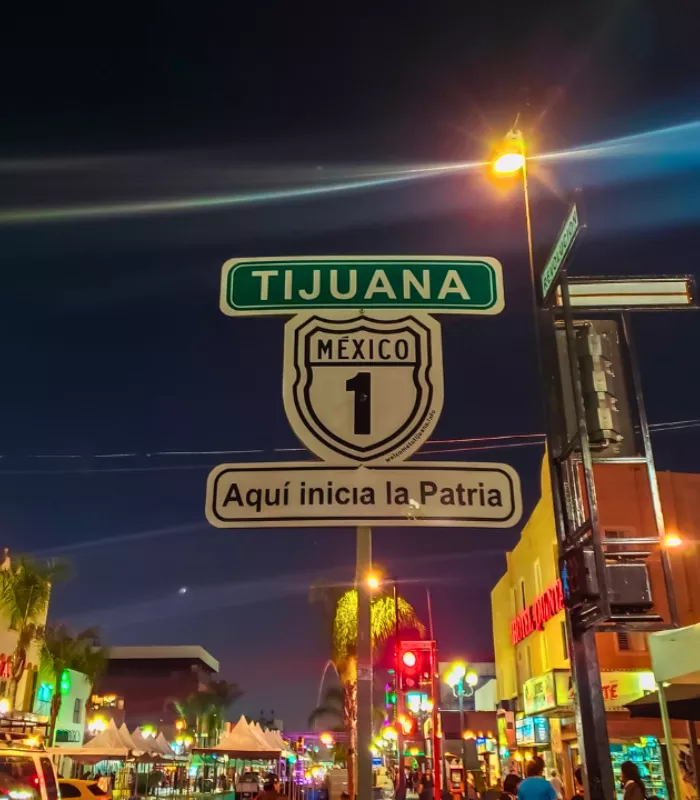
Tijuana is one of the busiest border crossings in the world, with over 50 million crossings per year.
Some expats do live here successfully, especially those working in San Diego and living on the cheaper Mexican side.
But for retirees over 50, the constant urban chaos, aggressive street vendors, and elevated crime rates in certain neighborhoods make daily life stressful.
The city lacks the relaxed pace and natural beauty that most retirees are looking for in Mexico.
You’re better off heading south to Ensenada if Baja California is calling your name.
Traffic congestion near the border can add hours to simple errands. Many residents spend significant parts of their day just waiting in lines.
The noise level in central Tijuana is relentless. It is a city that genuinely never slows down, which is exactly what many retirees are trying to escape.
Affordable neighborhoods with good safety records do exist, but finding and vetting them without local knowledge is a serious challenge for new arrivals.
Why It’s On This List: Tijuana’s border-city energy, crime challenges, and lack of a meaningful retiree lifestyle make it a poor long-term fit for most Americans or Canadians seeking peace and comfort in Mexico.
8. Ixtapa, Guerrero
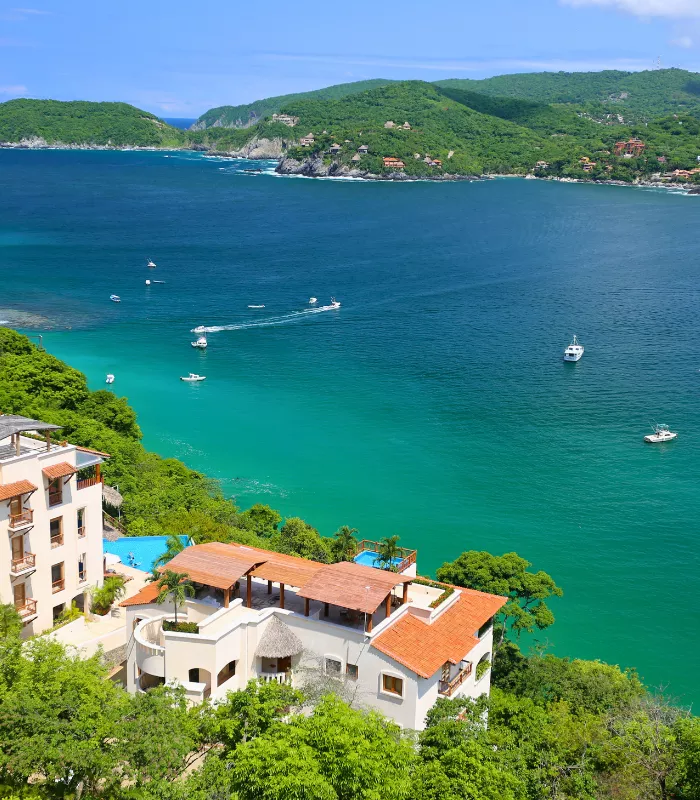
Ixtapa was built from scratch in the 1970s as a planned resort. It never fully came alive the way planners hoped.
It sits in Guerrero state, which carries the same serious security concerns as nearby Acapulco.
The town is quiet in the off-season to the point of feeling abandoned. Many businesses close for months at a time.
Medical facilities are limited. The expat community is very small and scattered.
For a planned resort, it offers surprisingly little in terms of lifestyle, culture, or community for long-term residents.
The beaches are nice, but there is very little else to do once you have seen them. Boredom sets in fast for active retirees.
Getting in and out of Ixtapa requires flying through Zihuatanejo airport, which has limited connections and frequent cancellations.
Long-term rentals are scarce because most properties are geared toward weekly vacation tourists rather than full-time residents.
Why It’s On This List: State-level security advisories, a ghost-town feel in low season, and weak expat infrastructure place Ixtapa firmly on the list of towns to avoid when choosing where to retire in Mexico.
9. Playa del Carmen, Quintana Roo

Playa del Carmen is one of the fastest-growing cities in Mexico. Its population has exploded over the past 20 years.
That growth has come with real problems. Rent and property prices have surged by 30 to 50 percent in some areas since 2020, driven by a flood of remote workers and tourists.
The famous Fifth Avenue is packed with tourists, loud bars, and aggressive vendors day and night.
Traffic has become a major issue. Public infrastructure has not kept pace with the population boom.
Many long-time expats say Playa del Carmen lost its charm years ago. They have quietly moved on to quieter towns.
Sargassum seaweed has become a serious seasonal problem along this stretch of coastline, covering beaches with thick, foul-smelling mats for months at a time.
Water and electricity outages are more common than the tourism brochures suggest, especially during the rainy season from June through October.
The constant turnover of tourists and short-term renters makes it very hard to build the kind of stable, lasting friendships that matter most in retirement.
Why It’s On This List: Rapidly rising costs, overcrowding, and a party-heavy atmosphere have made Playa del Carmen a tough sell for retirees looking for peace, value, and a genuine sense of community.
10. Los Cabos, Baja California Sur

Los Cabos includes Cabo San Lucas and San Jose del Cabo. Both are world-famous.
But fame comes with a price tag. Los Cabos consistently ranks as one of the most expensive places to live in all of Mexico, with costs approaching U.S. levels in many areas.
Cabo San Lucas, in particular, is built around nightlife, spring breakers, and luxury tourism. It is not designed for quiet retirement living.
Water is scarce in this desert region. Hurricanes are a real seasonal risk.
I made a classic mistake, thinking resort prices were just tourist markups. They are not. That is just what life costs in Cabo.
Fresh produce and everyday groceries cost significantly more here than in mainland Mexico, because almost everything has to be trucked or flown in.
The nearest major medical center with full specialist care is in La Paz, roughly 90 miles away. That distance matters when health is a priority.
Many retirees who moved to Los Cabos for the lifestyle eventually left because their savings depleted far faster than they had planned.
Why It’s On This List: With some of the highest living costs in Mexico, a tourism-driven economy, limited local healthcare, and serious water scarcity, Los Cabos is a better vacation destination than a retirement home.
11. Rosarito, Baja California
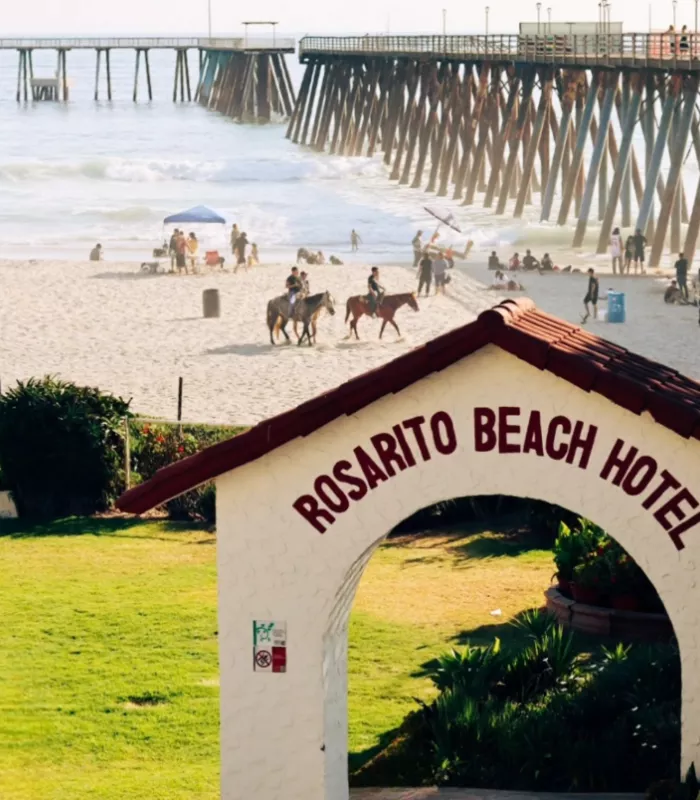
Rosarito sits just 20 miles south of the San Diego-Tijuana border and attracts a lot of weekend visitors from Southern California.
It has a small but real expat community. Some retirees do make it work here.
But the town has a persistent crime problem tied to its location along key smuggling routes. The U.S. Consulate has issued specific safety warnings for the Rosarito-Ensenada corridor.
Infrastructure is inconsistent. Water outages and power cuts are more common than in more established expat cities.
The appeal of being close to the U.S. border fades quickly when daily life feels uncertain.
Many expats who settled here report feeling like they are living in a permanent in-between, neither fully in Mexico nor close enough to the U.S. to feel secure.
The weekend party crowd from San Diego transforms the town every Friday and Saturday, making peaceful living difficult for anyone who values quiet evenings.
Long-term rental inventory is very limited, and property management standards vary wildly from one landlord to the next.
Why It’s On This List: Active consular safety warnings, unreliable utilities, and crime concerns rooted in border geography make Rosarito a risky choice compared to the many safer, more comfortable expat communities available elsewhere in Mexico.