

There is a well-known theory that happiness lives somewhere above 7,000 feet, next to a river, within walking distance of a good pie shop.
Colorado has been quietly proving this theory correct for over 150 years.
The state has more mountain towns per square mile than excuses to stay home.
Some were built on gold. Some on silver. A few were built entirely on fresh air and stubborn optimism.
What they all share is a kind of beauty that does not ask permission to impress you.
1. Breckenridge, Victorian Gold Rush Town With Year-Round Soul

Breckenridge sits at 9,600 feet above sea level in the heart of Summit County.
It was founded in 1859 during the Colorado Gold Rush and grew into one of the state’s most beloved Victorian towns.
The ski resort draws over 1.5 million visits a year. But it is just as magical in summer, with art festivals, hiking, and gold panning experiences that take you back in time.
Main Street is lined with colorful historic buildings, cozy restaurants, and boutique shops that make strolling around town just as enjoyable as anything on the mountain.
The town sits inside a wide alpine valley ringed by fourteeners, giving every view a natural grandeur that never gets old no matter how many times you look up.
Breckenridge has more than 300 days of sunshine a year, making it one of the brightest and most welcoming mountain destinations in the entire state.
| Why Visit | Classic four-season mountain town with a walkable historic Main Street, world-class skiing, and year-round outdoor adventures. |
|---|---|
| Don’t Miss | Gold panning experiences on French Gulch, summer art festivals on Main Street. |
2. Telluride, Box Canyon Town Where Festival Culture Lives Year-Round
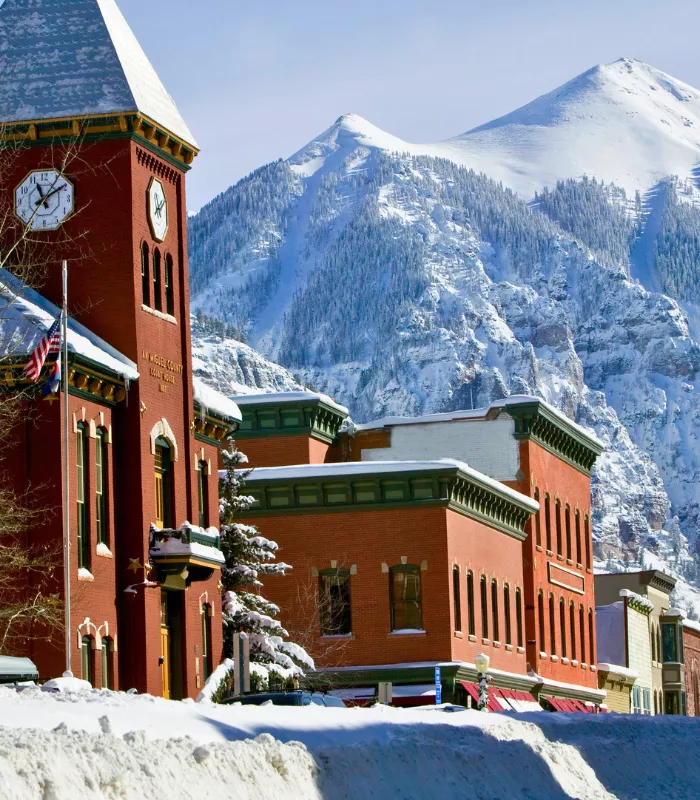
Tucked into a stunning box canyon in the San Juan Mountains, Telluride sits at 8,750 feet above sea level.
It started as a silver and gold mining camp in 1875 and has kept its small-town soul ever since.
That is why it draws festival lovers from all over the world. The town hosts over 15 major festivals a year, including its legendary film and bluegrass festivals.
A free gondola connects the historic downtown to Mountain Village, offering some of the most breathtaking aerial views you will find anywhere in the Rockies.
Bridal Veil Falls, the tallest free-falling waterfall in Colorado at 365 feet, sits just at the edge of town and is visible from the main street on a clear day.
The entire historic downtown is a National Historic Landmark District, meaning the Victorian storefronts and wide tree-lined streets have been carefully preserved for generations to enjoy.
| The Draw | Dramatic canyon scenery, a free gondola connecting the town to Mountain Village, and a vibrant arts scene that keeps things lively all year long. |
|---|---|
| Signature Event | Telluride Film Festival, held each September since 1974. |
3. Aspen, Silver Camp Turned Cultural Capital of the Rockies
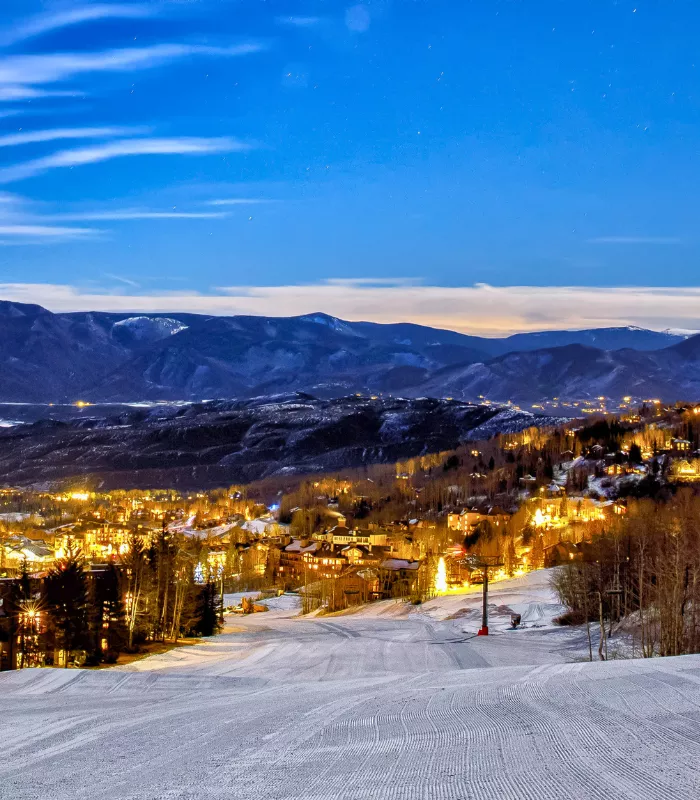
Aspen stands at 7,907 feet and is nestled in the White River National Forest along the Roaring Fork River.
Founded around 1878 as a silver mining camp, it was originally called Ute City before being renamed for its golden aspen trees.
It is home to four world-class ski mountains – Aspen Mountain, Aspen Highlands, Buttermilk, and Snowmass. The Aspen Center for Environmental Studies and the historic Wheeler Opera House give it a rich cultural layer beyond the slopes.
Every September, the surrounding hillsides erupt in brilliant gold as thousands of aspen trees change color, drawing visitors who come just to witness the spectacle.
The Aspen Music Festival, held every summer since 1949, draws world-class classical musicians and thousands of fans to outdoor concerts under the open Colorado sky.
The Roaring Fork River running through the valley is one of the most celebrated fly-fishing streams in the state, offering quiet mornings on the water that feel miles away from the bustle of the village.
| The Appeal | Luxury, culture, and nature in a setting that is hard to match – from summer music festivals to some of the best fall foliage in the Rockies. |
|---|---|
| Best Season | Late September for peak aspen color; winter for skiing four distinct mountains. |
4. Durango, Railroad Town With Two Million Acres at Its Back Door
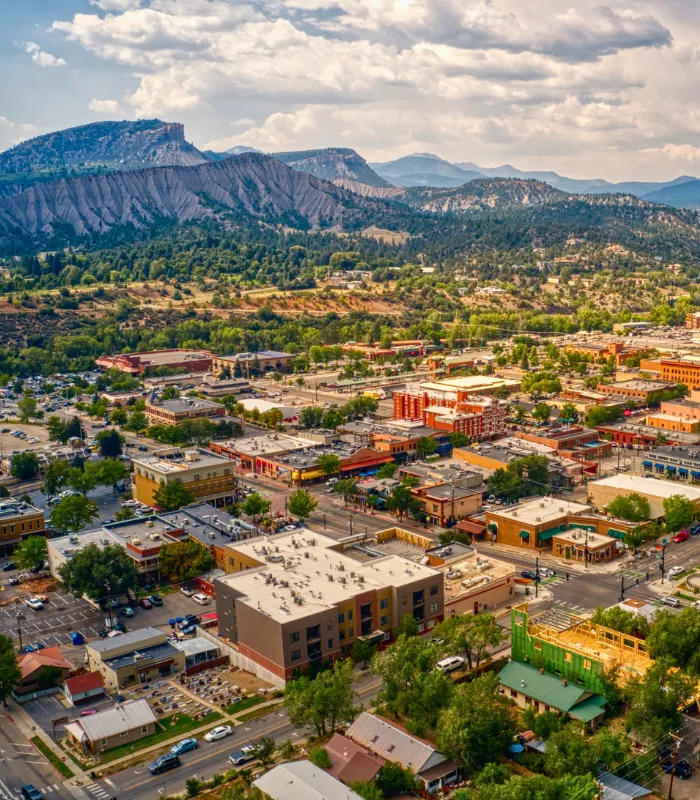
Durango was founded in 1880 by the Denver and Rio Grande Railroad and sits at 6,512 feet in the Animas River Valley.
It is surrounded by two million acres of the San Juan National Forest, making it a true mountain town in every sense.
The Durango and Silverton Narrow Gauge Railroad – a National Historic Landmark – is a must-ride. The coal-fired steam train has been running continuously since 1881.
Downtown Durango has a lively mix of breweries, galleries, and locally owned restaurants that make it easy to fill an entire week without ever running out of things to do.
The Animas River Trail runs right through the heart of town, giving walkers, joggers, and cyclists a scenic riverside path that connects parks, fishing spots, and riverside green spaces along the way.
Fort Lewis College sits on a mesa above the city, giving Durango a youthful energy and a calendar full of cultural events, lectures, and performances throughout the year.
| Top Draw | Lively downtown, manageable elevation for newcomers, and easy access to Mesa Verde National Park just 35 miles away. |
|---|---|
| Iconic Ride | Durango and Silverton Narrow Gauge Railroad – a coal-fired steam journey running since 1881. |
5. Estes Park, Front Range Gateway Where Elk Rule the Streets
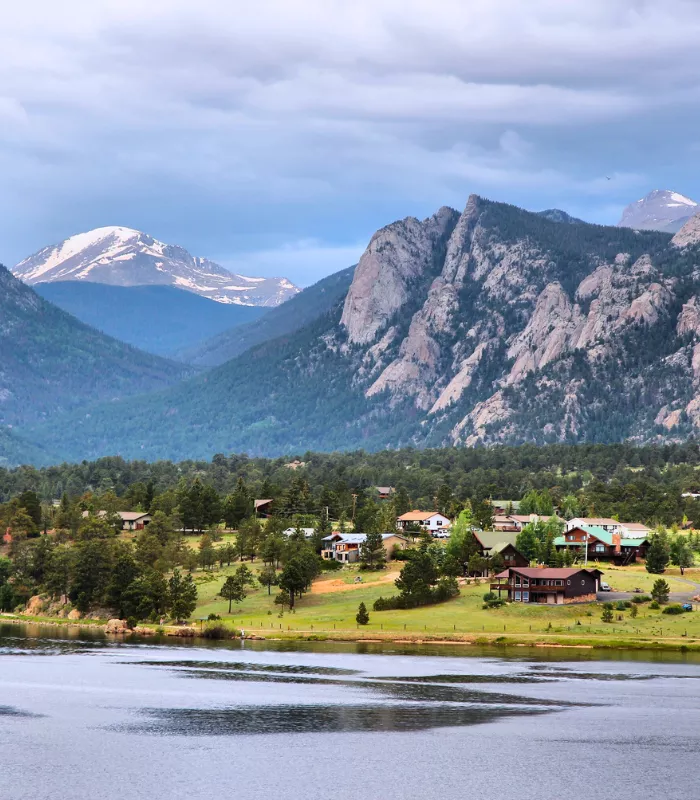
Estes Park sits at 7,522 feet on the Front Range of the Rocky Mountains and is the eastern gateway to Rocky Mountain National Park.
The town is named after Joel Estes, a rancher who settled the valley in the 1850s.
Rocky Mountain National Park sees over 4 million visitors a year. The famous Stanley Hotel – said to have inspired Stephen King’s novel “The Shining” – sits right in the heart of town.
Elk roam freely through the streets of Estes Park, especially in the fall during rutting season, turning every morning walk into an unexpected wildlife encounter.
Trail Ridge Road, which passes through Rocky Mountain National Park just outside of town, is the highest continuous paved road in the United States, reaching over 12,000 feet at its peak.
The town has a charming downtown filled with fudge shops, art galleries, and outfitters – the kind of main street that rewards a slow, unhurried afternoon of exploration.
| The Hook | One of America’s most visited national parks at your doorstep, with abundant wildlife viewing, charming shops, and a classic Colorado mountain feel. |
|---|---|
| Don’t Overlook | The Stanley Hotel offers tours year-round – a fascinating piece of both architectural and literary history. |
6. Ouray, Tight-Canyon Town the Rockies Kept Mostly to Themselves

Known as the “Switzerland of America,” Ouray is nestled in a tight valley of the San Juan Mountains at 7,760 feet above sea level.
Gold and silver mining put it on the map in 1876, and it still has the feel of a 19th-century boomtown frozen beautifully in time.
The town is famous for its natural hot springs pool – fed by geothermal springs – and a world-renowned outdoor ice climbing park that transforms the canyon walls every winter.
The Million Dollar Highway stretching south from Ouray is widely considered one of the most dramatic and scenic drives in the entire United States.
Box Canyon Falls, just a short walk from downtown, sends a powerful waterfall crashing through a narrow slot canyon in a display that is both thunderous and completely mesmerizing.
With a permanent population of just over 1,000 people, Ouray is one of Colorado’s most intimate mountain destinations – small enough to feel personal, beautiful enough to feel extraordinary.
| The Pull | Jaw-dropping mountain views, natural hot springs, and a peaceful small-town pace that invites slowing down and soaking it all in. |
|---|---|
| Signature Drive | The Million Dollar Highway south toward Silverton – widely regarded as one of America’s most dramatic road trips. |
7. Steamboat Springs, Champagne Powder Town With a Working Ranch Soul

Steamboat Springs sits at 6,728 feet in the wide-open Yampa Valley, where ranch land and rugged mountain peaks meet.
It earned its name from early explorers who thought the bubbling sound of natural mineral springs sounded like a steamboat engine chugging along.
The town has sent more athletes to the Winter Olympics than almost any other municipality in the U.S., earning it the well-deserved nickname “Ski Town, USA.”
Strawberry Park Natural Hot Springs, just a short drive from downtown, offers a beautiful soak under open skies surrounded by towering pines.
The Yampa River Core Trail winds through the heart of town, offering a scenic walking and biking path that connects parks, fishing spots, and riverside green spaces along the way.
The town averages over 300 inches of snowfall a year, and its unique “champagne powder” – an ultra-dry, light snow – is so distinctive that Steamboat has trademarked the term.
| What Sets It Apart | Genuine Western ranch town feel, natural hot springs, and legendary champagne powder snow – all without the pretension of larger resort towns. |
|---|---|
| Trademark Fact | Steamboat holds a registered trademark on the term “champagne powder” – the only ski town in the country to do so. |
8. Crested Butte, Wildflower Capital Where Mountain Biking Was Born
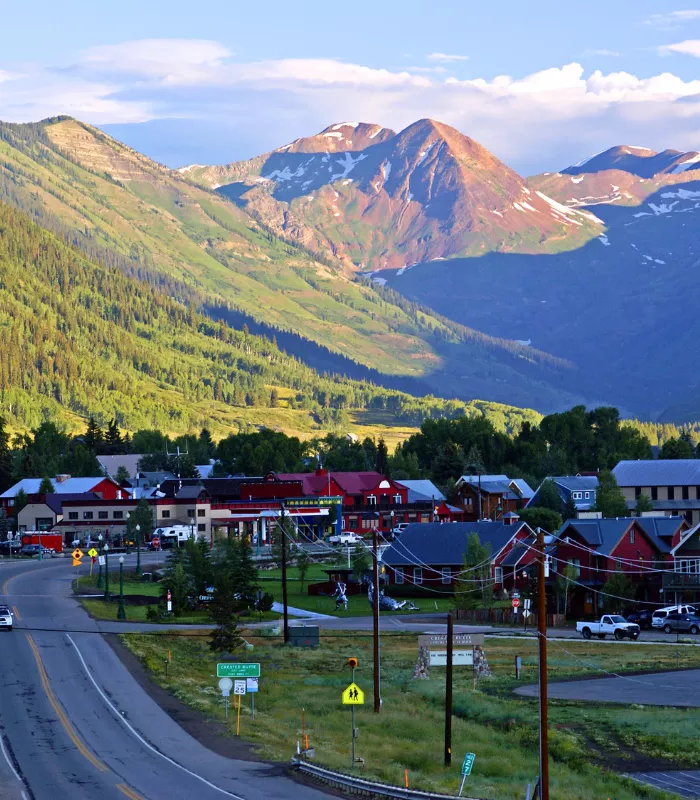
Crested Butte sits at 8,909 feet in the Elk Mountains and proudly holds the title of Wildflower Capital of Colorado.
It was once a coal mining town and later became a ski destination, but it has kept its off-the-beaten-path character and colorful Victorian downtown beautifully intact.
The town was among the first places in the country to embrace mountain biking in the 1970s, and it still has one of the most celebrated mountain bike communities in the entire Rocky Mountain region.
Every July, the hillsides around Crested Butte explode with wildflowers in every color imaginable, drawing photographers and nature lovers from across the country.
The Crested Butte Mountain Heritage Museum does a wonderful job of telling the town’s story – from coal mining days through the ski boom – in a way that is engaging and surprisingly moving.
Crested Butte has resisted the overdevelopment that has changed other Colorado mountain towns, keeping its personality intact and its community tightly knit in all the best ways.
| Why It Stands Out | Refreshingly unspoiled, with spectacular wildflower meadows, a close-knit community, and a slower pace of life that invites truly unwinding. |
|---|---|
| Peak Moment | The Crested Butte Wildflower Festival each July draws botanists, artists, and hikers for a week of guided walks and natural wonder. |
9. Salida, Arkansas River Town With the Most Artists Per Block in Colorado
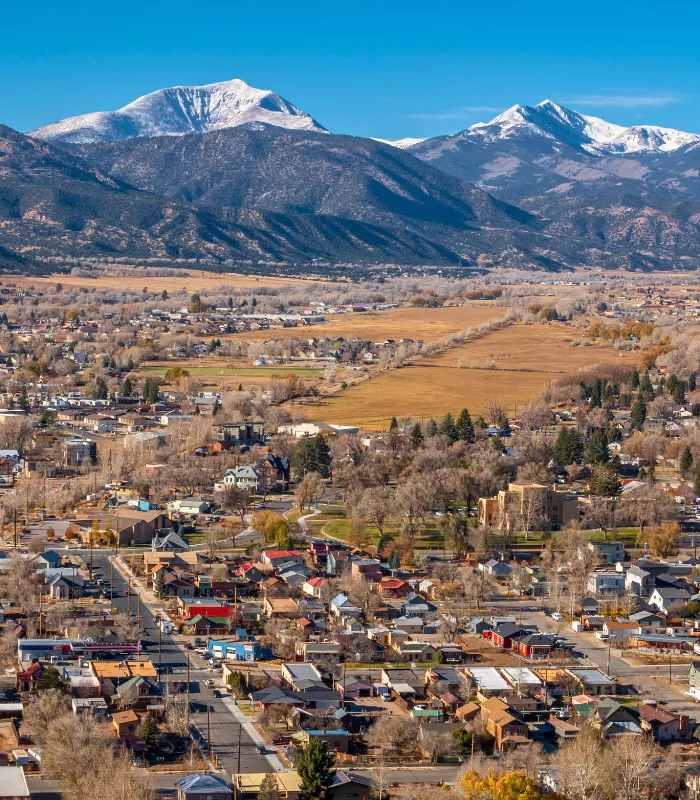
Salida is a welcoming historic town in central Colorado, sitting at 7,083 feet and surrounded by 12 towering mountain peaks.
The Arkansas River runs right through town, drawing white-water rafting fans from across the country. Salida also has one of the highest concentrations of working artists per capita of any town in Colorado.
The historic downtown district is filled with galleries, cafes, and independent shops that give the town a creative, welcoming energy unlike anywhere else in the mountains.
Monarch Mountain ski area is just 18 miles from downtown, offering uncrowded slopes and a relaxed atmosphere that is a refreshing alternative to the busier resort towns nearby.
The Salida Hot Springs Aquatic Center – the largest indoor hot springs pool in Colorado – gives visitors a year-round way to soak away the miles and enjoy the town’s geothermal gifts.
| The Appeal | Welcoming and full of life – with a booming arts scene, stunning river scenery, and a price point far gentler than most Colorado mountain towns. |
|---|---|
| Local Gem | The Salida Hot Springs Aquatic Center is the largest indoor hot springs pool in Colorado – open year-round. |
10. Leadville, America’s Highest City With a Silver Boom Still Written on Its Streets
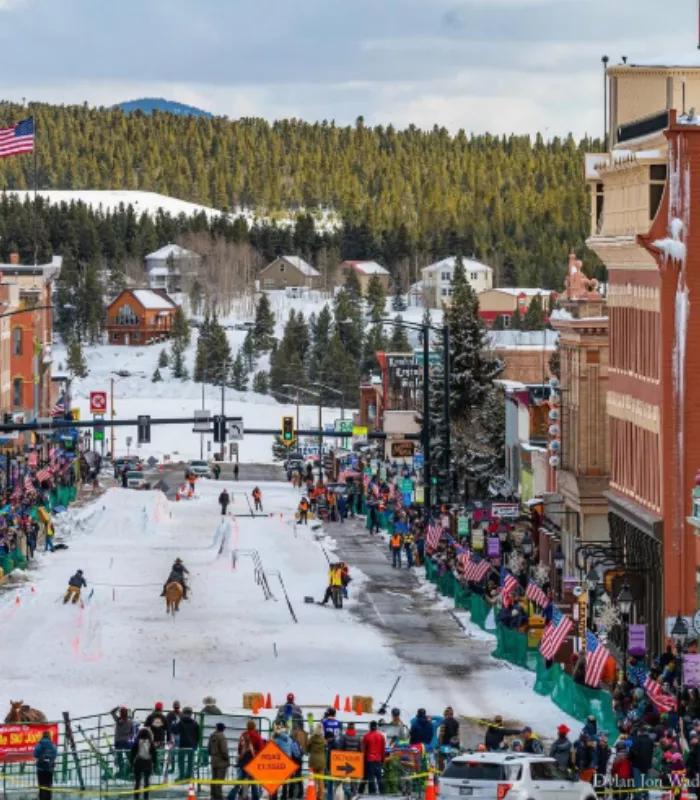
Leadville is the highest incorporated city in the United States, perched at a breathtaking 10,152 feet above sea level in Lake County.
It boomed in the 1880s as a silver mining hub and was once the second-largest city in Colorado, with over 40,000 residents at its peak.
Historic Harrison Avenue is lined with well-preserved 19th-century buildings, and the National Mining Hall of Fame and Museum is right in town. Stunning Twin Lakes and the drive toward Aspen and the Maroon Bells are nearby.
On a clear day, the views of Mount Elbert – the highest peak in the Rocky Mountains – rising above the town are the kind that stop you mid-sentence.
The Leadville Colorado and Southern Railroad offers a scenic train excursion through the mountains that is one of the most popular and memorable activities in the entire region.
Turquoise Lake, just a few miles west of town, is one of Colorado’s most beautiful high-altitude lakes, surrounded by pine forests and framed by dramatic mountain peaks on every side.
| Historic Weight | One of the most historically rich towns in Colorado, with an authentic frontier spirit, incredible high-altitude scenery, and a story that few mountain towns can match. |
|---|---|
| Elevation Note | At 10,152 feet, Leadville is the highest incorporated city in the United States – a title it has held since the mining boom of the 1880s. |
11. Silverton, Perfectly Preserved 1880s Mining Town at the End of the Line
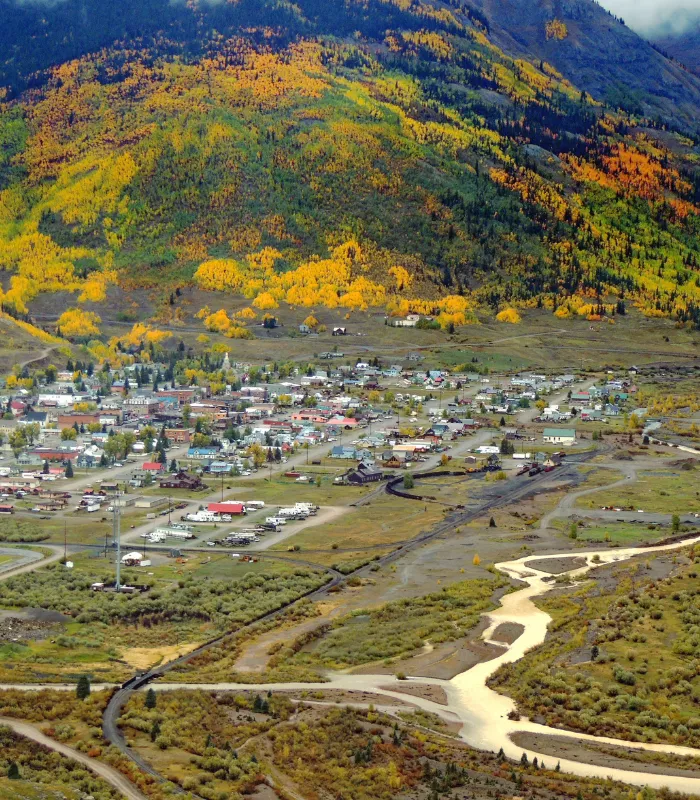
Silverton sits at 9,318 feet in the heart of the San Juan Mountains – one of the highest towns in the entire United States.
Founded in 1874, the town boomed as a gold and silver mining hub. It was designated a National Historic Landmark in 1961, and most of its original Victorian-era buildings still stand today.
The entire downtown district looks just like it did in the 1880s. You are better off leaving extra time here – it is the kind of place where you lose track of the hours wandering its quiet, historic streets.
Blair Street, once lined with saloons and gambling halls during the silver boom, still carries the mood of a town that lived fast and left a beautiful story behind.
The surrounding San Juan Mountains offer some of the most rugged and awe-inspiring scenery in Colorado, with jagged peaks, alpine lakes, and sweeping meadows visible in every direction.
Despite its remote location, Silverton has a surprisingly warm and engaged community, with local festivals, art events, and a genuine pride in sharing their extraordinary corner of Colorado with visitors.
| Why It Belongs | One of the most authentically preserved mining towns in America, sitting inside some of Colorado’s most jaw-dropping mountain scenery – arriving at the end of the iconic Durango and Silverton Narrow Gauge Railroad. |
|---|---|
| Street to Walk | Blair Street – once the rowdiest block in the San Juans, now a quiet window into Colorado’s silver boom era. |
12. Vail, Purpose-Built Alpine Village With the Rockies’ Largest Ski Terrain

Vail sits at 8,150 feet and is home to one of the largest ski resorts in the United States, with over 5,300 acres of skiable terrain spread across three mountain faces.
Unlike many historic Colorado towns, Vail was purpose-built as a ski resort, officially opening in 1962. Its village was modeled after the charming alpine towns of Europe.
The famous Back Bowls alone cover over 2,700 acres – more than most entire ski resorts. That is why skiers and snowboarders keep coming back year after year from all over the world.
In summer, Vail transforms into a mountain biking and hiking destination, with gondola-accessed trails and a lively village full of outdoor dining and live music.
The Betty Ford Alpine Gardens in the heart of Vail Village are the highest botanical gardens in North America, offering a peaceful and beautiful walk through thousands of alpine plants and flowers.
Vail’s pedestrian-only village means no cars, no traffic noise, and no interruptions – just cobblestone walkways, mountain views, and the gentle sound of Gore Creek running through the center of town.
| The Experience | Polished European village atmosphere, world-class skiing, fine dining, and a pedestrian-friendly town center that is wonderful to explore even without putting on ski boots. |
|---|---|
| Hidden Highlight | Betty Ford Alpine Gardens – the highest botanical gardens in North America, free to visit year-round. |
13. Glenwood Springs, Canyon Town Where Two Rivers Meet and History Runs Deep

Glenwood Springs rests at 5,761 feet, where the Roaring Fork and Colorado Rivers meet inside a dramatic river canyon – making it one of the most accessible mountain towns in the state.
The Ute people used the area’s natural hot springs for centuries before the town was formally established. In 1888, the world’s largest hot springs pool opened here, fed by the Yampah Spring, which still produces 3.5 million gallons of mineral-rich water every single day.
Doc Holliday – yes, the famous gunslinger from the Old West – spent his final years in Glenwood Springs and is buried on a hill overlooking the town.
Glenwood Canyon, one of the most spectacular highway corridors in America, runs right through town and offers hiking, cycling, and some of the most dramatic river scenery in the Rockies.
Glenwood Caverns Adventure Park, perched on a cliffside above the city, offers cave tours, thrill rides, and panoramic views that make it one of the most distinctive attractions in Colorado.
Glenwood Springs is served by Amtrak’s California Zephyr route, meaning visitors can arrive by train through some of the most breathtaking rail scenery in North America – no car required.
| Why It Works | Lower elevation entry point into Colorado mountain life, a legendary hot springs pool, stunning canyon scenery, and easy Amtrak train access from across the country. |
|---|---|
| Rail Access | The California Zephyr stops here – one of the most scenic train routes in North America, connecting Chicago to San Francisco. |
14. Buena Vista, Collegiate Peaks Town Where the River Does the Heavy Lifting
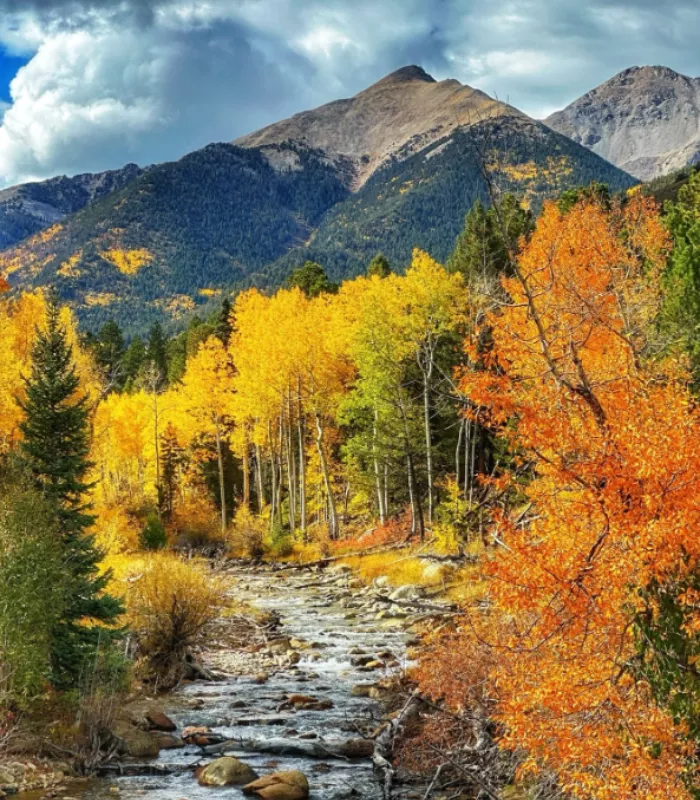
Buena Vista – locals call it “BV” – sits at 7,960 feet along the Arkansas River, surrounded by 14 peaks that rise above 14,000 feet, known as the Collegiate Peaks.
The town was officially platted in 1879 when the Denver, South Park and Pacific Railroad arrived. Today it has become one of Colorado’s most popular adventure towns, drawing rafters, kayakers, hikers, and hot spring lovers.
I made a classic mistake the first time I heard about Buena Vista – I assumed it was just a pass-through town. It is far from it. The Arkansas River here is one of the top white-water rafting destinations in the country.
Several natural hot spring pools sit within easy driving distance, making it possible to spend a wild morning on the river and a peaceful evening soaking under the stars.
The view of the Collegiate Peaks from the center of town is one of the most dramatic mountain panoramas in Colorado, with six peaks above 14,000 feet visible all at once on a clear day.
Buena Vista consistently ranks among the most affordable mountain towns in Colorado, making it an especially appealing destination for those who want the full Rocky Mountain experience without the resort town price tag.
| The Case for BV | Stunning Collegiate Peaks views, a charming small downtown, easy access to hot springs, and one of the most spectacular mountain river valleys in Colorado – all at a refreshingly accessible price. |
|---|---|
| River Stats | The Arkansas River through BV runs class III-V rapids, making it one of the most-rafted stretches of river in the entire country. |
15. Silverthorne, Summit County Crossroads With Gold Medal Water Running Through It

Silverthorne sits at 8,790 feet in Summit County and takes its name from Judge Marshall Silverthorn, a gold-seeking prospector who settled the area in the 1850s and 1880s.
Centrally located at the crossroads of I-70, Highway 9, and Highway 6, it gives visitors easy access to four major ski resorts – Breckenridge, Keystone, Copper Mountain, and Arapahoe Basin – all within 30 minutes.
The town is also known for its Factory Stores at Silverthorne, one of the highest-elevation outlet shopping destinations in the U.S. And the Blue River flowing through town is one of Colorado’s best Gold Medal fly-fishing streams.
The newly developed Silverthorne Performing Arts Center has added a fresh cultural dimension to the town, bringing live theater, concerts, and community events to the heart of the mountains.
Dillon Reservoir, just minutes from town, is one of the largest high-altitude lakes in Colorado, offering sailing, kayaking, paddleboarding, and some of the most scenic waterfront walks in the state.
The Blue River Bikeway connects Silverthorne to Breckenridge along a paved trail that winds through the valley floor, making it one of the most enjoyable and accessible cycling routes in Summit County.
| Base Camp Value | The ultimate base for Summit County adventures – with unbeatable mountain access, great shopping, world-class fishing, and a welcoming small-town feel that makes it easy to settle right in. |
|---|---|
| Fishing Note | The Blue River through Silverthorne is designated Gold Medal water by Colorado Parks and Wildlife – some of the most productive fly-fishing in the state. |